Free shipping to the US, Canada & Europe
Pets
Dirty bird toys harbour bacteria and mould that a healthy bird cannot outrun.
August 31, 2023 5 min read
Pick up a rope toy that has been in a parrot’s cage for three weeks and smell it. That is the smell of accumulated droppings, saliva, and food residue working in a warm, humid space. The bird is handling that every hour of its waking life.
The cleaning principle is simple: remove organic matter first, then disinfect, then dry completely. The complication is that birds have a respiratory system unlike any mammal’s. Air passes through a bird’s lungs in one direction only, through a set of air sacs that extract oxygen on both the inhale and the exhale. This is why birds can live at altitude and fly for hours without rest. It is also why scented cleaning products, aerosol sprays, and even essential oils - things marketed as “natural” - can kill a caged bird in an afternoon. A lavender spray that leaves your own lungs fine will finish a parrot. The natural framing is irrelevant. The mechanism is what matters.
Two options cover almost every situation:
White vinegar, diluted 1:1 with water - safe, effective against most bacteria and mould spores, no respiratory risk, widely available. The smell dissipates completely once dry. This handles routine weekly cleaning for acrylic, stainless steel, hardwood, and leather toys.
Hot water and unscented dish soap - for stubborn food residue before disinfecting. The key word is unscented. Fragrance-free, rinse thoroughly, and assume any lingering soap residue is a hazard.
Hydrogen peroxide at 3 per cent concentration works on non-porous toys and handles mould better than vinegar. Use it undiluted on plastic and stainless steel, rinse well, and let the toy dry fully in open air before it goes back in the cage.
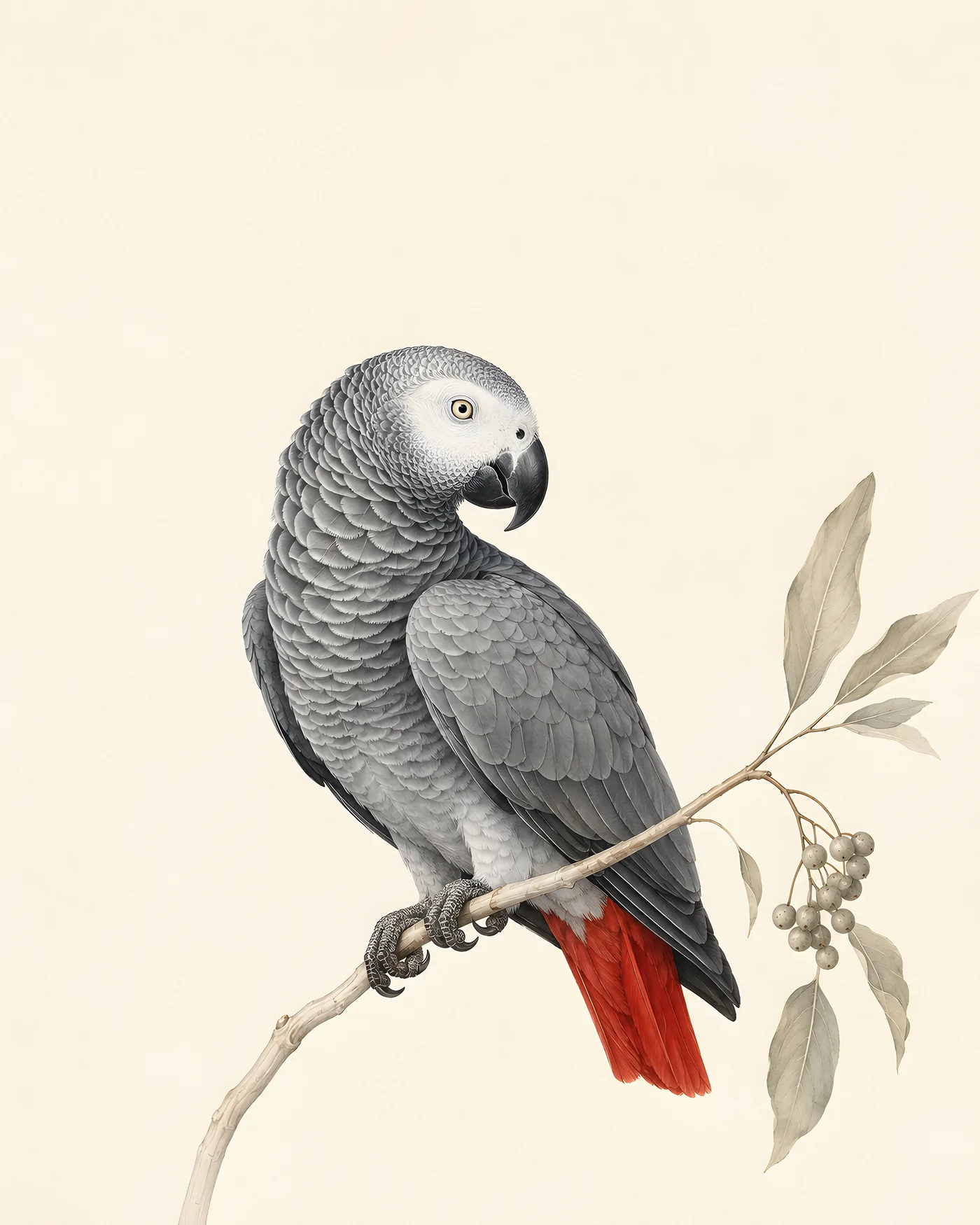
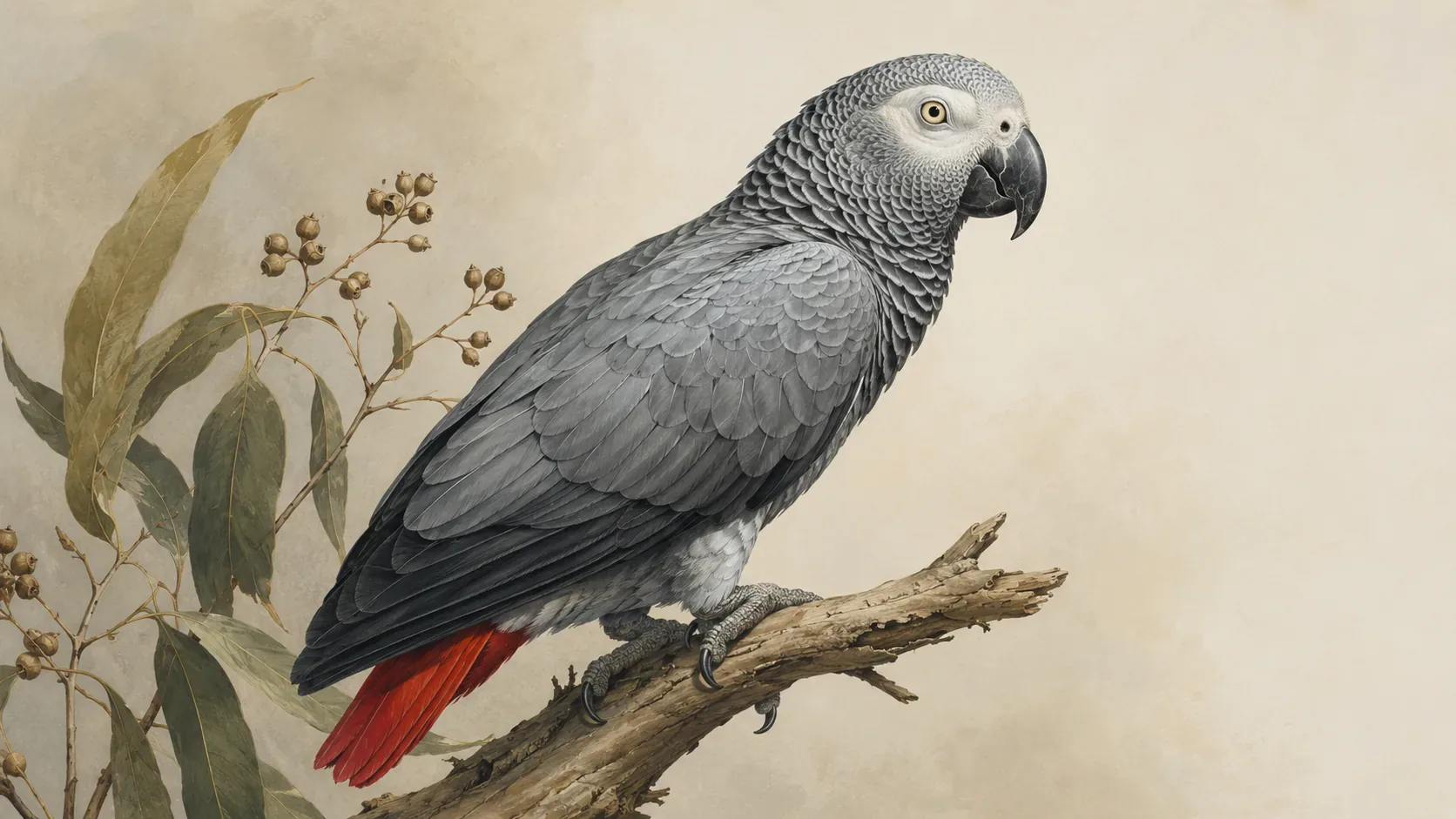
Dilute bleach - one part bleach to 10 parts water - can be used on stainless steel and acrylic only, with thorough rinsing and full drying. Never on wood, rope, or leather. The bleach soaks into porous materials and cannot be fully rinsed out. An African grey parrot chewing a wooden toy that was bleach-soaked two weeks ago and dried once is still being exposed.
The cleaning rule for bird toys is simple: no scents, no aerosols, no essential oils, no Teflon-coated anything nearby while you clean. The bird does not need the toy to smell clean. It needs the toy to be clean.
One link in this guide goes to Amazon. It points to gear we would actually put in front of a bird, and we earn a small commission if you buy through it.
| Material | Method | Soak? | Drying |
|---|---|---|---|
| Stainless steel | Hot soapy water or vinegar solution | 10-15 min | Air dry or towel dry |
| Acrylic and plastic | Hot soapy water or vinegar solution | 10-15 min | Air dry |
| Hardwood | Scrub with damp brush, vinegar spray | No - absorbs water | Air dry completely |
| Softwood (destructible toys) | Replace, do not clean | N/A | Designed to be destroyed |
| Cotton and sisal rope | Hot water rinse, no detergent | Brief rinse only | Bone dry - damp rope grows mould within hours |
| Leather | Wipe with damp cloth | No | Air dry away from heat |
Softwood toys - the ones your bird is supposed to shred - are not meant to be cleaned and returned to the cage. When they are down to frayed ends and splinters, replace them. Cleaning and re-hanging a destroyed toy is not thrift, it is a splinter hazard.
Some toys cannot be made safe again:
If the toy passed through a sick bird’s cage, discard it entirely. The economics of replacing a five-euro rope toy versus a vet visit are not complicated.
Once every one to two weeks for most toys. Weekly if your bird is a heavy chewer who leaves food debris everywhere. Immediately if you notice visible mould, a bad smell, or if the bird has been unwell.
Rotate two sets of toys if you can - one set in the cage, one clean and drying. The bird gets variety, the toys get a proper full dry between sessions.
If you are choosing new toys and are not sure which materials are worth the cleaning effort at different ages and chewing intensities, how to choose age-appropriate bird toys lays out which formats survive heavy beaks and which ones are meant to be destroyed on purpose. Parrot owners also ask what food their birds can safely have in the cage alongside toys - what parrots can eat covers the safe list and the dangerous one.
From field guide to wall
See the birds from this guide as fine-art plates, printed to order and available framed or unframed.
Explore the collectionAs an Amazon Associate we earn from qualifying purchases. Linked products are ones we genuinely recommend.
 August 31, 2023
 5 min read