Free shipping to the US, Canada & Europe
Pets
Parrots scream because they are birds, not because they are misbehaving. Understanding why changes everything about how you respond.
August 19, 2024 5 min read
At seven in the morning your African Grey lets out a call that rattles the kitchen window. You rush in. He stops. You leave. He starts again.
This is a contact call, and it is as natural to him as breathing. The mistake most owners make is treating it as defiance. The screaming is not a behaviour problem. It is a communication system that long predates the apartment you share, and it runs on different logic than you expect.
Wild parrots live in flocks. A bird separated from its flock does not go quiet. It calls louder. If no answer comes, it calls again. The call says: I am here. Where are you?
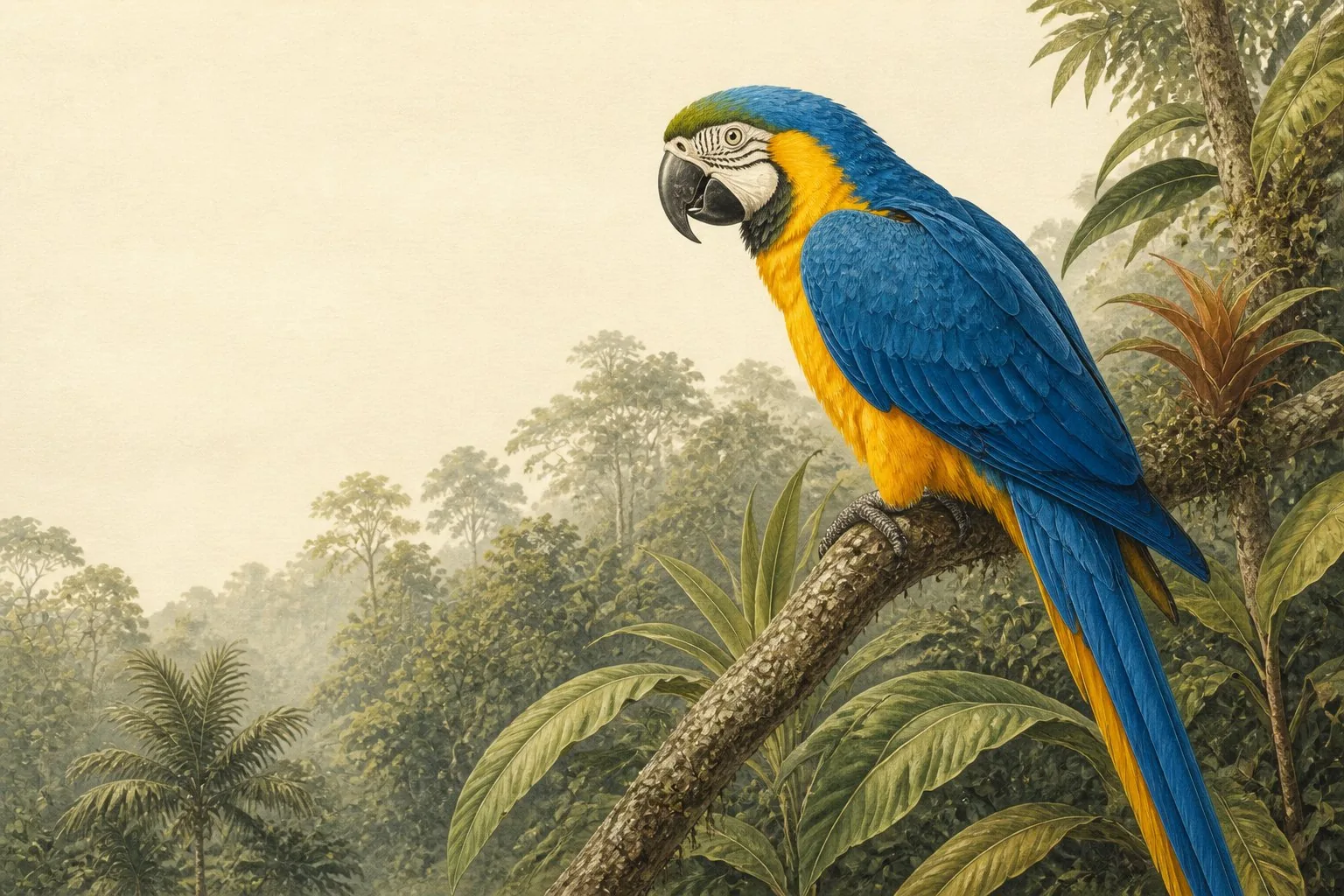
At dawn and dusk, the whole flock calls together. This is a contact call, a check-in that functions like roll call: every bird confirms it survived the night, every bird locates every other bird, and the group moves on. Your house parrot - whether a small budgie or a large macaw - runs the same programme. You are his flock. When you leave the room in the morning, he is not being dramatic. He is doing the only thing evolution gave him to do when his flock disappears.
This matters because it changes the question. The question is not “how do I stop this” but “how do I reassure this bird that the flock is intact.”
If you want to understand the full range of species that keep this instinct, the parrot types guide covers the most common pet parrots and how their vocal intensity varies by genus - Amazons and macaws sit at one end of that spectrum, cockatiels considerably lower.
Left alone, the contact call fades after 10-20 minutes at dawn and again at dusk. Most owners do not leave it alone.
They come running. They cover the cage. They shout. Each of these responses teaches the bird that screaming produces something: a face, a reaction, movement, noise. The bird files this away. A bird that has learned that screaming ends isolation will scream harder when isolation returns. This is not stubbornness. It is learning, and it is fast and stubborn in the way that survival-relevant learning tends to be.
Boredom accelerates it. A parrot spending eight hours alone in a cage with nothing to shred, forage, or solve will reach for the only tool that has ever gotten a result. More screaming.
Screaming is the bird’s only lever. The owner who responds to it has handed the bird a lever that never breaks. The owner who never responds to it has taken nothing away - the bird still has the call. But the lever stops working, and so it stops getting pulled.
The fixes follow directly from the causes. They require consistency across everyone in the household - one person who breaks ranks is enough to reset the training.
None of this is fast. A bird that has spent two years learning that screaming works needs weeks of consistent non-response before the pattern changes. A newly adopted bird from a chaotic environment may take months. The behaviour consultants at the World Parrot Trust describe this as ‘unlearning a superstition’ - the bird does not know why screaming once worked, only that it did, and it keeps trying.
Sudden screaming in a bird that has been quiet is different. This warrants a vet call, not a behaviour intervention.
Watch for screaming that arrives with other signs: feather plucking, changes in droppings, balance problems, or a bird sitting low on a perch with fluffed feathers. Any combination of those is a sick bird, not a demanding one. Pain vocalisation in parrots often looks identical to attention-seeking from the outside. If the onset was sudden and out of character, rule out illness first.
Hormonal screaming - heavier in spring, tied to longer days and changes in behaviour - is different again. It passes. The same techniques apply, but with the understanding that the bird is also managing something hormonal and the baseline will return.
Punishing a parrot for screaming is the worst option available. Covering the cage in anger, shouting, spraying water - these create a frightened bird, and a frightened bird screams more and trusts less. The relationship between owner and parrot is built almost entirely on trust, and trust in a parrot is slow to build and fast to lose.
The screaming parrot is not a broken parrot. It is a social animal in a situation its neurology was not built for - solitary confinement in a species that evolved for noise and company. That is worth understanding before you reach for the cage cover.
For context on how different species handle captivity and social needs, it is worth reading about what it takes to keep more unusual birds as pets - the welfare calculus for highly social birds runs deeper than most people assume before they bring one home.
From field guide to wall
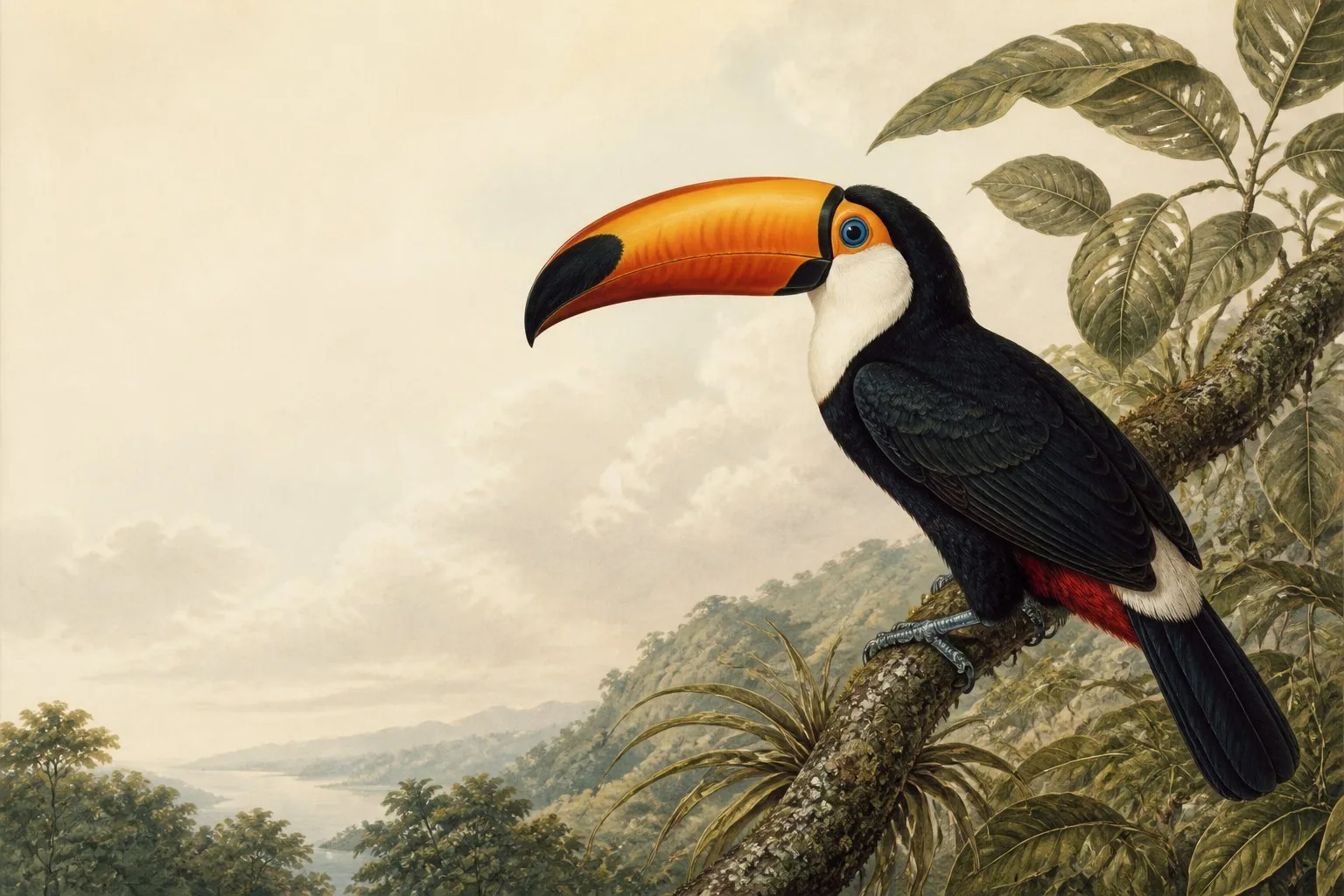
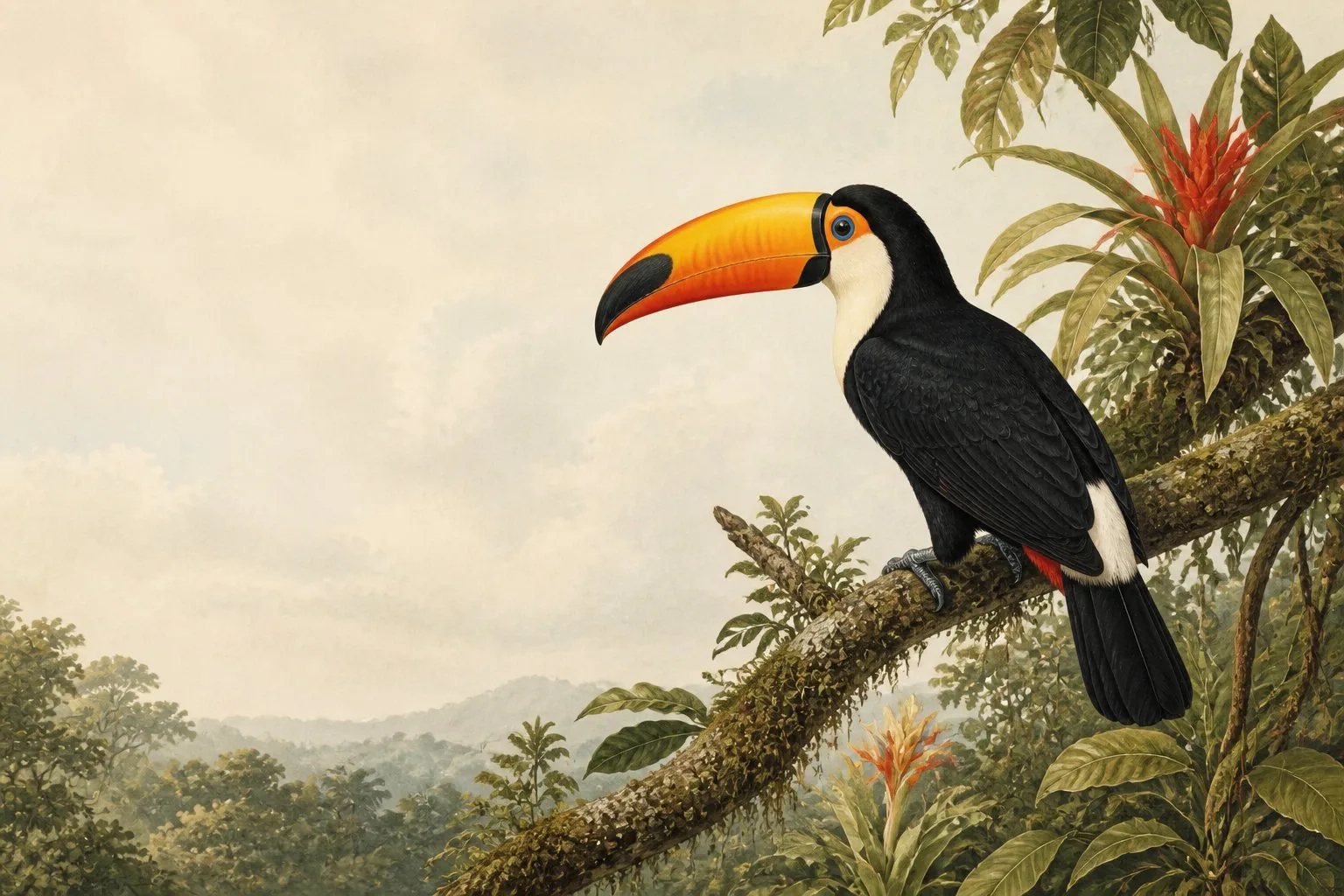
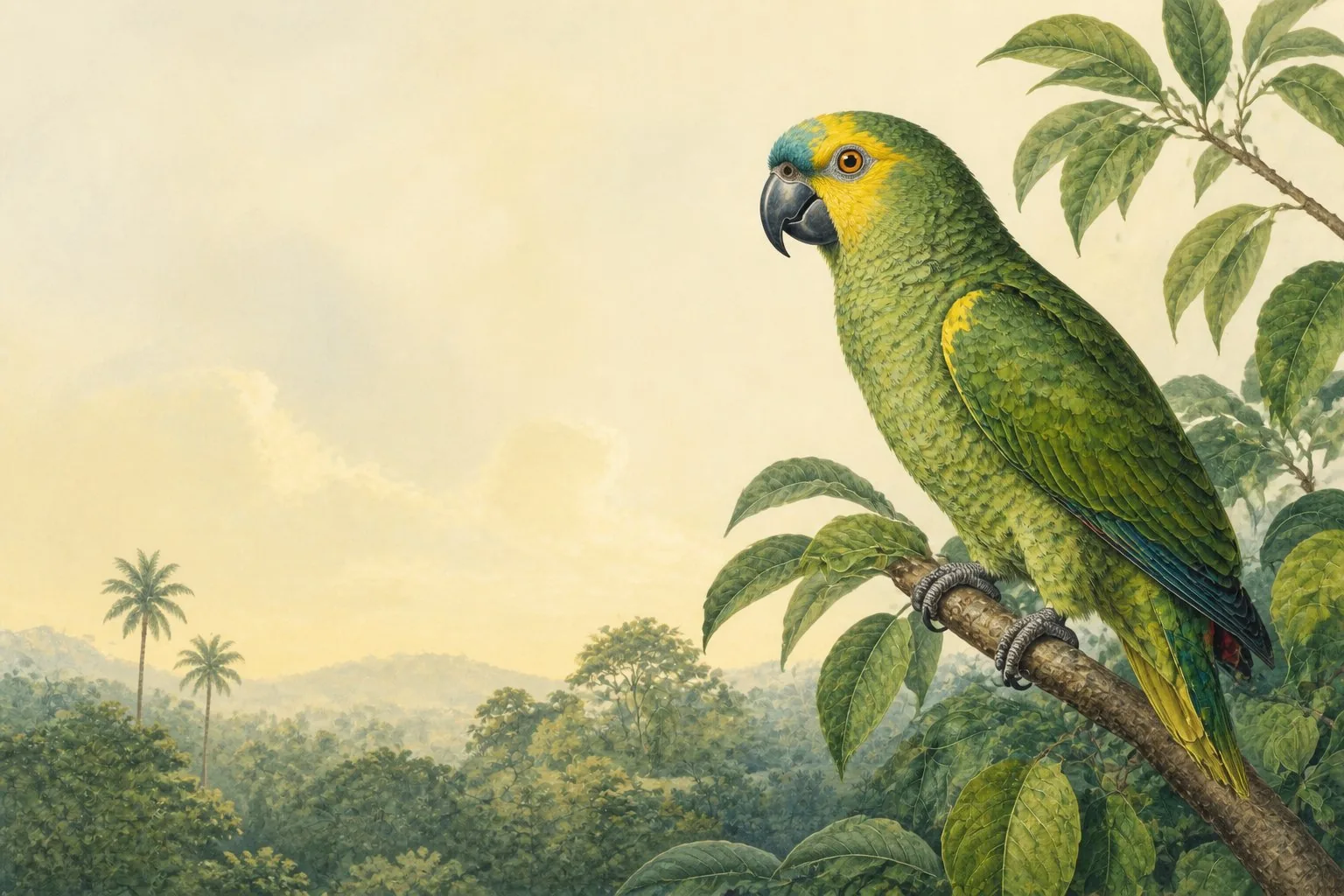
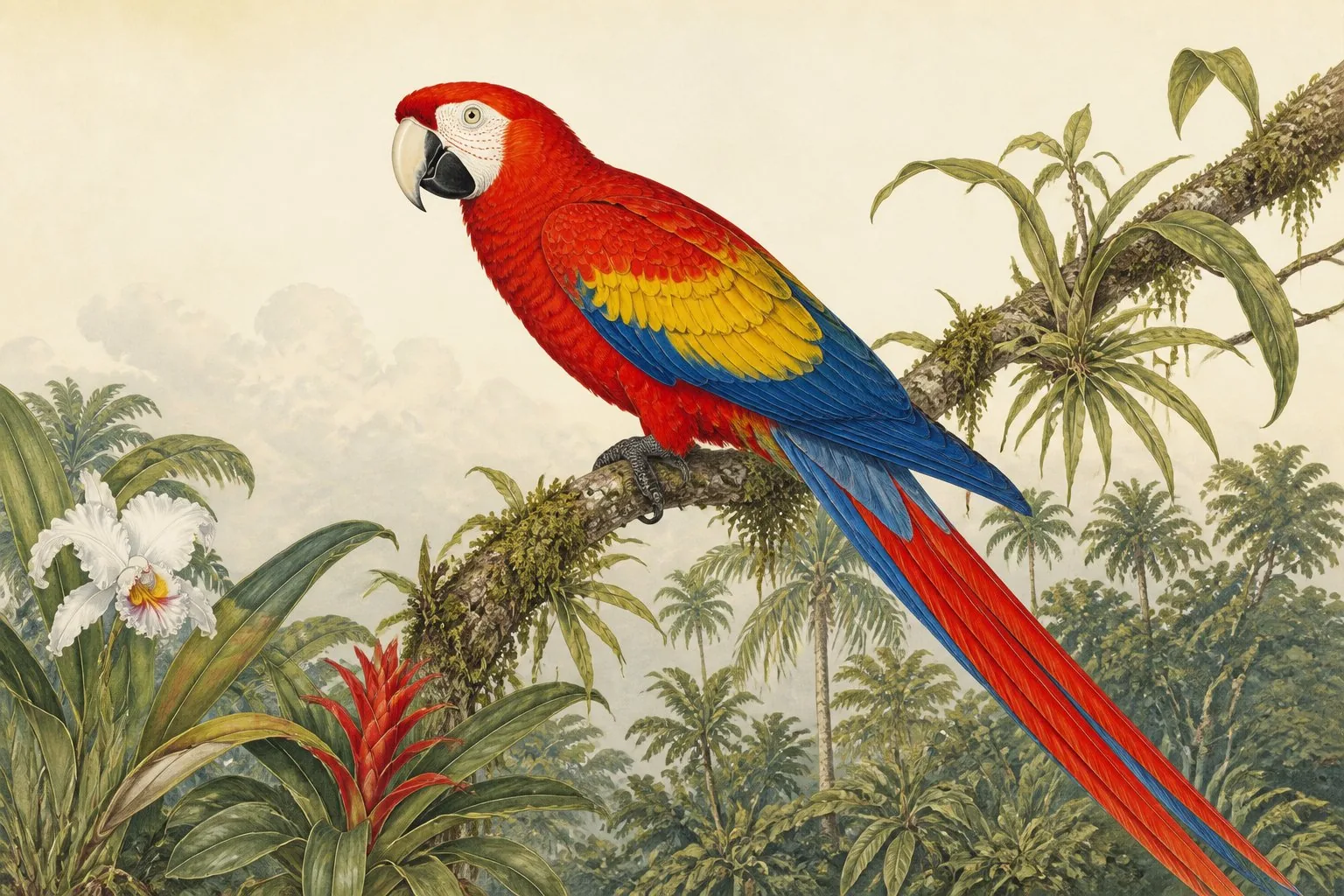
See the birds from this guide as fine-art plates, printed to order and available framed or unframed.
Explore the collectionAs an Amazon Associate we earn from qualifying purchases. Linked products are ones we genuinely recommend.
 August 19, 2024
 5 min read