Free shipping to the US, Canada & Europe
Biology
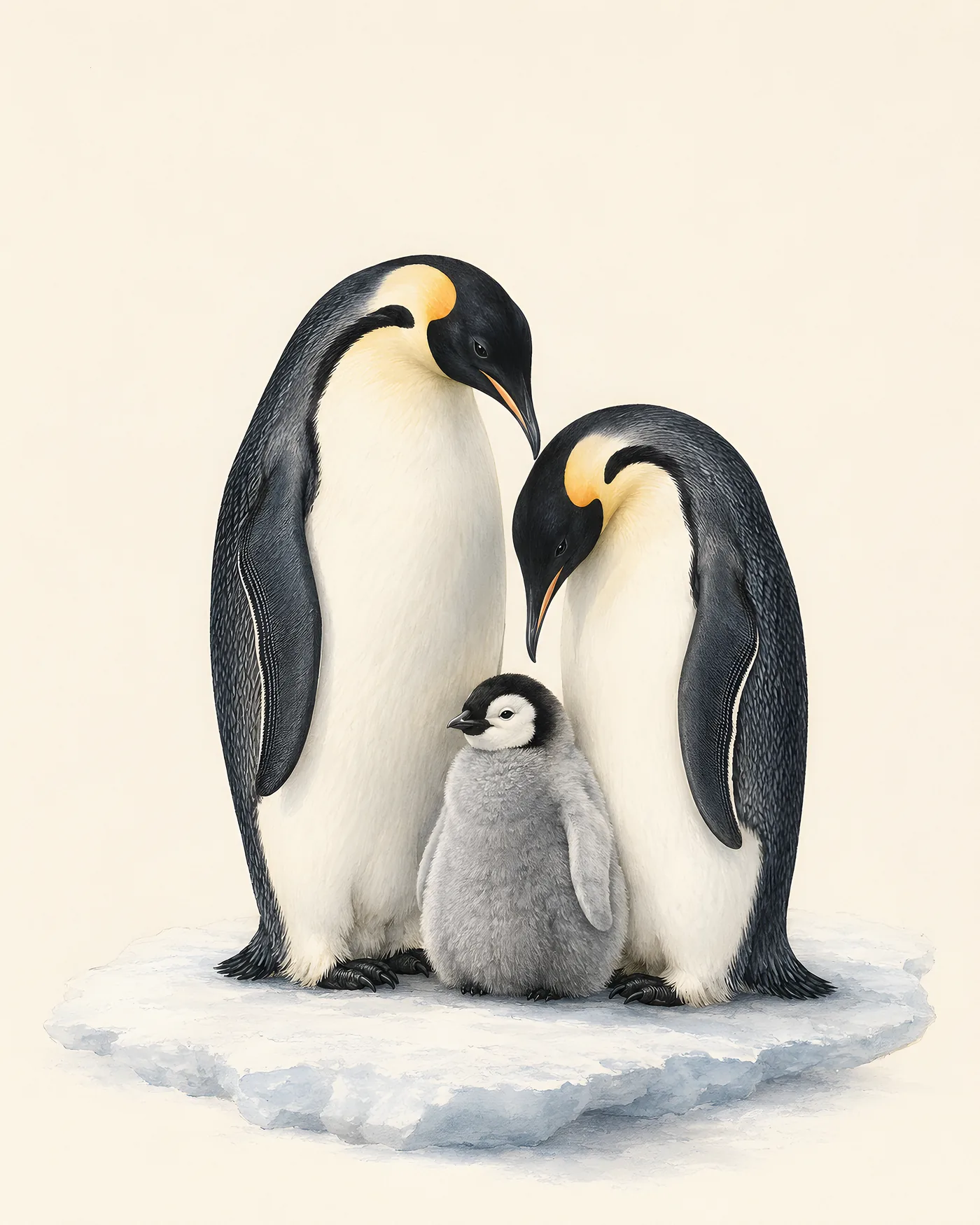
An Emperor Penguin dives 500 metres for fish in water near freezing and holds his breath for 22 minutes. The penguin diet is not a list of foods.
February 7, 2023 5 min read
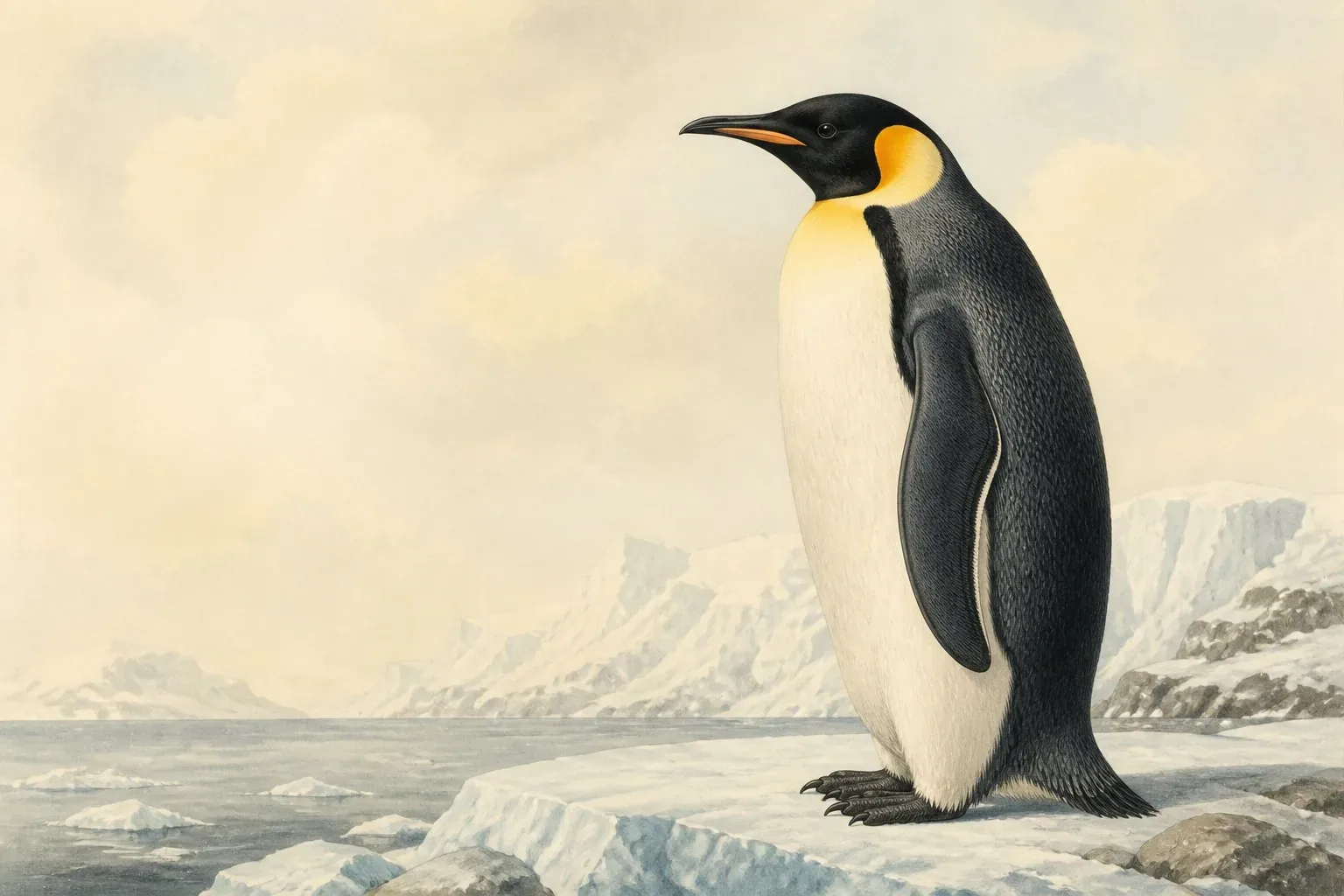
An Emperor Penguin can dive to 565 metres. He can hold his breath for up to 22 minutes. He hunts in water around -1.8 C, the freezing point of seawater. The mass of fish, krill and squid he consumes in a working day is roughly two to three kilograms, which he metabolises into both his own survival and into a crop-stored slurry he later regurgitates to feed a chick that has not seen its mother in two months.
The penguin diet is not a list of foods. It is the most extreme underwater hunting routine of any bird, performed daily, in conditions that would kill almost anything else.
| Species | Primary food | Notable behaviour |
|---|---|---|
| Emperor Penguin | Antarctic silverfish, krill, squid | Deepest diving bird on the planet |
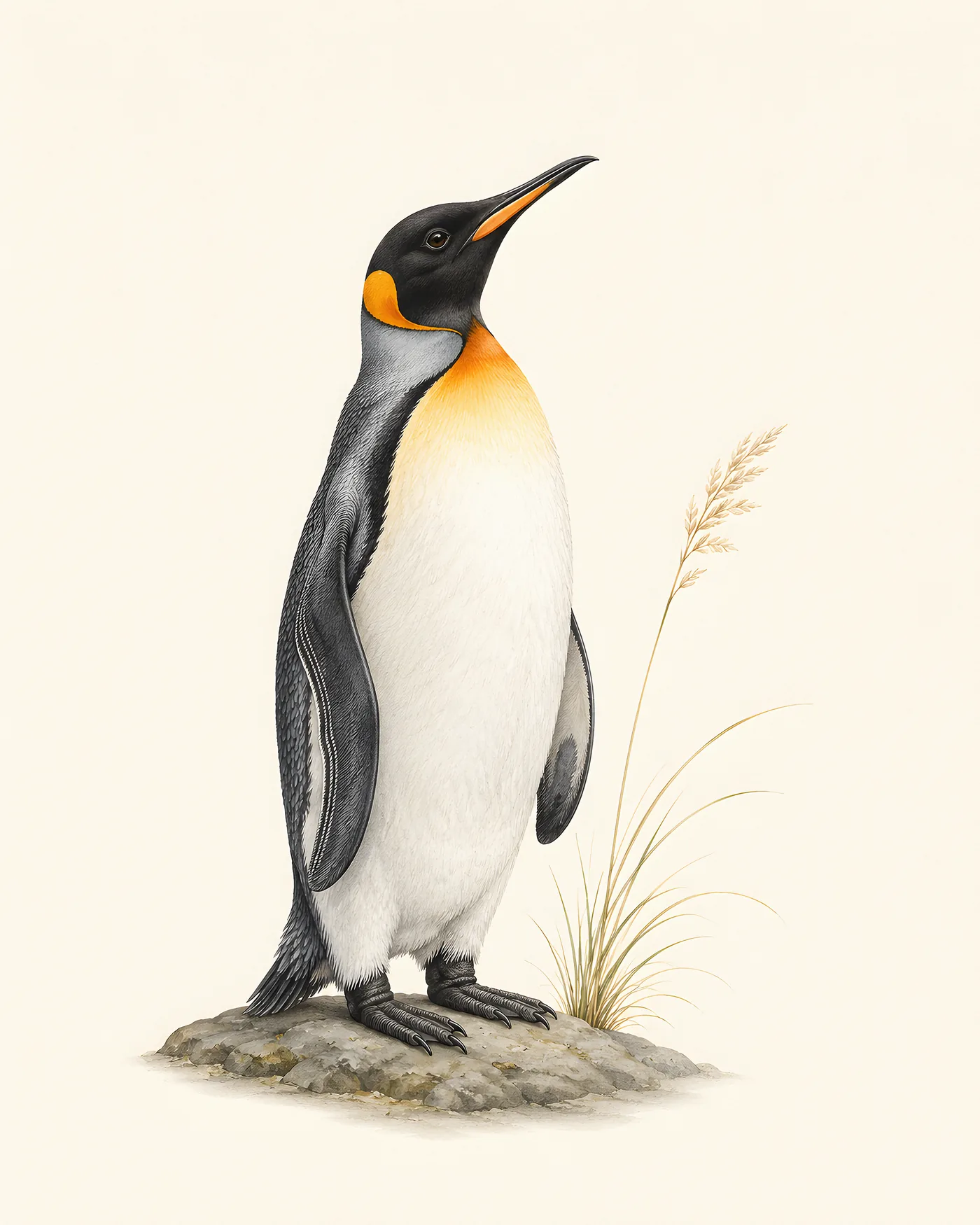
| King Penguin | Lantern fish, squid | Builds fat reserves on squid through winter |
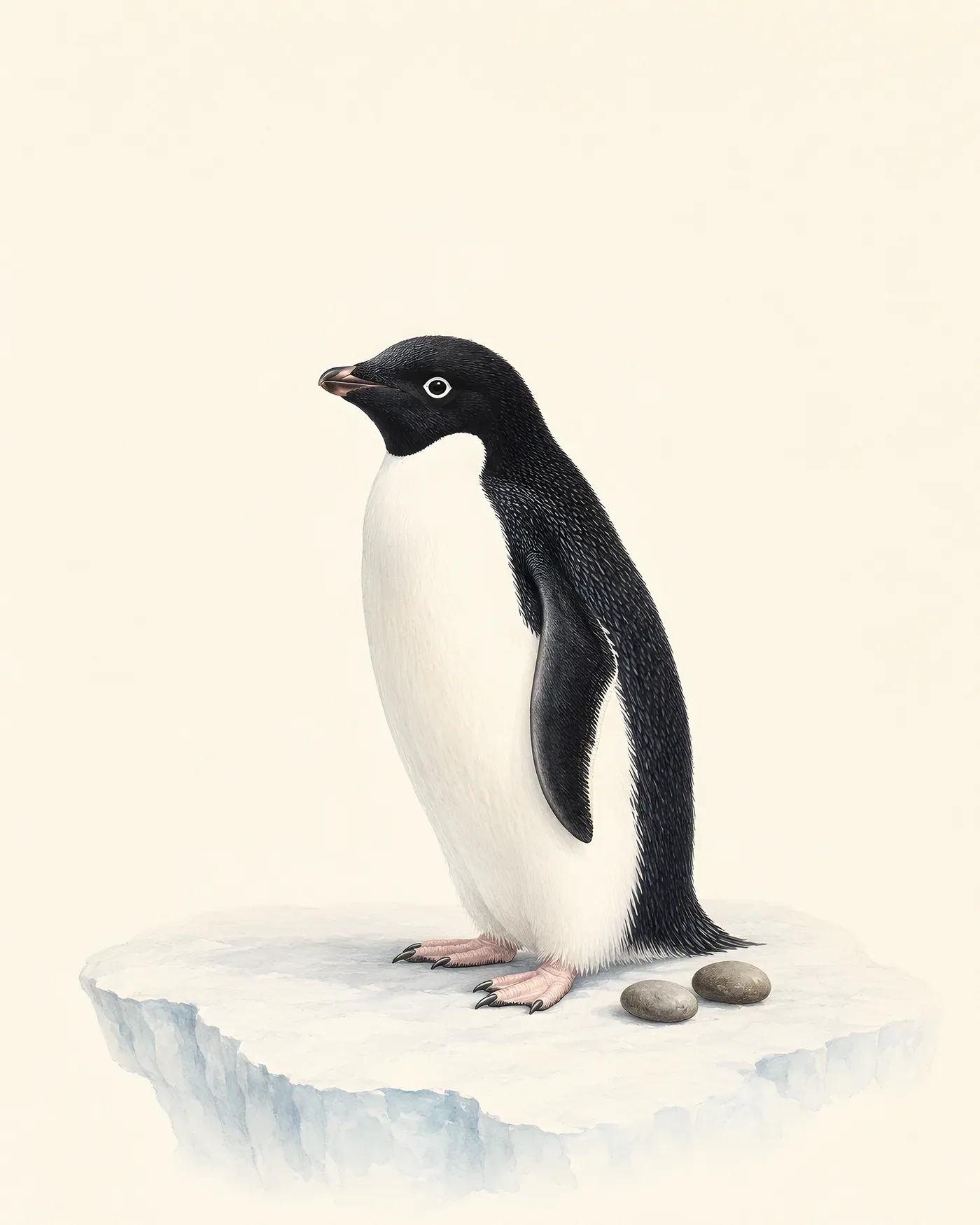
| Adelie Penguin | Antarctic krill, small fish | 1 to 2 kg of krill daily |
| Chinstrap Penguin | Krill, small fish | Pursuit-dives in coastal waters |
| Gentoo Penguin | Crustaceans, fish, squid | Most opportunistic feeder, diet shifts seasonally |
| Macaroni Penguin | Krill, fish, cephalopods | Single species eats more biomass of marine prey than any other seabird |
| Magellanic Penguin | Cuttlefish, squid, krill | Has a salt-secreting supraorbital gland |
| Humboldt Penguin | Anchovy, sardine, hake | Vulnerable to El Niño disruptions in fish populations |
| Yellow-eyed Penguin | Red cod, opal fish, sprat, squid | Population collapse correlated with overfishing |
| Galapagos Penguin | Sardines, anchovies | Only penguin in the Northern Hemisphere |
The Macaroni Penguin line is worth dwelling on. There are approximately 18 million Macaroni Penguins. Each eats around a kilogram of krill and small fish per day. The species alone consumes more marine biomass than any other seabird in the world. The penguins of the Southern Ocean are not bystanders in that ecosystem - they are a significant fraction of the predator pressure on its smaller fish and crustaceans.
The dive is the part that makes penguins different. A Mallard duck dives 4 metres. A loon dives 60. An Emperor Penguin dives 565.
To do this, the bird has solved several problems that vertebrates usually cannot.
The result is a working dive cycle that looks, from above water, like a duck. From below it is more like a submarine. The flippers that make them the only birds that cannot fly but swim like this are the reason they hunt where they do.
Three species deserve their own paragraph.
Bearded - wait, wrong list. Let me restart that one.
Emperor Penguin males fast for 115 days. The breeding cycle is structured so that the female lays a single egg, transfers it to the male, and walks back to the sea to feed for two months. The male incubates the egg on top of his feet under a fold of belly skin in temperatures of -40 C. He does not eat. He metabolises his body fat. When the female returns and regurgitates squid into the chick’s mouth, the male has lost roughly 45 per cent of his body weight and walks back to the sea himself.
Adelie Penguins steal nest stones. Adelies build pebble nests on bare rock. Pebbles are surprisingly valuable - a good pebble has been used for years and is well-shaped. A 1998 paper by Hunter in the journal The Auk documented Adelie penguins explicitly stealing pebbles from neighbours’ nests when the neighbour was looking elsewhere. The pebble economy has its own moral structure.
Gentoos dive in coordinated groups. Pursuit-dive together in a shoal of fish, herd the fish into a ball, and take fish from the edge of the ball. Cooperative hunting in penguins is documented but rare. Gentoos appear to be the species that does it most.
Captive penguins eat dead fish - herring, capelin, smelt, anchovies - hand-fed once or twice a day. The fish is supplemented with vitamins, particularly thiamine, because frozen fish degrades the vitamin during storage. A medium penguin eats roughly 0.5 to 1 kg of fish per day in captivity, less than wild birds because activity levels are lower.
The smell of a penguin enclosure is distinctive. It is the smell of fish, guano and seawater, in roughly equal parts.
Penguins are an underestimated bellwether for the health of the Southern Ocean. Their numbers track the abundance of krill and small fish, which track the productivity of the polar food web. The current rate of Antarctic krill decline - linked to warming sea-surface temperatures and reduced sea ice - is a problem for several penguin populations, particularly Adelie and Chinstrap, whose breeding success in the West Antarctic Peninsula has dropped sharply since 1980.
The penguin in the David Attenborough documentary is also the gauge needle on the world’s largest marine ecosystem. The needle is moving.
From field guide to wall
See the birds from this guide as fine-art plates, printed to order and available framed or unframed.
Explore the collectionAs an Amazon Associate we earn from qualifying purchases. Linked products are ones we genuinely recommend.
 February 7, 2023
 5 min read