Free shipping to the US, Canada & Europe
Biology
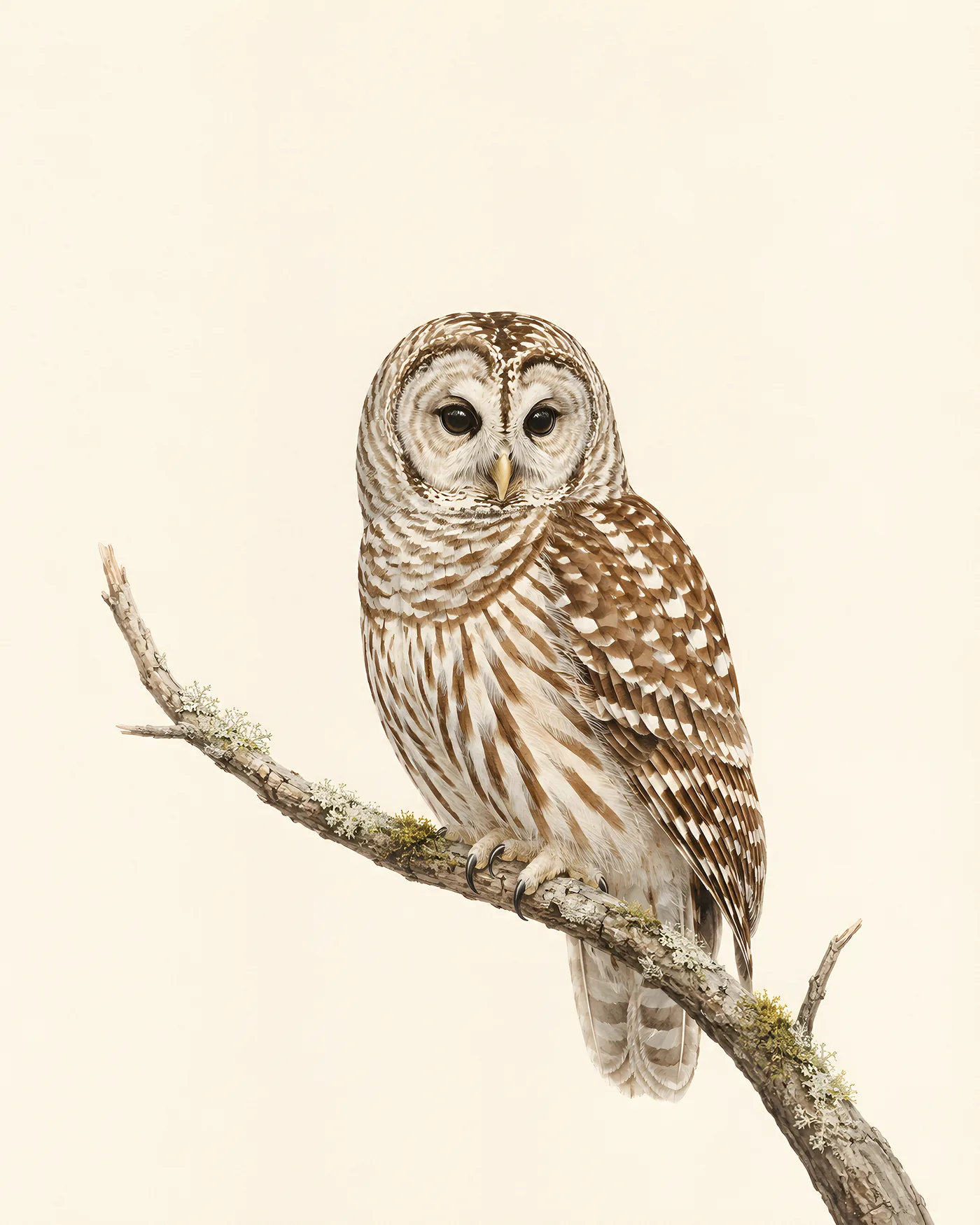
A Barred Owl in Pennsylvania will die within 10 km of where it hatched.
July 3, 2022 4 min read
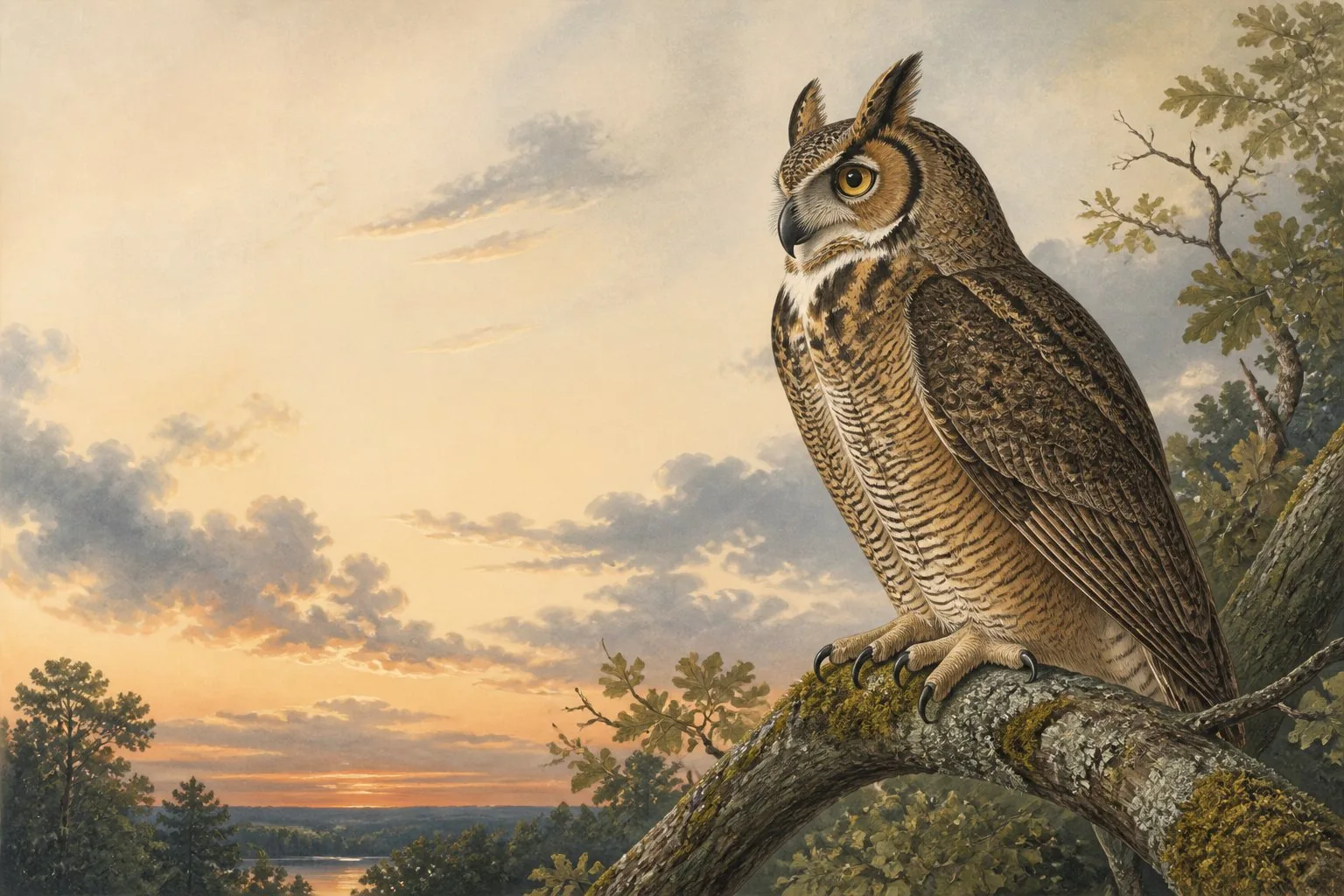
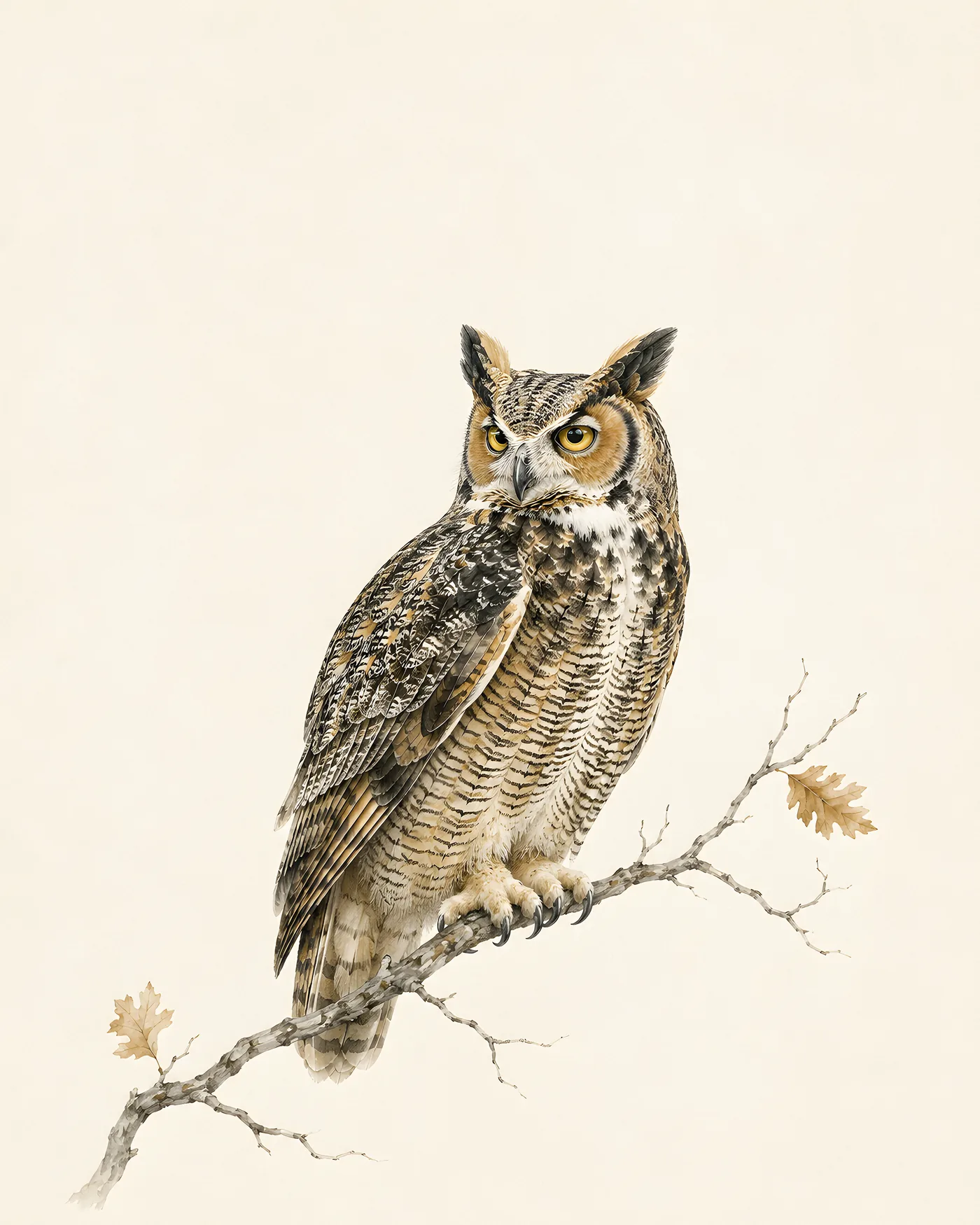
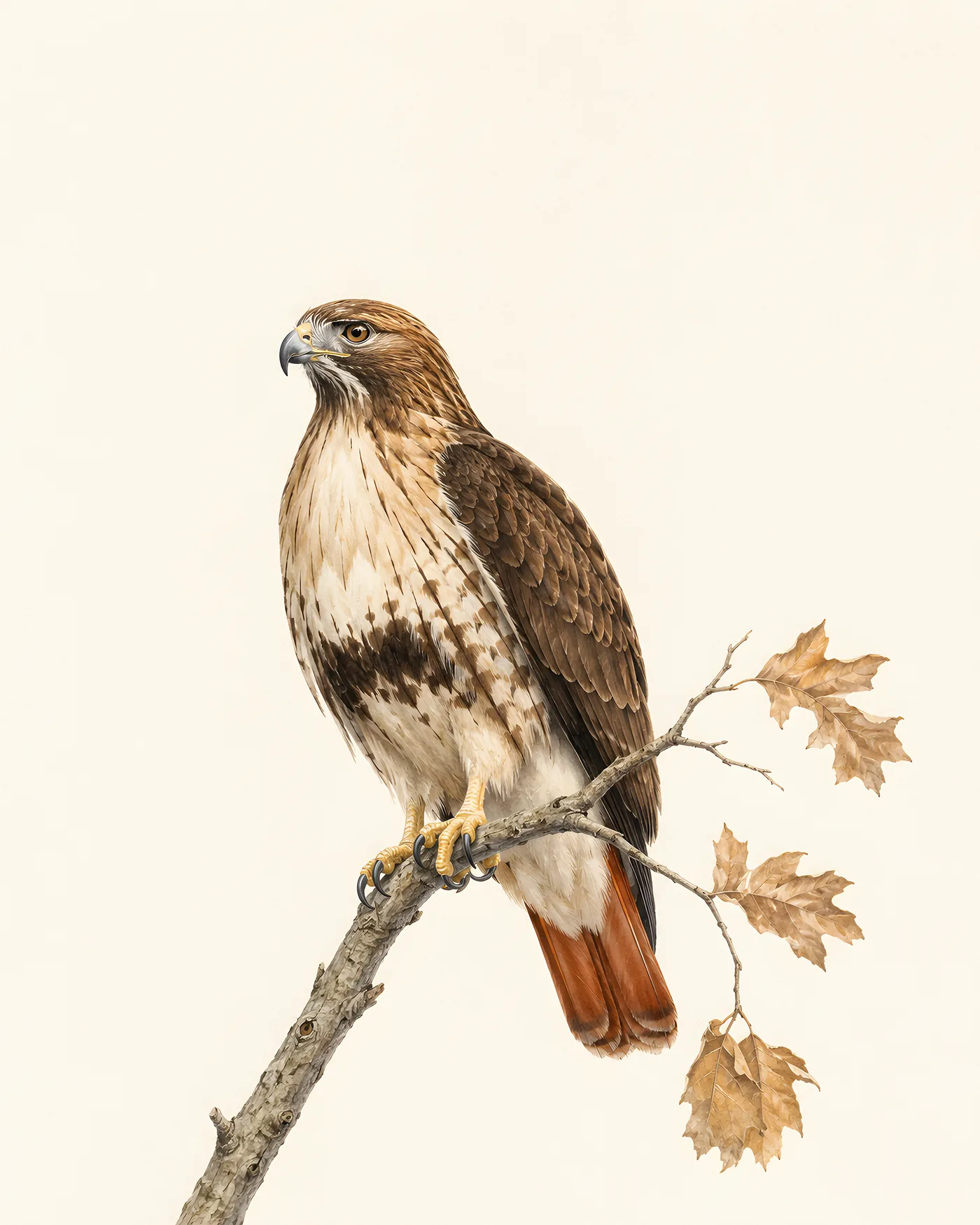
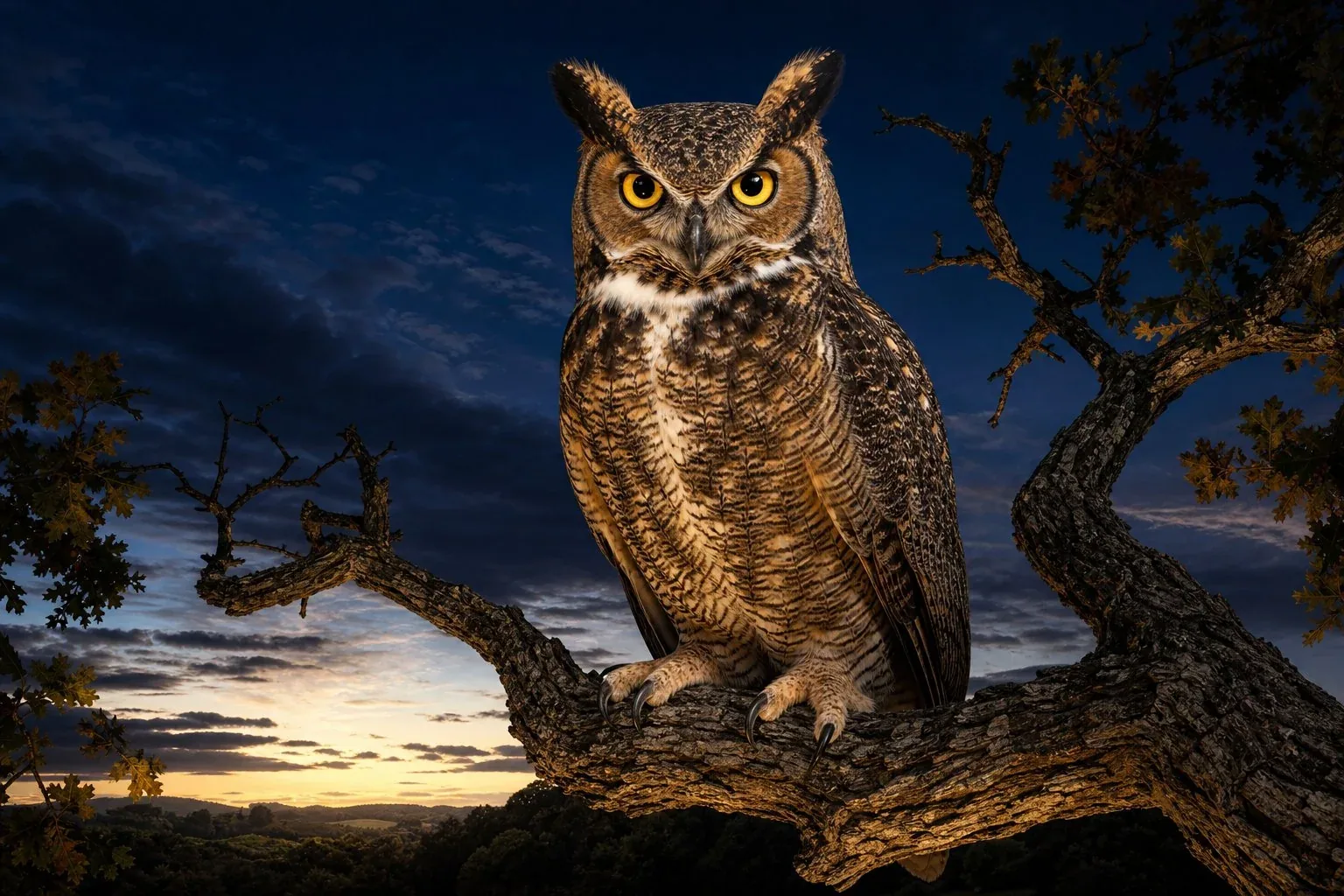
The default answer is no. Most owls do not migrate. A Barred Owl banded in eastern Pennsylvania has the highest site fidelity of almost any North American bird: roughly 80 per cent of recovered banded birds are found within 10 km of their original banding site, often the same patch of woodland for life. Great Horned Owls reuse the same Red-tailed Hawk nest for decades.
Then there are the exceptions, and the exceptions are the more interesting part of the story.
| Species | Pattern | Notes |
|---|---|---|
| Snowy Owl | Irruptive | Moves south unpredictably, sometimes by thousands of kilometres, in response to lemming cycles |
| Short-eared Owl | Partial migrant | Northern populations move south in winter |
| Long-eared Owl | Partial migrant | Some populations shift, others don’t, within the same range |
| Flammulated Owl | True migrant | Insectivorous mountain owl that overwinters in Central America |
| Northern Saw-whet Owl | Partial migrant | Migrates further than anyone realised until banding stations started catching them in numbers in the 1990s |
| Burrowing Owl | Partial migrant | Northern populations move south, southern ones stay |
| Eastern Screech-Owl | Resident | Almost never moves more than 5 km |
The Saw-whet line is the most interesting. Until the 1990s, ornithologists thought the species was a forest resident with minor local movement. A volunteer banding station in northeastern Pennsylvania began running mist nets on autumn nights and caught hundreds of southward-moving Saw-whets per year. Project Owlnet, the network that grew out of that work, now operates across the eastern US and has documented Saw-whet migration as one of the most under-appreciated phenomena in North American ornithology. The bird had been moving the whole time. Nobody had been looking at night.
The single most spectacular owl movement in North America is the Snowy Owl irruption.
Snowy Owls breed on the high Arctic tundra. Their primary food is lemmings, which run on a roughly four-year boom-and-bust population cycle. In years when lemming numbers collapse in their tundra breeding grounds, hundreds or thousands of Snowy Owls move south, sometimes as far as Texas, Oklahoma, Florida and southern California. The 2013-2014 irruption was one of the largest on record: Snowy Owls turned up on airport runways from Boston to Bermuda. The 2017-2018 irruption was nearly as large.
What is striking is what nobody can predict. Irruption size correlates with lemming bust years but not perfectly. Some bust years produce small movements, some produce massive ones, and the bird’s choice of southern destination is variable. The Snowy Owl knows things about the geography of the eastern United States that no scientific paper has been able to formalise.
When an irruption is happening, eBird becomes the easiest tracking tool. The bird favours wide-open landscapes that resemble tundra: agricultural flats, beach dunes, airports.
The arithmetic of staying put is good. Three factors stack the deck.
The owls that do migrate are mostly insectivores or specialists on prey that itself moves. Flammulated Owls eat moths that disappear in October. Short-eared Owls hunt voles in habitats that flood or freeze. Snowy Owls eat lemmings whose populations crash unpredictably. The pattern is: if your food vanishes, you move. If it does not, you do not.
This is the under-appreciated half. A non-migratory owl in a Minnesota January is doing real work to survive.
The owl in a northern winter is not enduring. He is operating within design parameters.
From field guide to wall
See the birds from this guide as fine-art plates, printed to order and available framed or unframed.
Explore the collectionAs an Amazon Associate we earn from qualifying purchases. Linked products are ones we genuinely recommend.
 July 3, 2022
 4 min read