Free shipping to the US, Canada & Europe
Backyard
Freshwater cattail marshes hold more bird species per acre than almost any other North American habitat, but most of those birds are heard long before they are seen. Learn when to go, what to listen for, and how to find the skulkers.
June 28, 2026 6 min read
Stand at the edge of a cattail marsh in late April and you will hear it before your eyes adjust: a liquid, three-syllable groan rising from somewhere deep in the reeds. Not a frog. Not a mechanical pump. The American Bittern, invisible, announcing spring.
That moment, sound without sight, is the defining experience of marsh birding. Learn to work with it and these habitats open up completely.
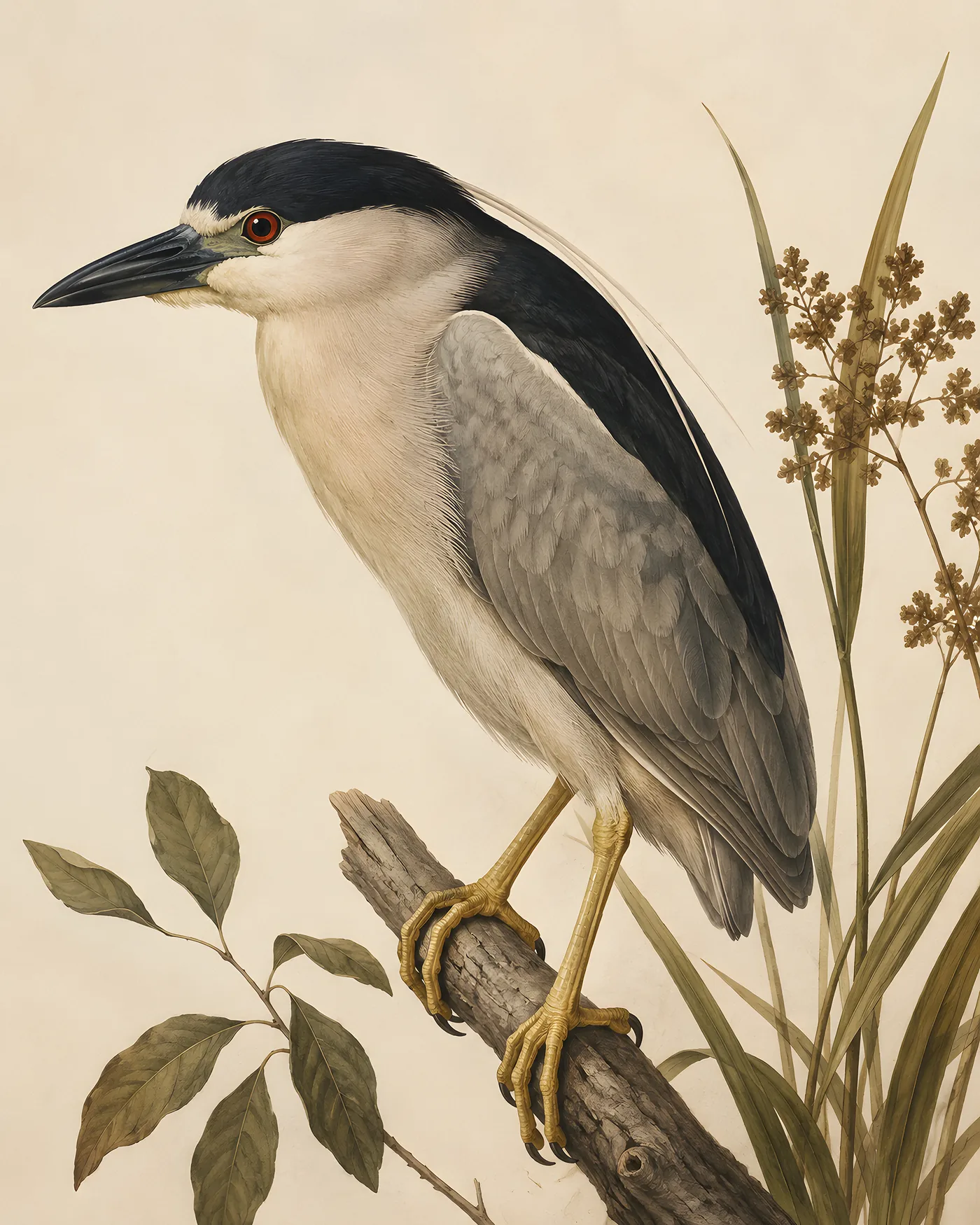
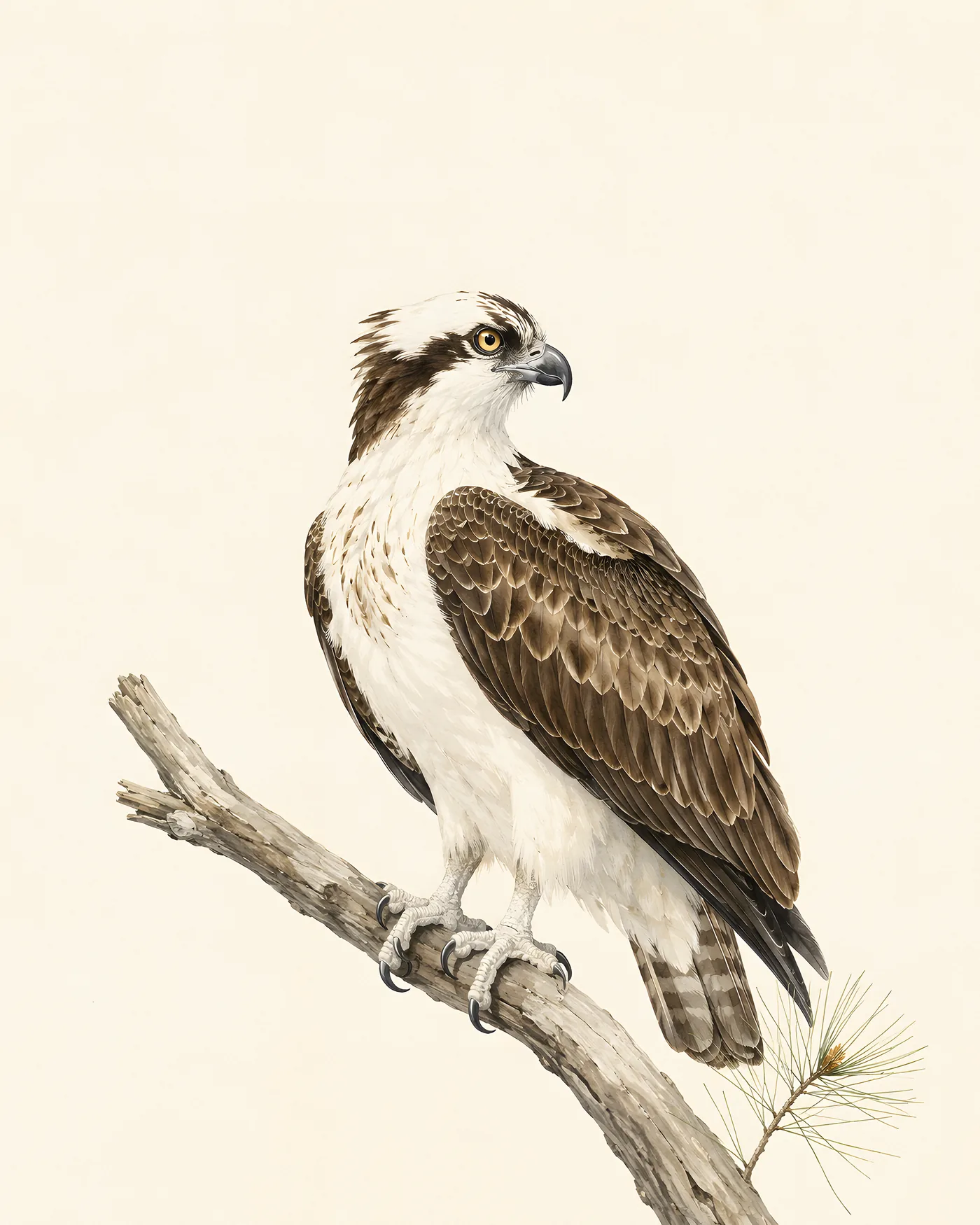
Cattail and bulrush marshes are among the densest bird habitats on the continent. According to the U.S. Fish and Wildlife Service, up to half of all North American bird species nest or feed in wetlands at some point in their lives. Audubon Great Lakes has identified 14 species as markers of high-quality wetland habitat: American Bittern, Black-crowned Night Heron, Black Tern, Blue-winged Teal, Common Gallinule, Least Bittern, Marsh Wren, Osprey, Pied-billed Grebe, Sandhill Crane, Sedge Wren, Sora, Swamp Sparrow, and Virginia Rail.
Most visitors walk past these places without stopping. The birds are real, they are common, and they are largely hidden, which is exactly why patience here pays off better than almost anywhere else.
Research published in the peer-reviewed literature confirms that marsh bird numbers peak not in solid walls of reeds but in a mosaic: emergent vegetation covering roughly 40 to 70 percent of the wetland area, interspersed with open water and mudflats. A marsh that is all cattail from bank to bank holds far fewer detectable species than one with channels, gaps, and shallow edges.
Arrive before sunrise with a list of sounds memorised. These are the calls worth knowing before your first visit.
| Bird | Call to learn | When it calls |
|---|---|---|
| Red-winged Blackbird | conk-la-ree, abrupt note into a musical trill | All day, spring through summer |
| American Bittern | pump-er-lunk, three liquid syllables, repeated up to 10 times | Dawn and dusk, April to June |
| Sora | Descending whinny, 2 to 3 seconds long | Dawn and dusk, April to July |
| Virginia Rail | Pig-like grunts trailing off; ka-dik ka-dik ka-dik | Dawn and dusk, breeding season |
| Common Yellowthroat | wichety-wichety-wichety from an exposed perch | Morning, spring and summer |
Low-frequency calls travel farther through dense vegetation than high ones. The bittern’s pump-er-lunk carries across an entire marsh precisely because of its liquid, resonant quality, produced, according to Cornell Lab of Ornithology, by the male inflating his esophagus through violent body contortions before releasing stored air. Birders who describe it as a vague “deep boom” are missing how watery and mechanical it actually sounds. Listen on the Merlin Sound ID app before you go.
April through July is the window. Birds are on territory, singing, and, crucially, moving to nest sites and feeding spots more frequently than at any other time of year.
Dawn and dusk are not optional. Soras, Virginia Rails, and bitterns are most active in low light. A midday visit in June will feel empty by comparison.
Read the habitat before you walk:
These birds are not rare. They are common and cryptic, a distinction worth keeping clear.
The Sora is one of the most abundant rails in North America, according to Cornell Lab of Ornithology. You almost certainly share your local marsh with several pairs. You will almost certainly not see them unless you station yourself at a gap in the vegetation at dawn and wait. The Sora’s descending whinny carries through the reeds clearly; the bird producing it may be eight feet away and perfectly invisible.
The Virginia Rail prefers wetlands where emergent vegetation covers 40 to 70 percent of the surface, with standing water typically less than six inches deep over a muddy bottom. Males and females duet with grunting calls throughout the breeding season, and a sequence of pig-like grunts is often the first evidence that a pair is present. Find a creek-channel sight line and you may eventually see one feeding on the muddy edge.
The American Bittern has one of the most effective camouflage strategies of any North American bird. When approached, it stretches its neck upright with bill pointed to the sky, turning its streaky brown-and-buff plumage into a column of dead reeds. The National Audubon Society lists its nicknames, thunder-pumper, stake-driver, mire-drum, water-belcher, and each one captures a different quality of that extraordinary call. Hear it once and you will never confuse it again.
The Least Bittern, smallest of the herons, builds its platform nest anchored to cattail stems 6 to 30 inches above water, over water that may be 3 to 38 inches deep. It hunts by perching quietly at the reed edge, gripping stems with its feet, and stabbing downward. Patience at one fixed spot rewards this species more reliably than walking.
Begin with these while you train your ear for the skulkers.
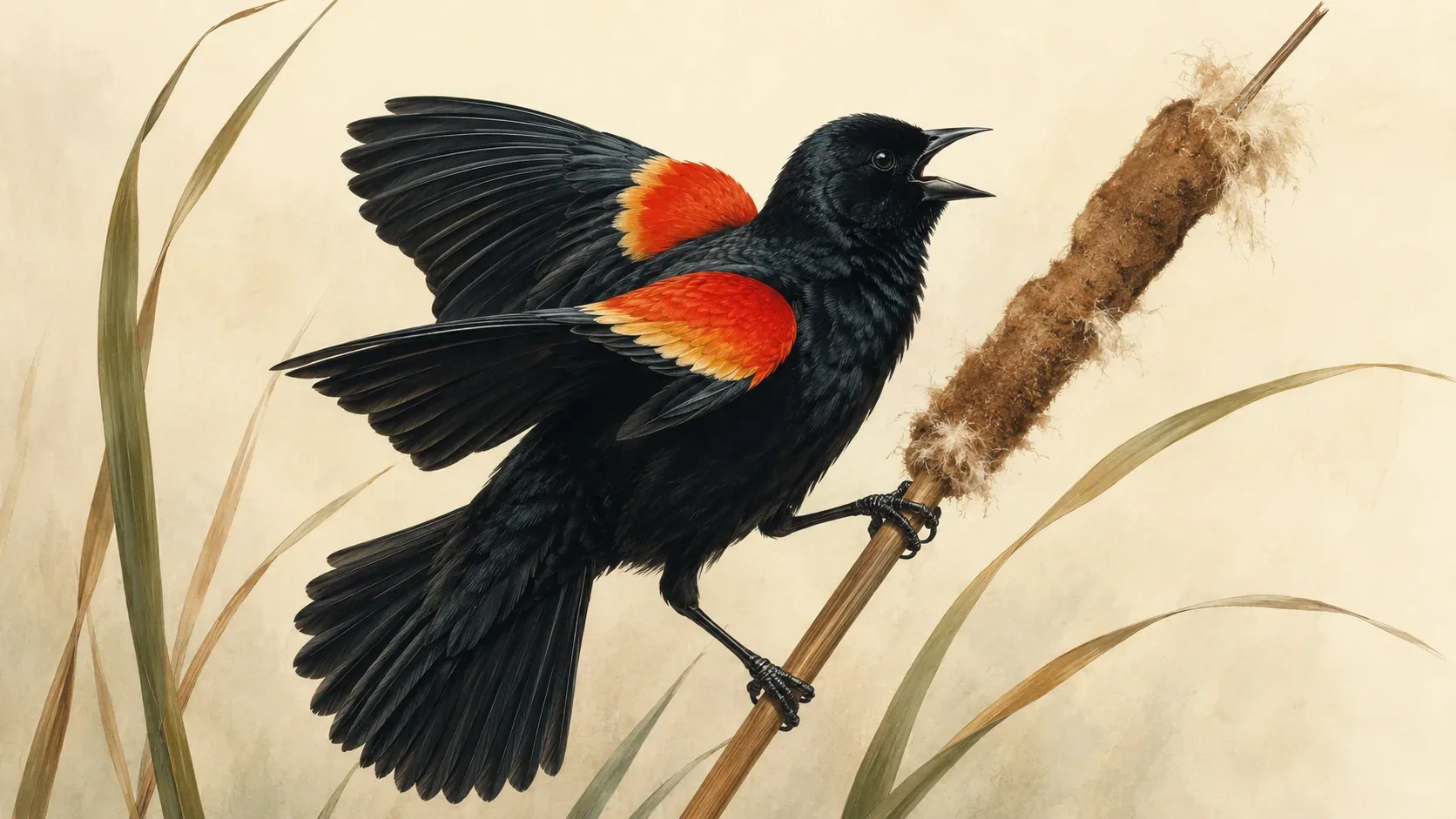
The male Red-winged Blackbird is the marsh’s most conspicuous ambassador. Cornell Lab describes the full display: the male leans forward on a high cattail stem, drops his wings, fans his tail, and fluffs his epaulets, red with a lower border of yellow or buff, while delivering the conk-la-ree call. He does this all day. Females are heavily streaked brown and look so different that beginners often treat them as a separate species. They are not. If a small, sparrow-shaped streaked bird flushes from the reeds, check it carefully before moving on.
In wetlands across the West and prairie marshes, watch for the Yellow-headed Blackbird. The male’s brilliant gold head and chest are unmistakable over a stand of deep-water cattails, and where the two species share a marsh he will routinely push the Red-winged Blackbirds out to the shallower fringes. A western marsh in May can hold both, the gold birds holding the core and the red-shouldered birds working the edges.
The Common Yellowthroat nests low in cattails and bulrushes, less than three feet above the water, according to Cornell Lab and the National Audubon Society, but the masked male sings wichety-wichety-wichety from exposed stems where he is easy to find.
The Marsh Wren bounces between cattail stems with its tail cocked, scolding anything that comes close. Males are prolific builders: Cornell Lab documents that a single male constructs at least six “dummy” nests per female on his territory, with one recorded male building 22. The dome-shaped nests are anchored to standing cattails one to three feet above water.
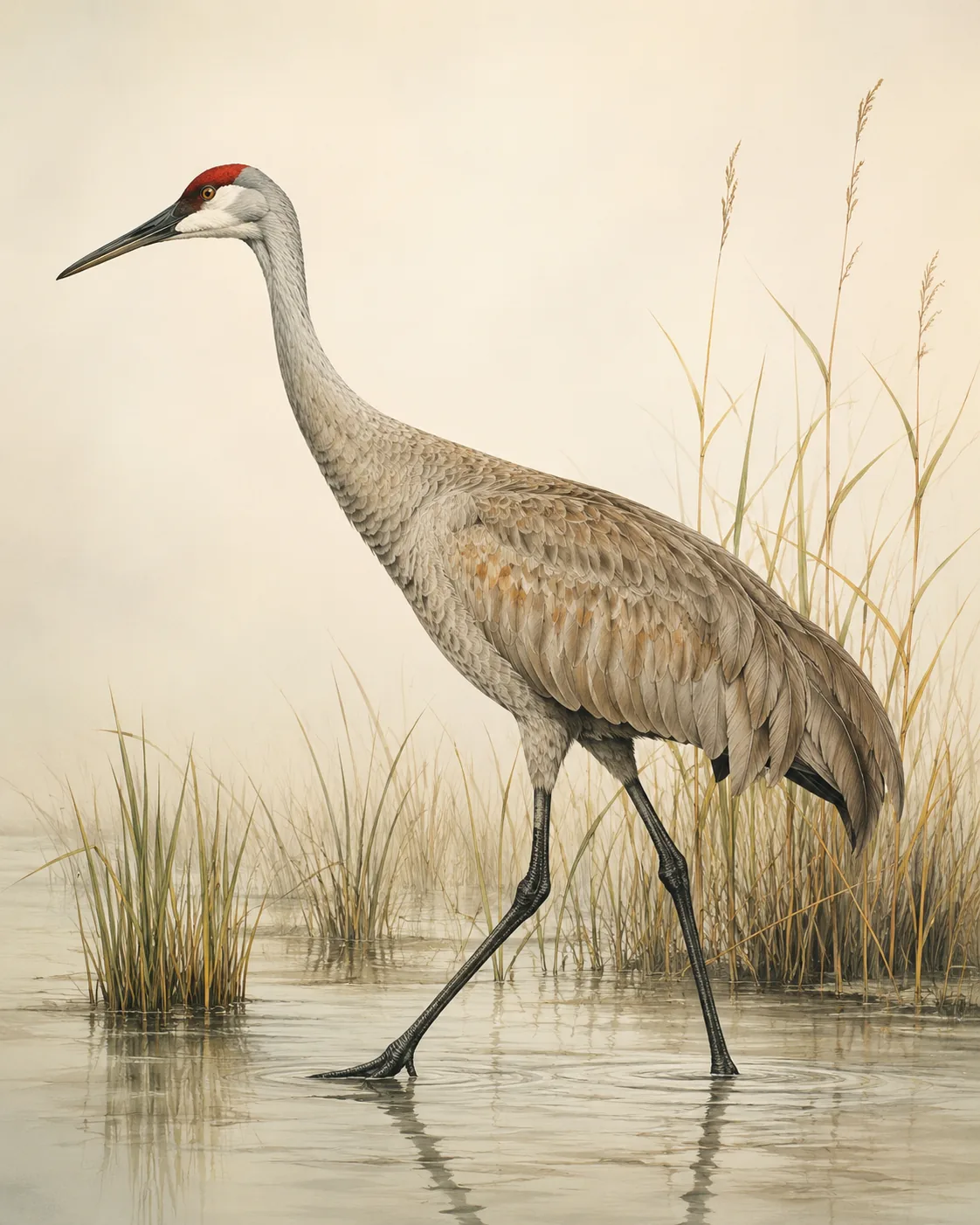
The Great Blue Heron and Sandhill Crane, where present, require no searching at all. They are large, visible from a distance, and give beginners an immediate reward while they settle in and start listening for everything else.
Stand still longer than you think you need to. Ten minutes of stillness at a good edge produces more sightings than an hour of walking. Birds that froze at your arrival will resume moving once they decide you are part of the landscape.
A few practical points from experienced marsh watchers:
The best marsh birders are listeners first. The reeds hold everything, and the skill is in learning to hear what is already there.
From field guide to wall
See the birds from this guide as fine-art plates, printed to order and available framed or unframed.
Explore the collectionAs an Amazon Associate we earn from qualifying purchases. Linked products are ones we genuinely recommend.
 June 28, 2026
 6 min read