Free shipping to the US, Canada & Europe
Identification
Cranes, storks, ibises and spoonbills all look like herons until they take off. Watch the neck. Herons fold theirs in flight. Nothing else does.
July 27, 2023 5 min read
Watch the neck.
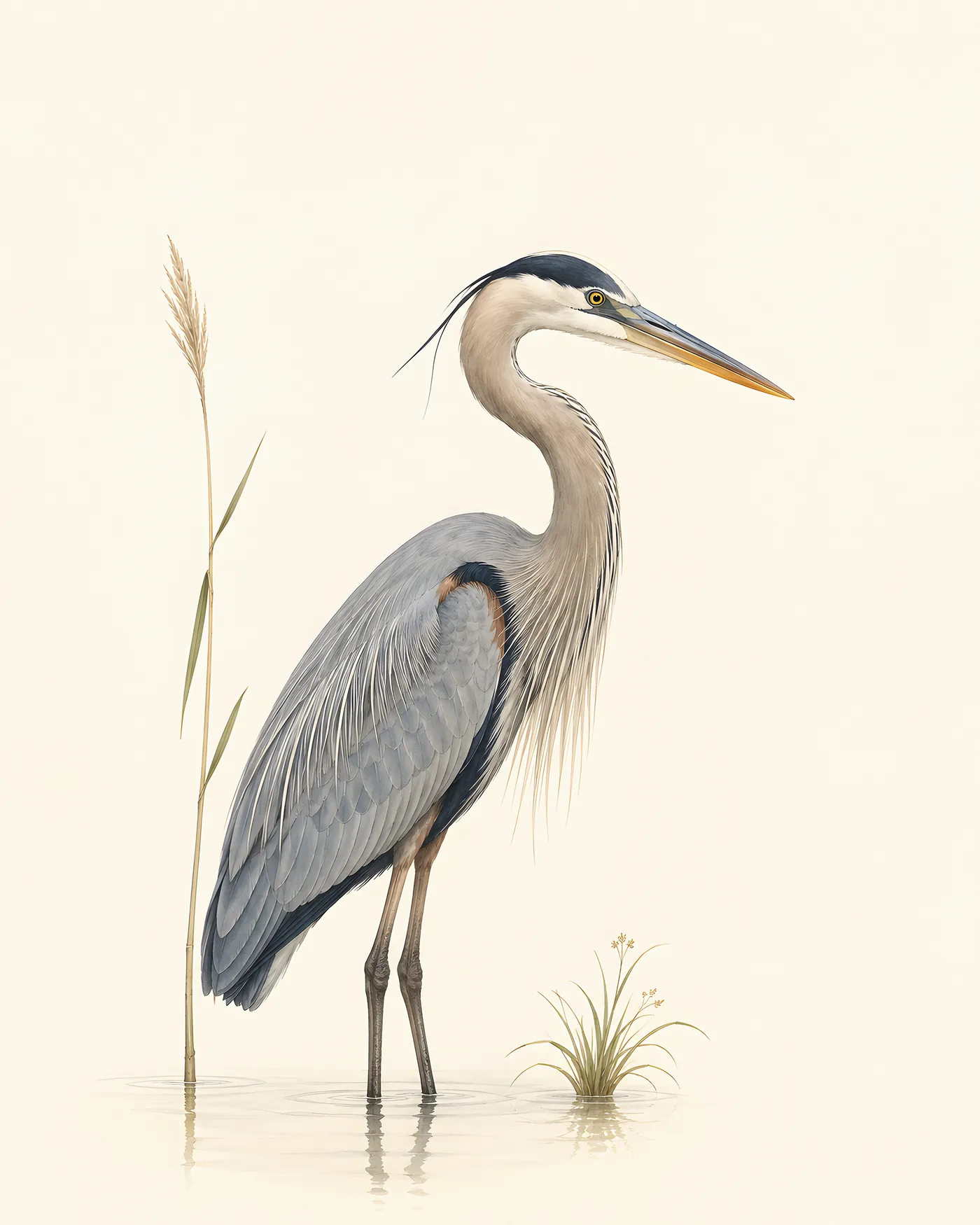
A Great Blue Heron takes off and within three wingbeats has pulled its head back into a tight S, the neck folded like a closed accordion against the shoulders. It will fly for the next twenty kilometres in this posture. No crane, no stork, no ibis, no spoonbill does this. They all fly with the neck straight out, head leading.
That is the entire rule. You can stop reading. The rest is texture.
A heron’s neck has a permanent kink at the sixth vertebra. The muscle and tendon arrangement is purpose-built for the lightning forward strike a hunting heron makes when a fish swims into range. The same arrangement that makes the strike possible also makes it impossible to hold the neck straight in flight without expending energy. So herons fold.
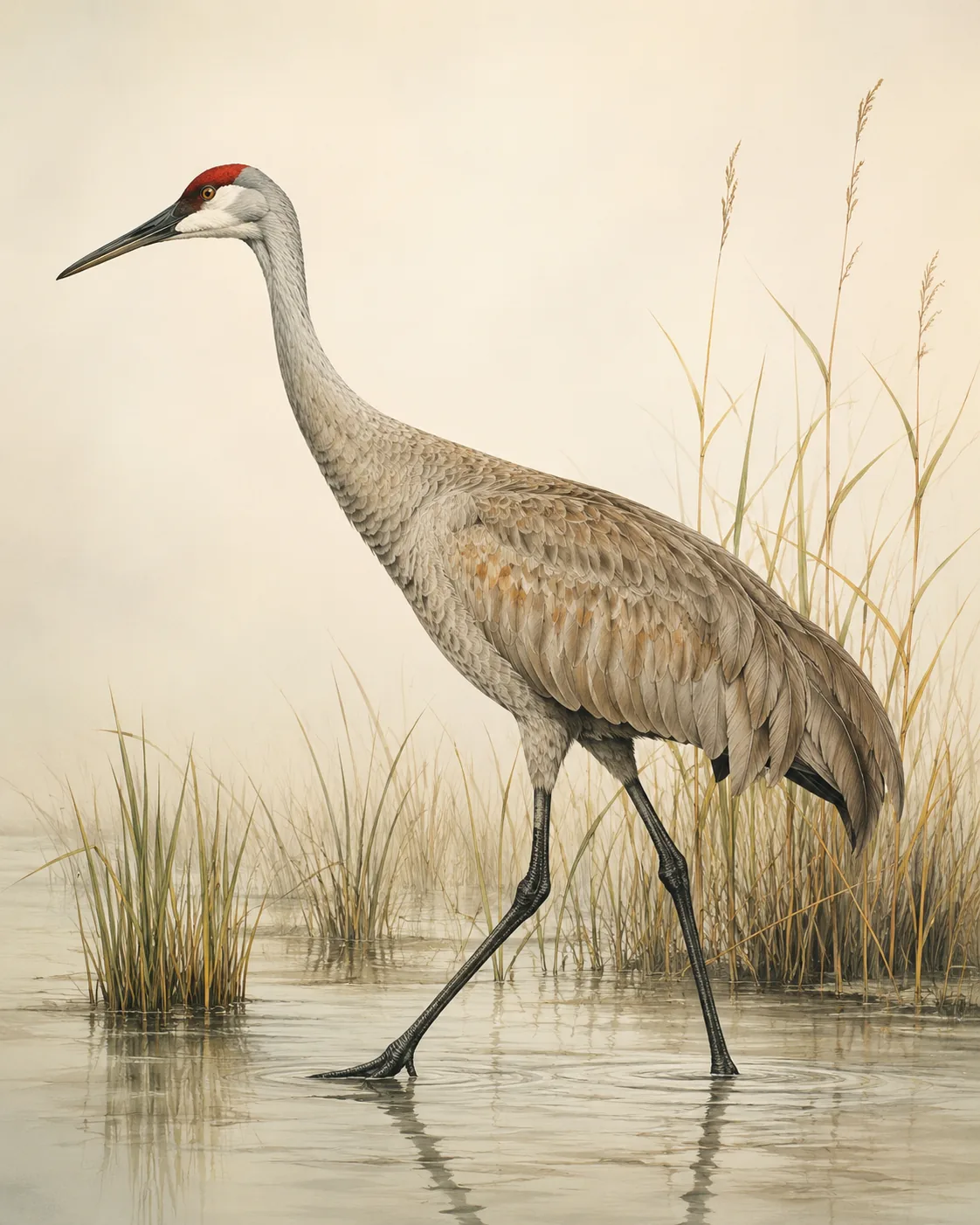
Cranes have the same need to deal with a long neck in flight but solved the problem differently - they stretch the neck out and hold it there with skeletal alignment, which is less metabolically expensive over distance. A Sandhill Crane migrating from Texas to Manitoba in spring covers two thousand kilometres with the neck extended. A heron would not make that trip.
This is why the neck-fold rule is the cleanest sort in waterbird identification. The two flight postures are products of different evolutionary solutions to the same long-neck problem. Once you see them you cannot unsee them.
| Bird | Family | Neck in flight | Region |
|---|---|---|---|
| Great Egret | Ardeidae (herons) | Folded | Worldwide |
| Snowy Egret | Ardeidae | Folded | Americas |
| Cattle Egret | Ardeidae | Folded | Worldwide |
| Reddish Egret | Ardeidae | Folded | US Gulf Coast |
| American Bittern | Ardeidae | Folded, but rarely flies in daylight | North America |
| Black-crowned Night-Heron | Ardeidae | Folded | Worldwide |
| Sandhill Crane | Gruidae | Extended | North America |
| Whooping Crane | Gruidae | Extended | Central US migration |
| White Stork | Ciconiidae | Extended | Europe |
| Wood Stork | Ciconiidae | Extended | Florida, Texas |
| Glossy Ibis | Threskiornithidae | Extended | Worldwide |
| White Ibis | Threskiornithidae | Extended | US Southeast |
| Roseate Spoonbill | Threskiornithidae | Extended | US Gulf Coast |
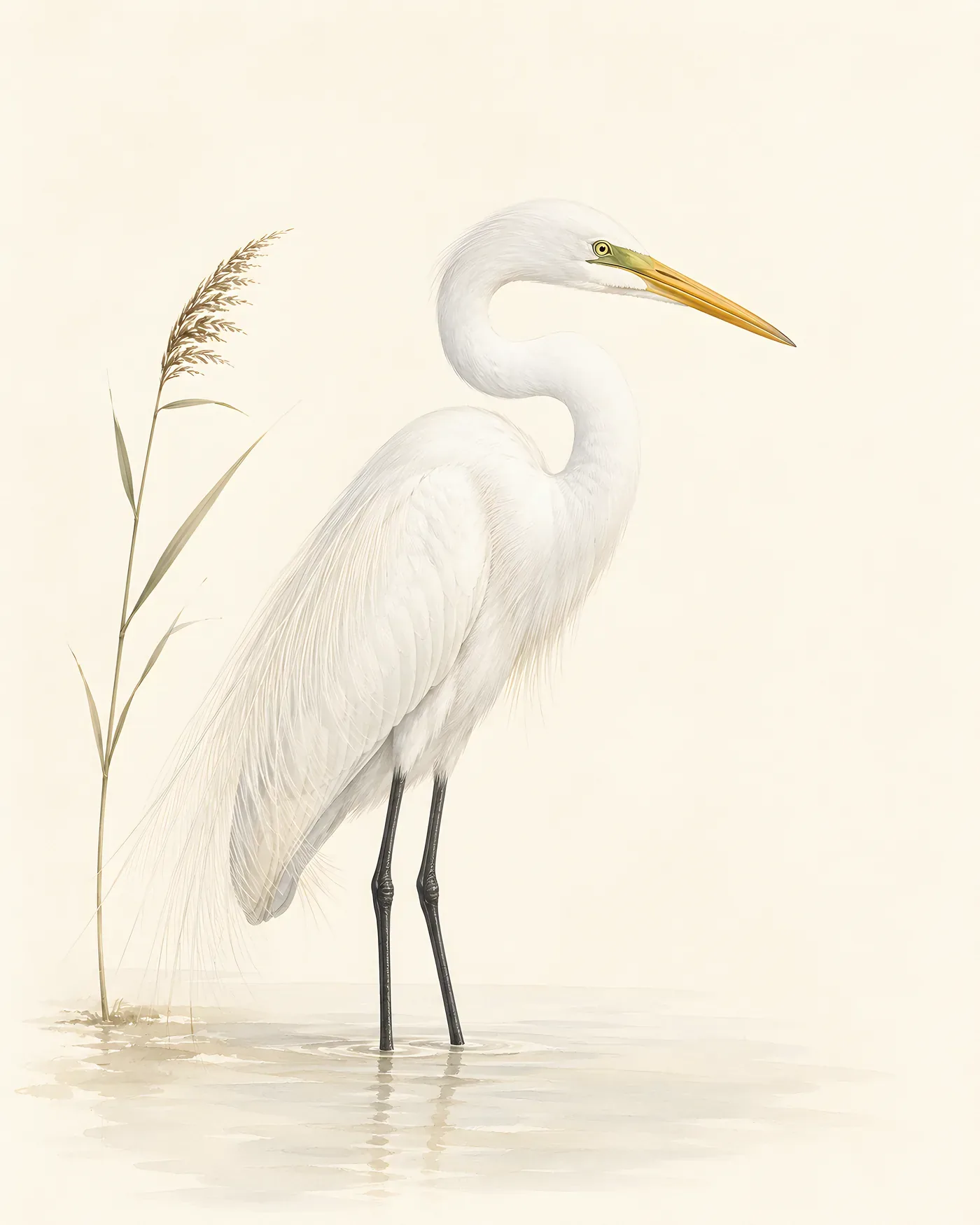
This is the most common confusion in the family. There is no taxonomic difference between herons and egrets. The Great Egret and the Snowy Egret are in the same genus as the Great Blue Heron. “Egret” is a Victorian retail term for the species whose breeding plumes were valuable to the millinery trade. The plume trade nearly exterminated several egret species in the late nineteenth century and was the founding cause of the Audubon movement.
Calling a Great Egret “the white heron” is taxonomically accurate. The split is cultural.
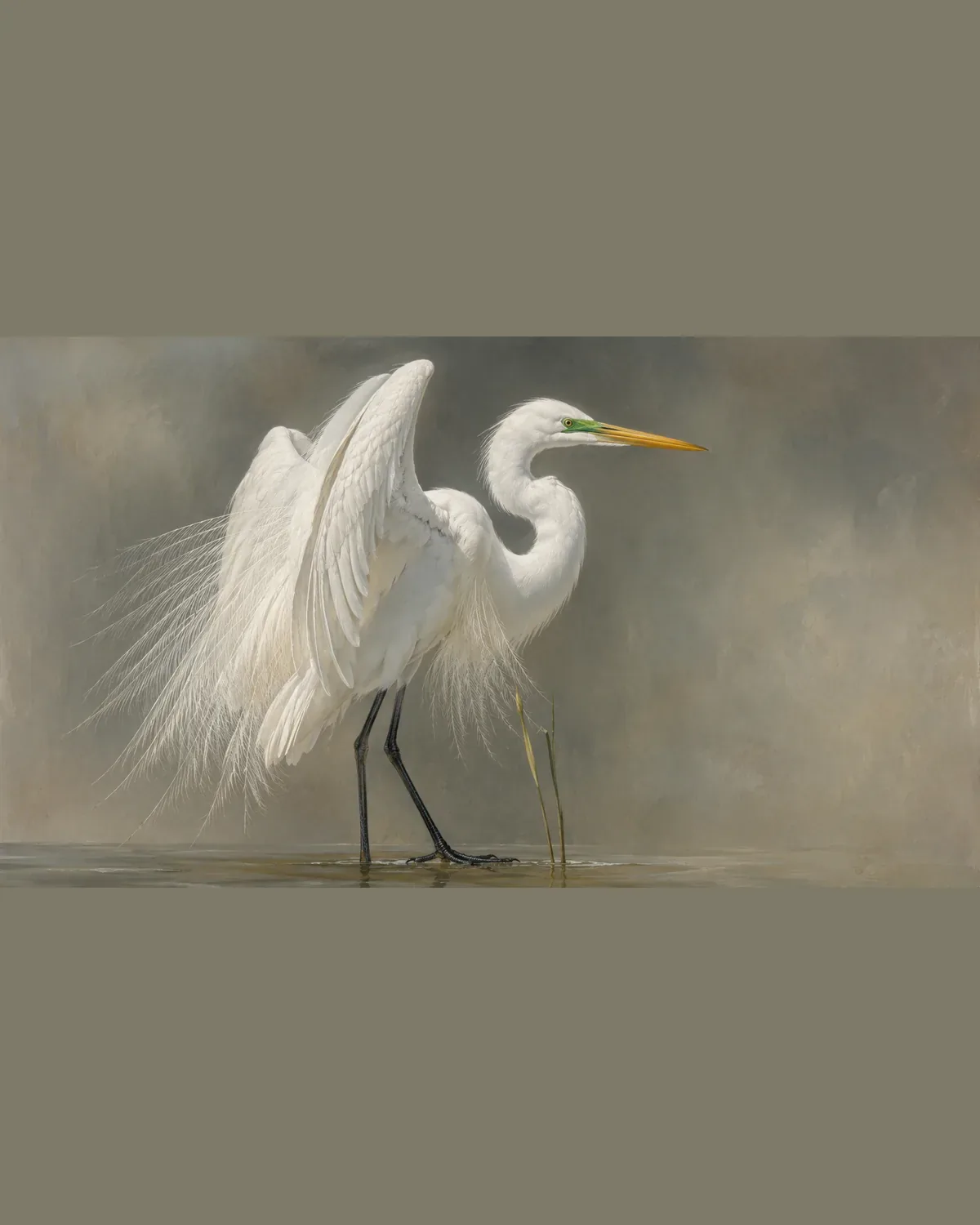
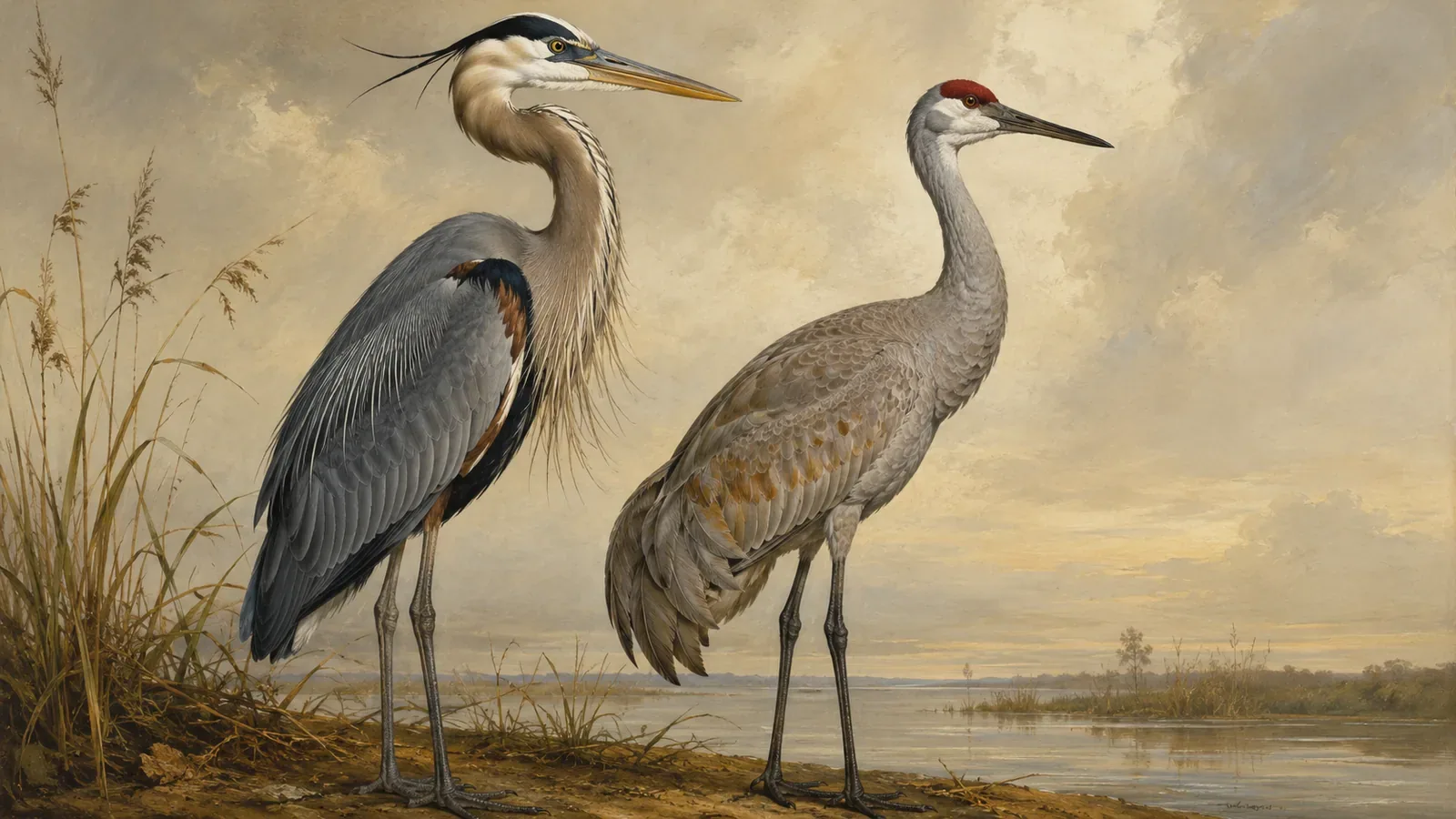
The single most common confusion is Great Blue Heron vs Sandhill Crane. Both are large, both are grey-blue, both stalk wetland edges.
If you see a flock, it is cranes. If you see a single bird at the edge of a pond, it is a heron.
American Bitterns are herons that have decided to specialise in not being seen. They stand vertically in reed beds with the bill pointed straight up, swaying slightly with the wind, and the streaky brown plumage merges with the vertical reeds. A field guide will tell you the bittern is “common.” Most birders will tell you they have heard the booming pump-er-lunk breeding call dozens of times without seeing the bird that made it.
If you have ever been certain you were hearing a small bullfrog in a marsh in May, you may have been listening to a bittern.
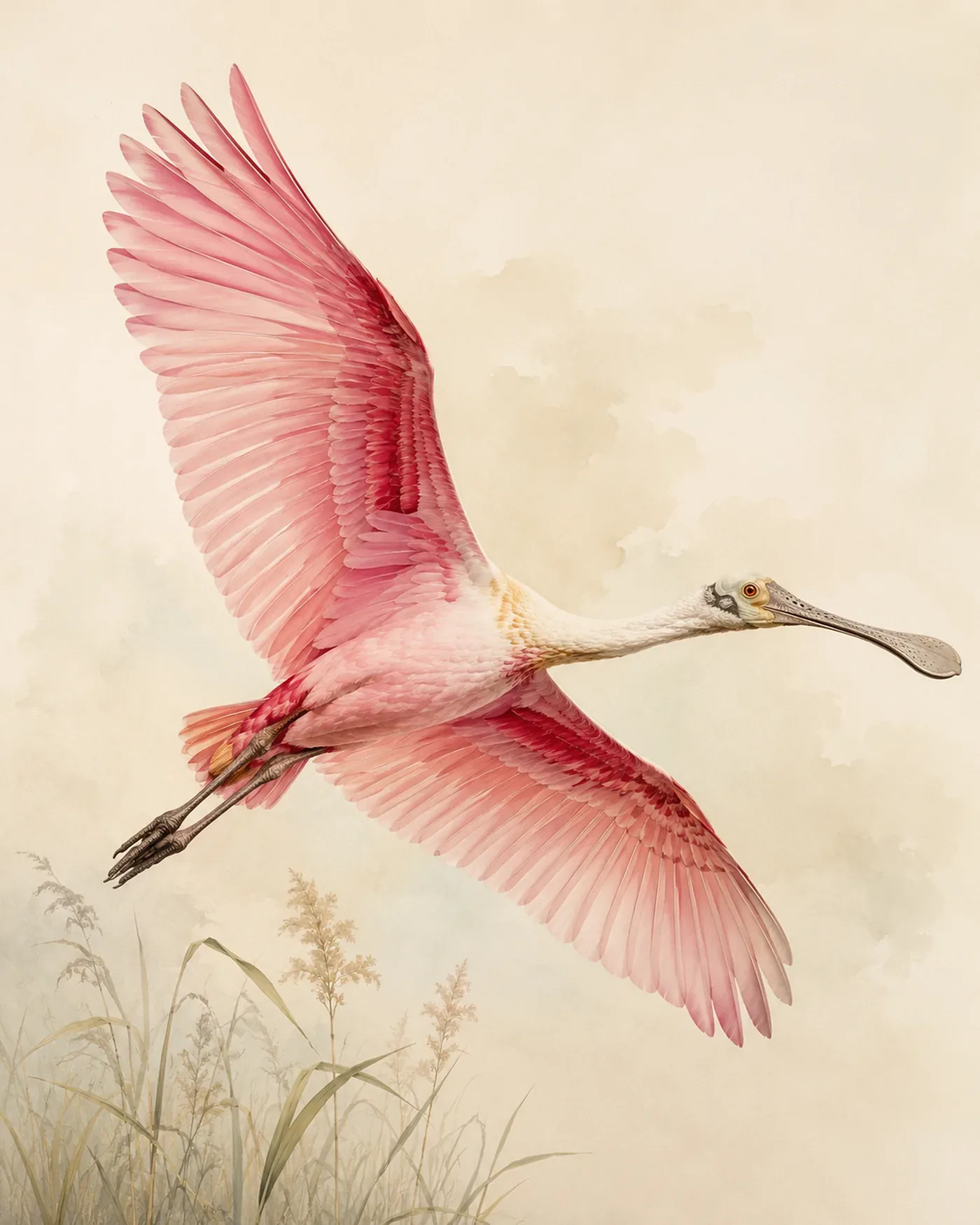
Once you have the neck-fold rule, you can sort a distant flying waterbird before you raise the binoculars. The neck position is the single most reliable family marker in the entire group. Plumage colour, leg colour, bill colour all vary and overlap. The neck does not. Every confusing group has one of these clean sorts, the way the bill rule sorts goldfinches from their lookalikes.
For the bird you keep meeting at the water’s edge, see the Great Blue Heron print. Its slate-blue plumage makes a quiet piece for a lake house or reading corner. The Great Egret print offers a paler companion. Both start at $39, with framed and unframed options.
From field guide to wall
See the birds from this guide as fine-art plates, printed to order and available framed or unframed.
Explore the collectionAs an Amazon Associate we earn from qualifying purchases. Linked products are ones we genuinely recommend.
 IdentificationBirds that look like crows (the tail test)
 IdentificationThe dinosaur in your back garden (and the one in your fridge)
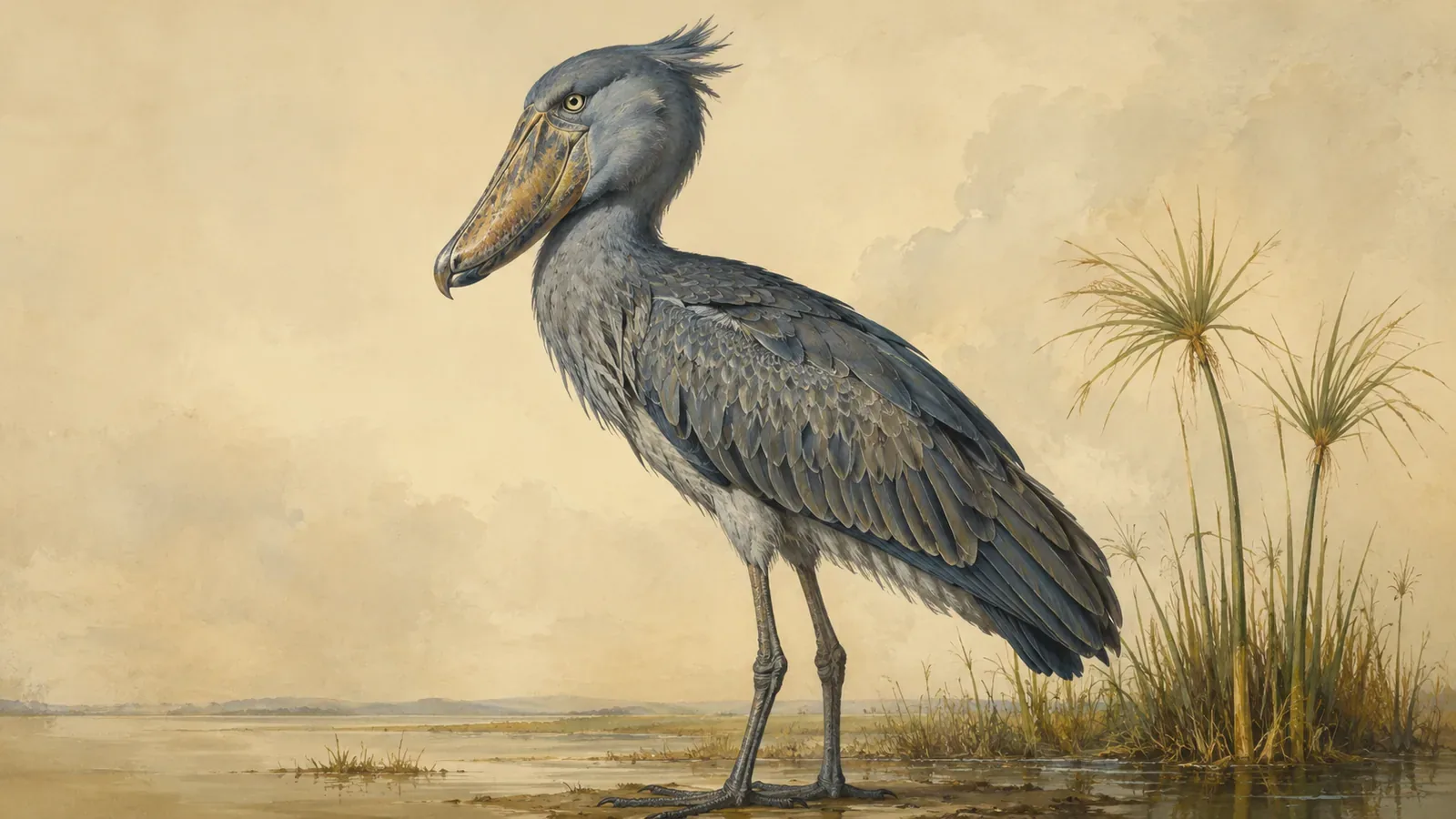 IdentificationThe birds that look like dragons
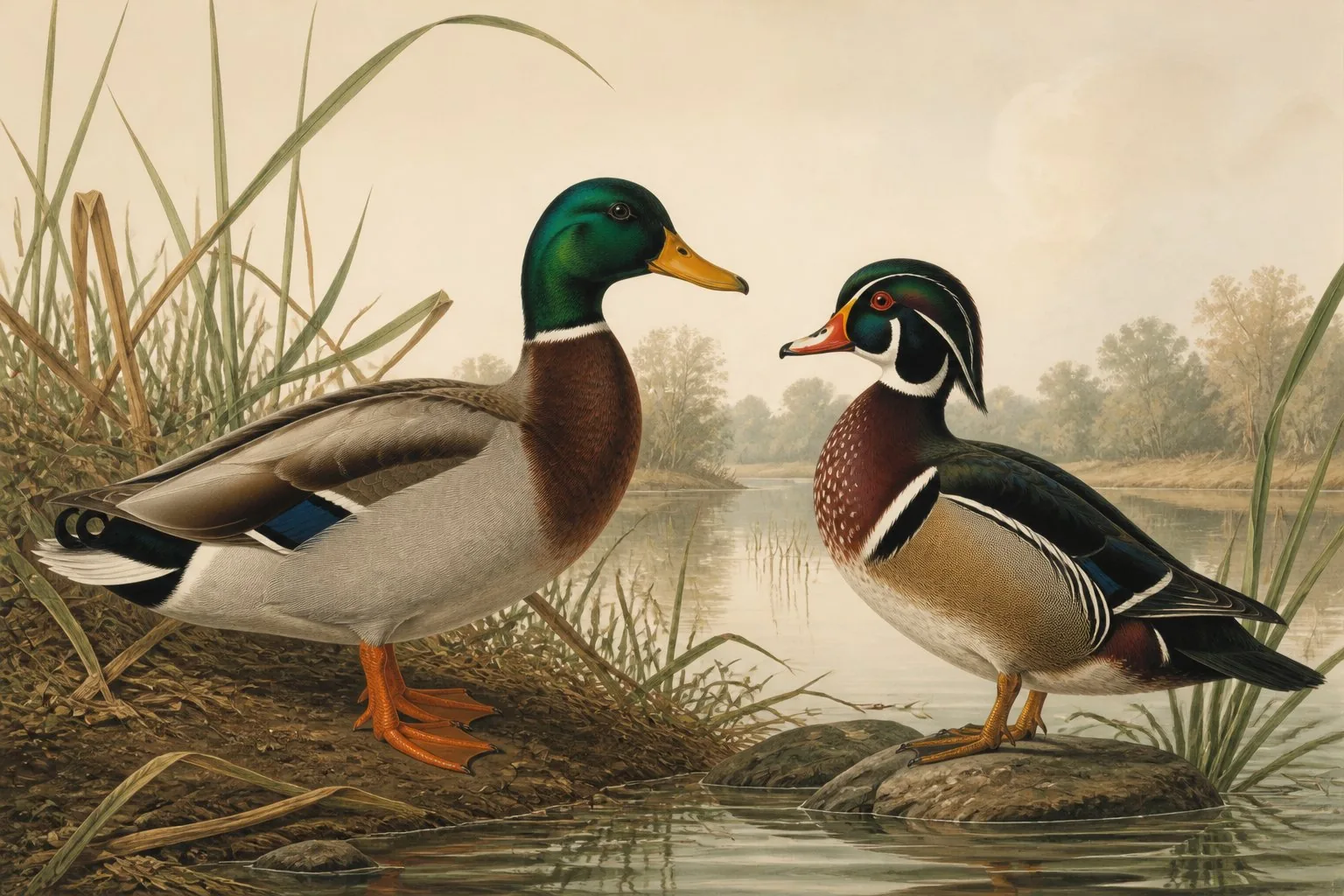 IdentificationBirds that look like ducks (but are not ducks)
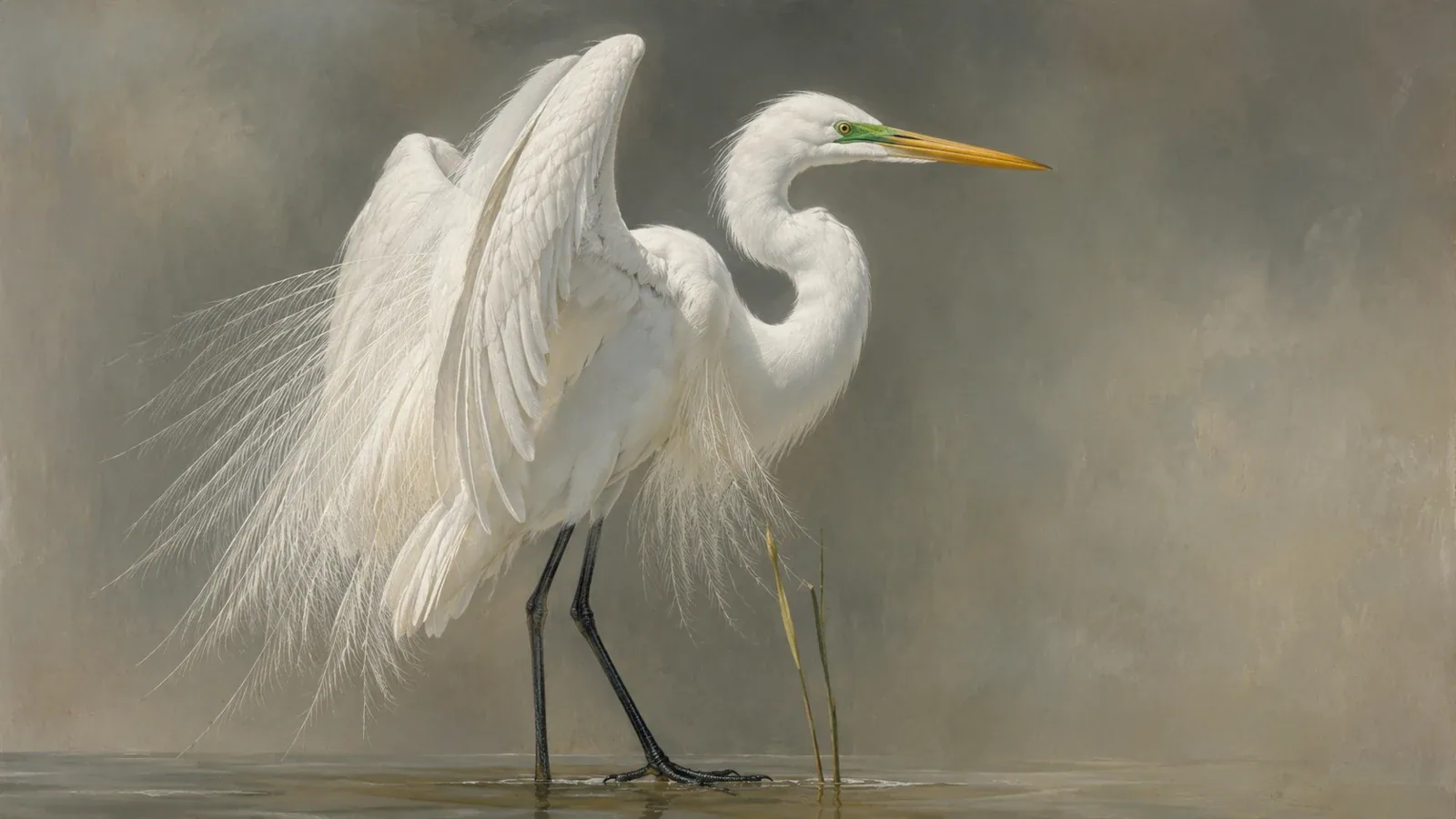 IdentificationBirds That Look Like Egrets
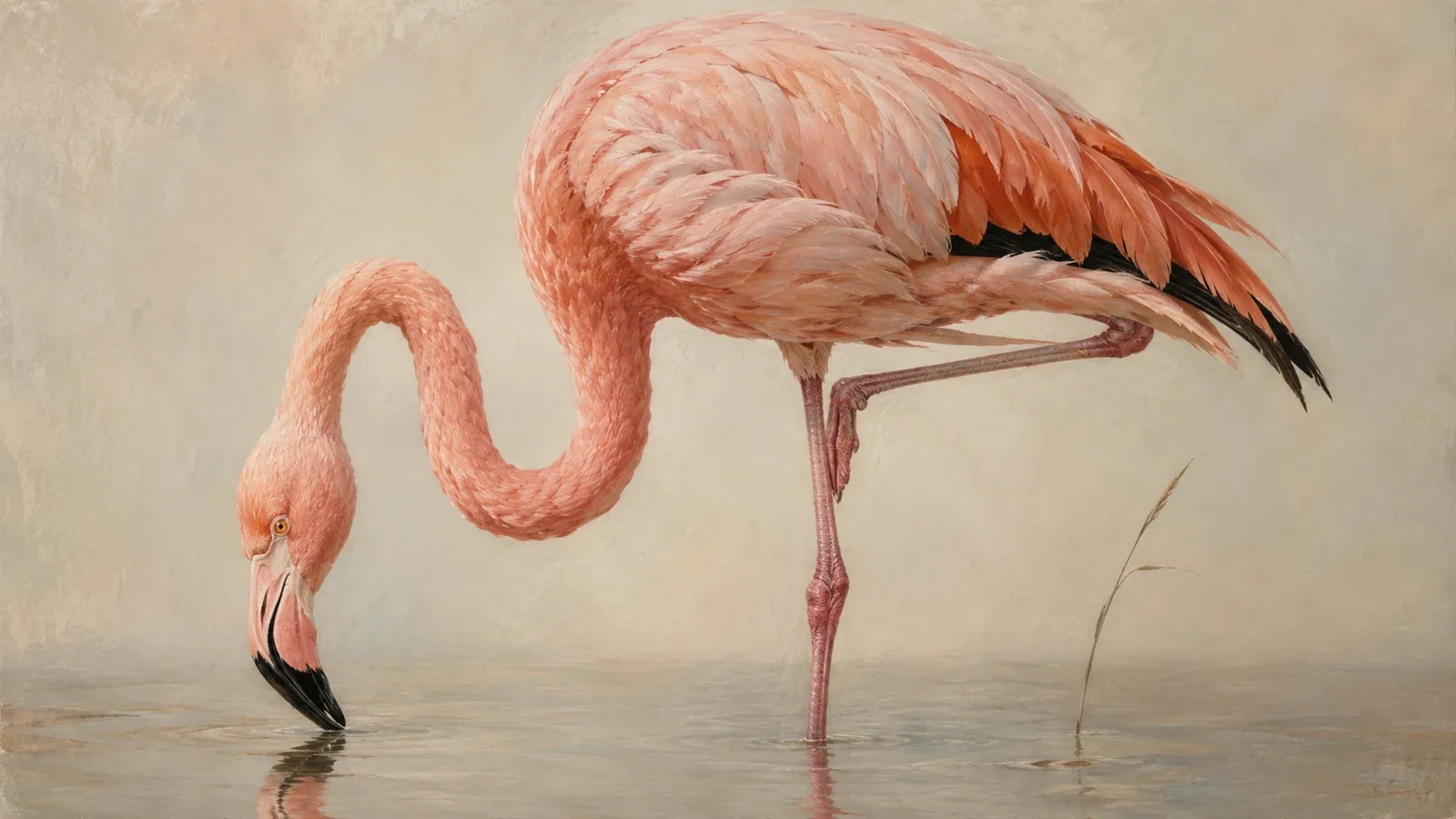 IdentificationBirds that look like flamingos (most are not flamingos)
 July 27, 2023
 5 min read