Free shipping to the US, Canada & Europe
Backyard
The two birds want different food, different feeders, different nest sites and different parts of your garden. The question is not whether they get along.
September 7, 2023 4 min read
The question assumes a conflict that mostly does not exist.
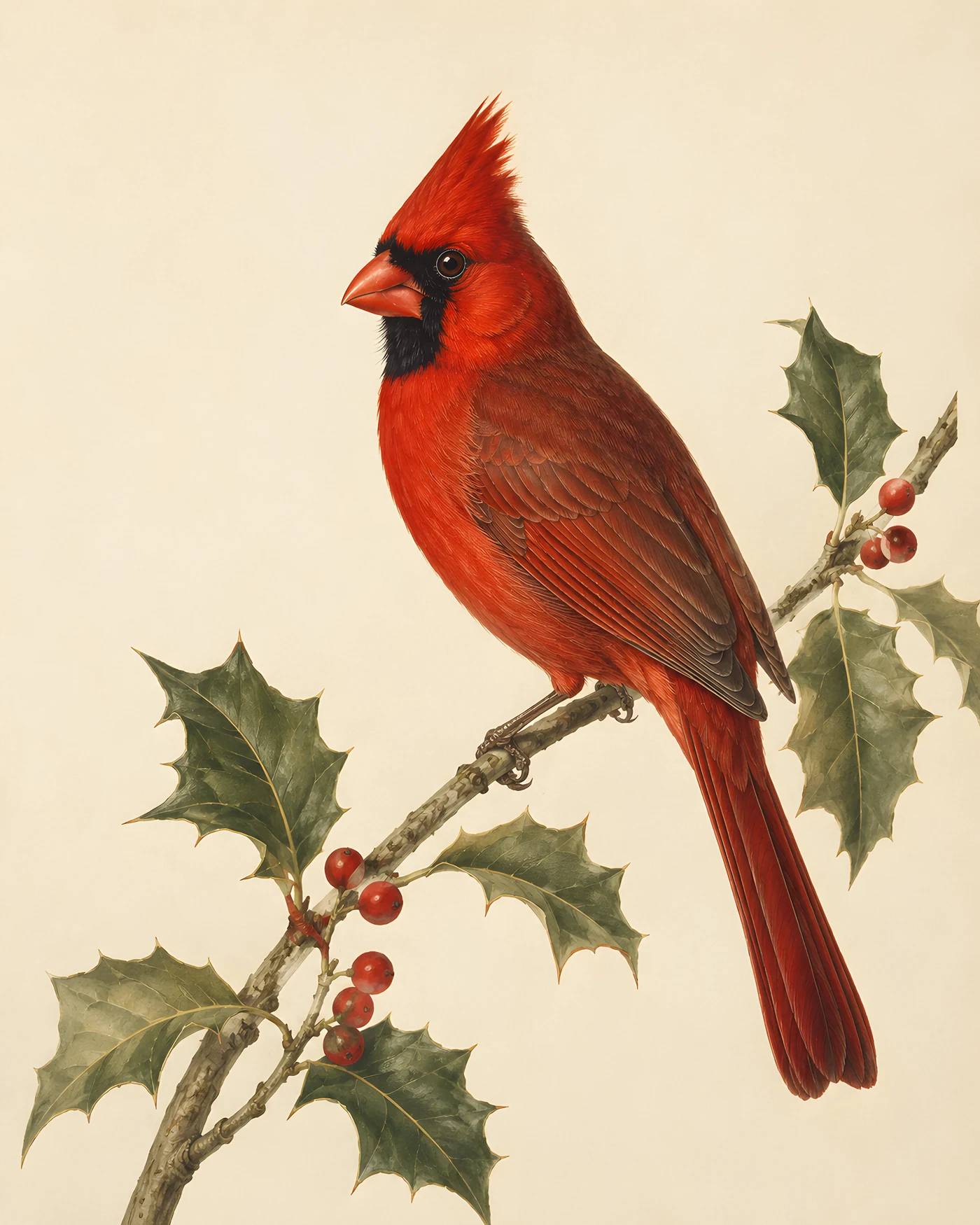
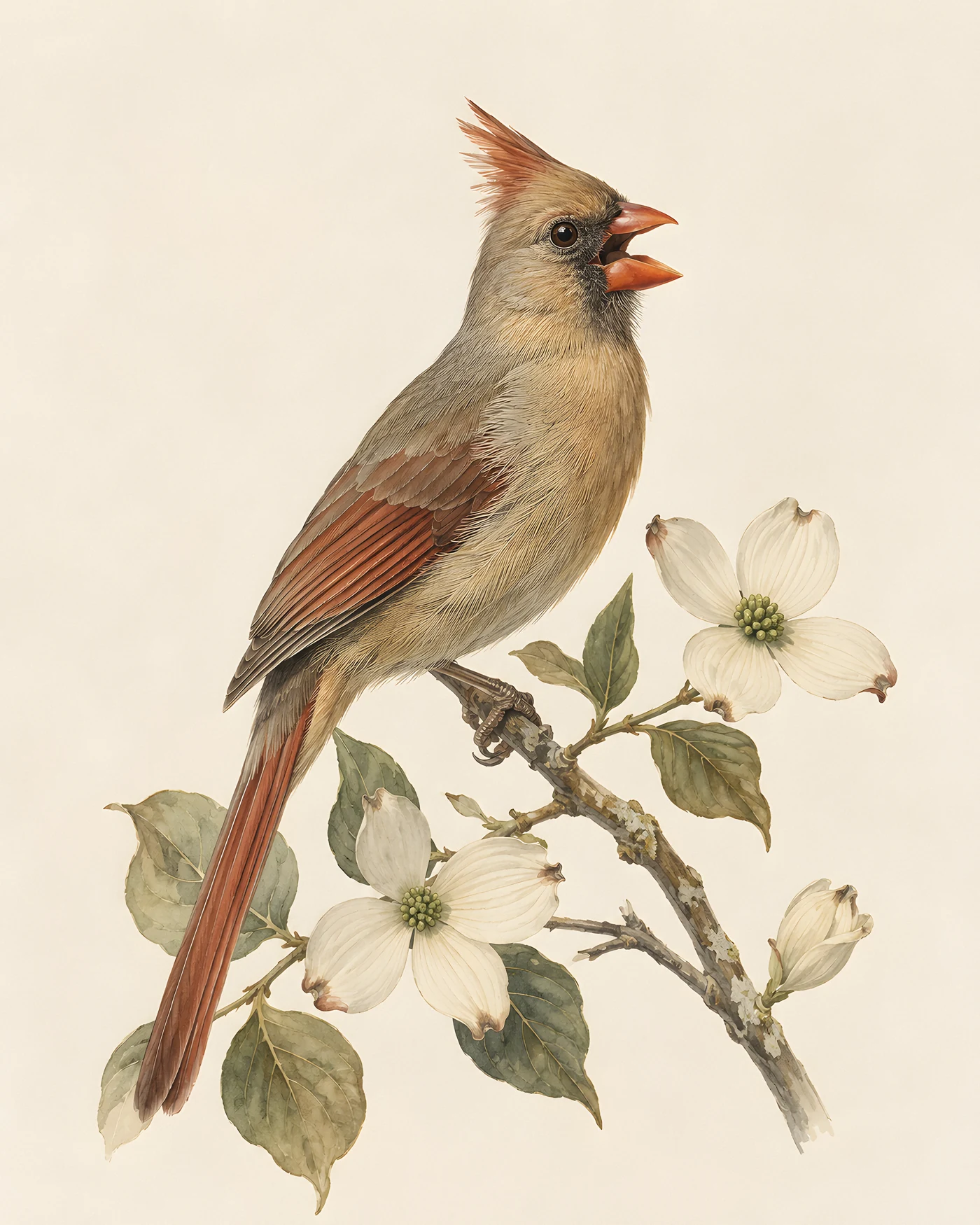
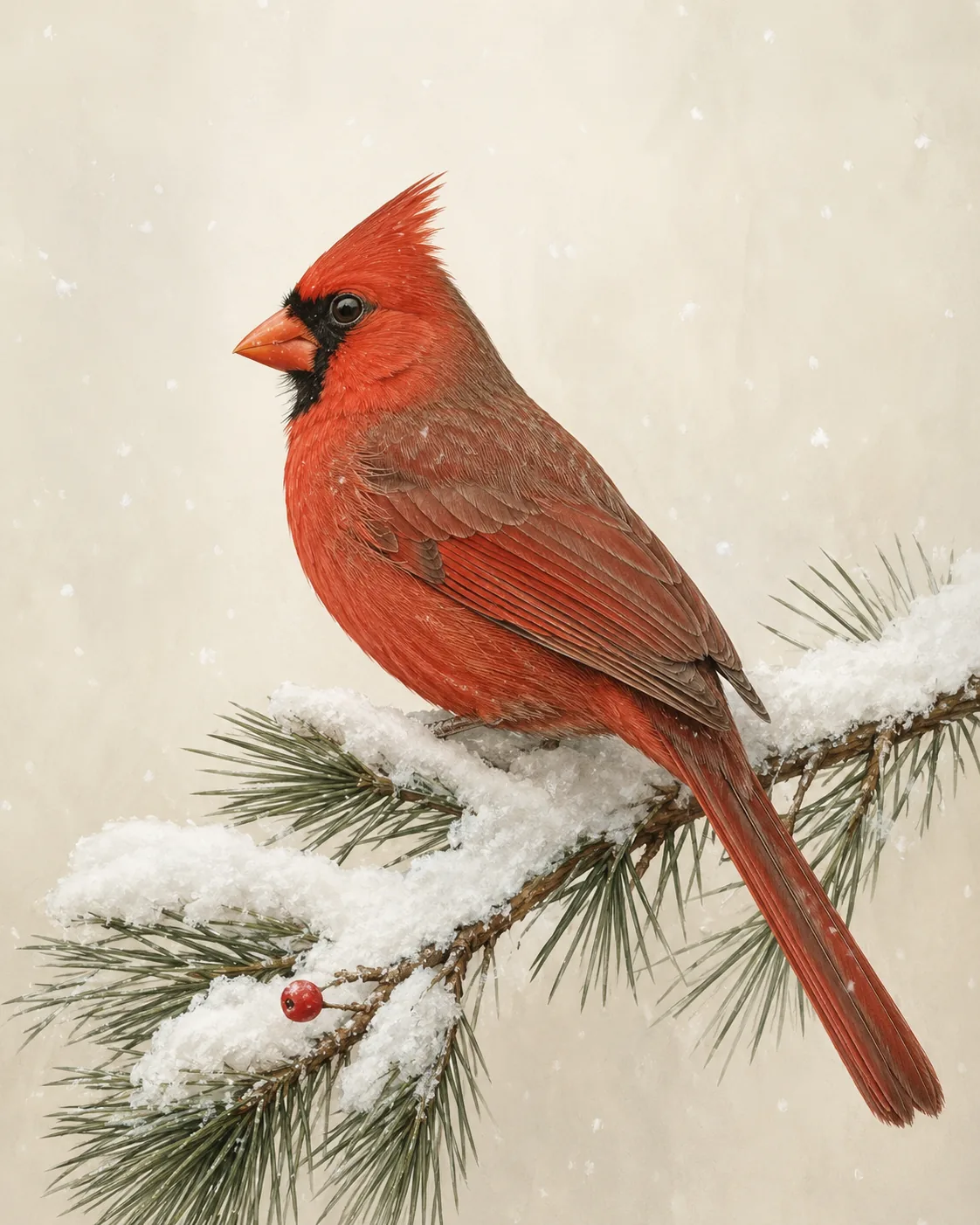
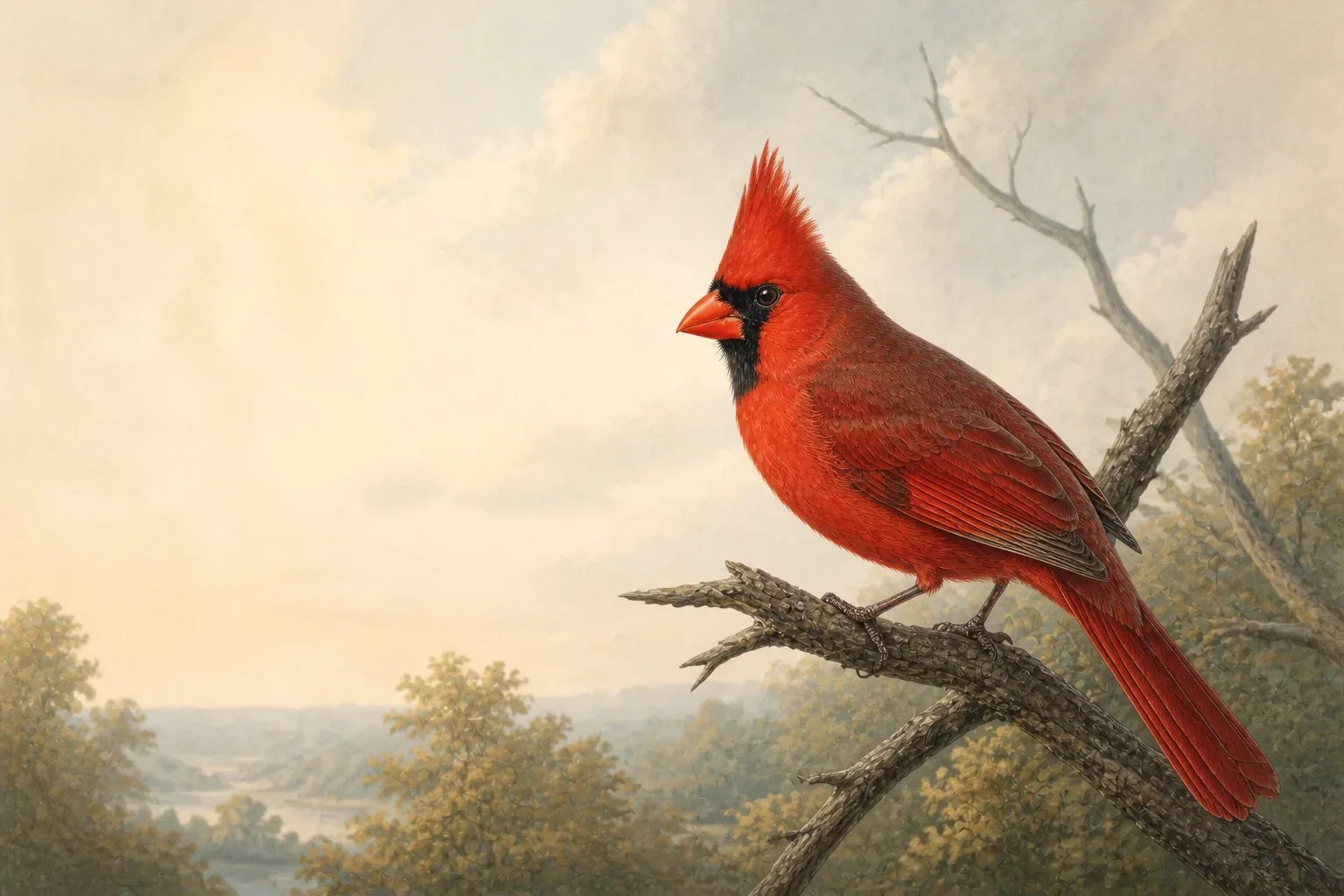
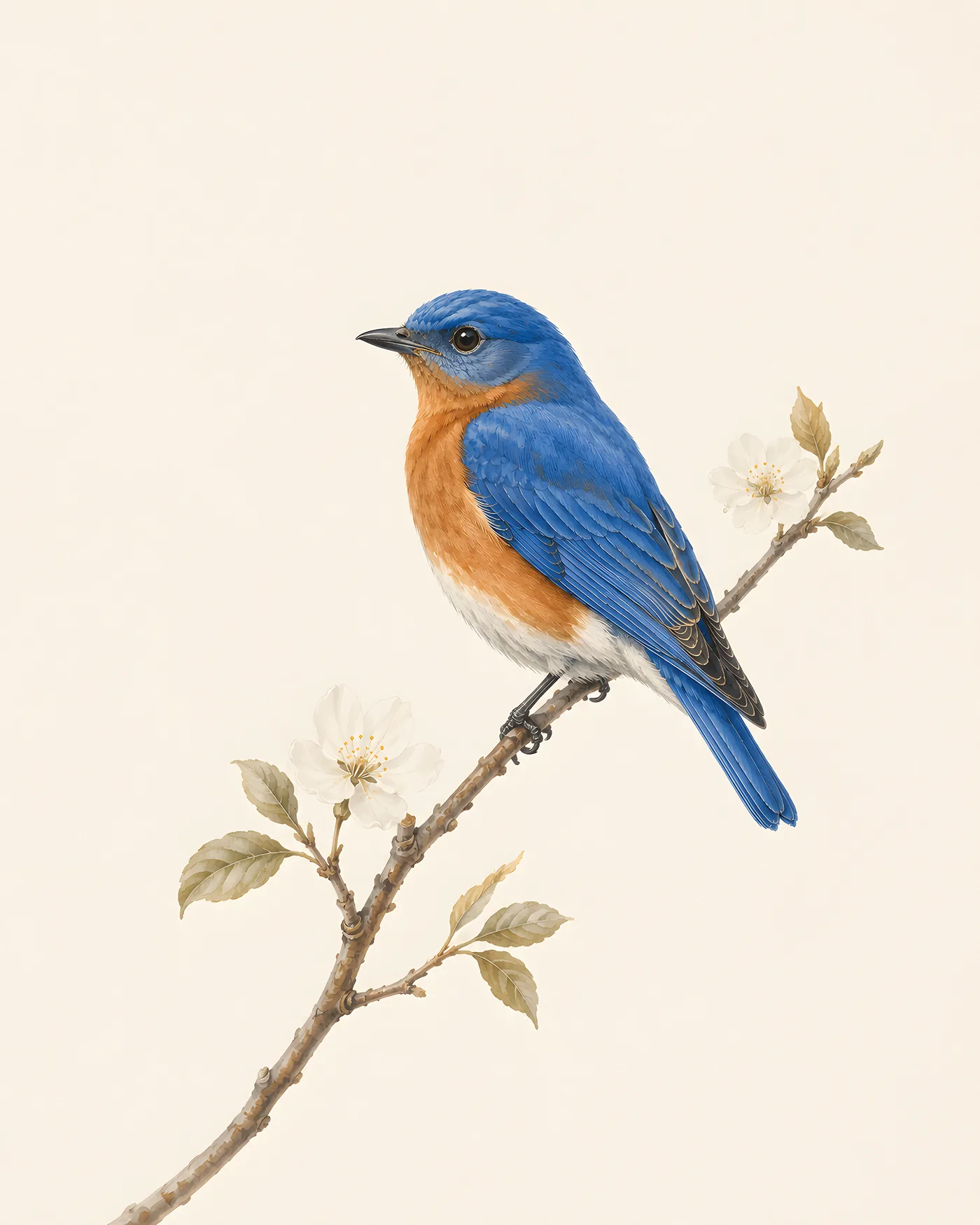
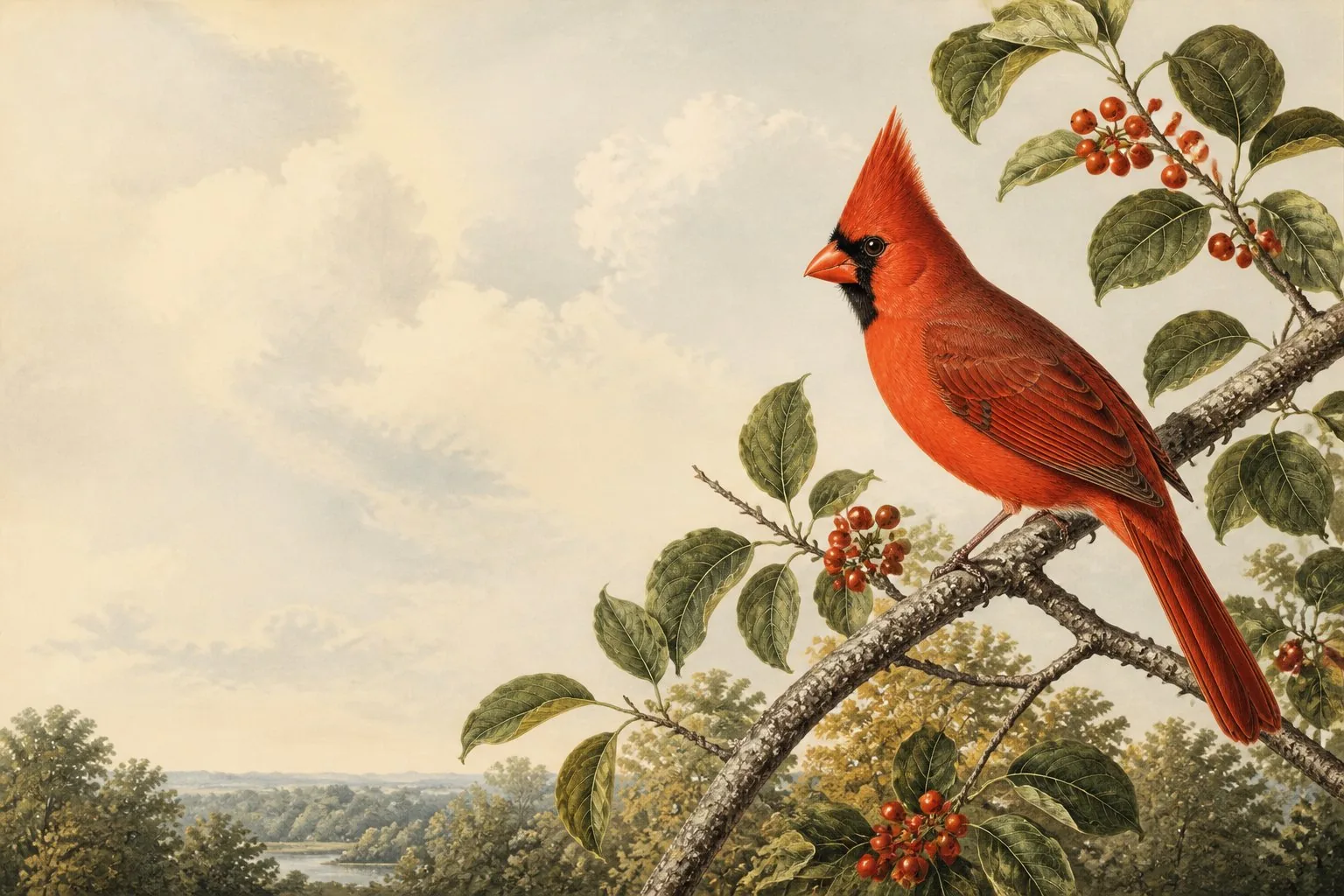
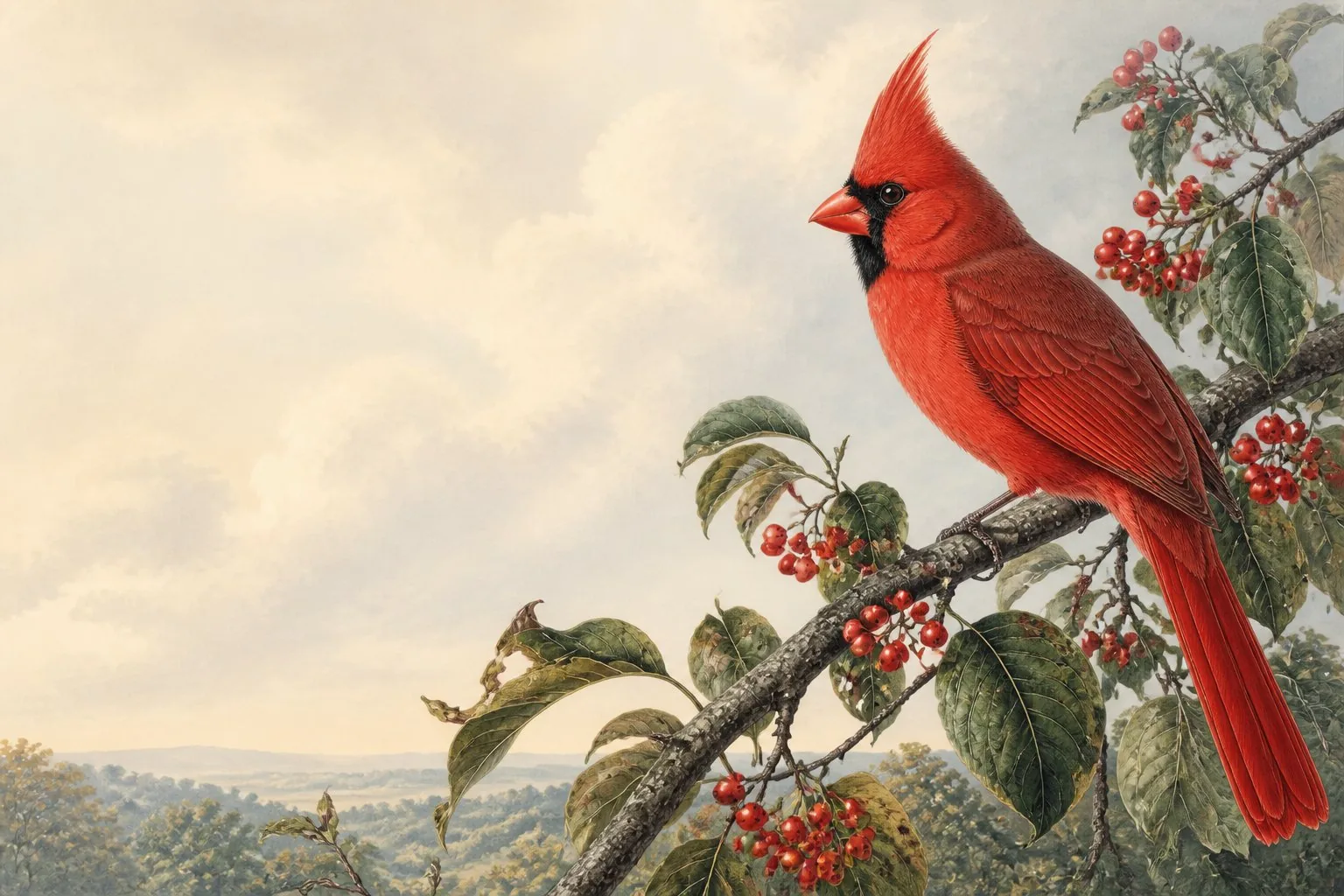
The Eastern Bluebird is a thrush. It eats insects from short turf in summer and small berries in winter. It nests in cavities. Its preferred feeder is a small platform with mealworms on it. The Northern Cardinal is, well, a cardinal. It eats seeds from heavy bills, builds open cup nests in shrubs, and prefers a hopper feeder with sunflower in it.
The two birds occupy the same garden the way two colleagues with different shifts share an office. They are not friends. They are also not rivals. They are operating in overlapping space at different times, on different food, with different goals.
| Need | Eastern Bluebird | Northern Cardinal |
|---|---|---|
| Habitat | Open grass with scattered trees, “park-like” | Dense shrub edge |
| Food | Insects and small berries | Seeds and fruit, plus insects when nesting |
| Feeder | Small platform with mealworms or fruit | Hopper or platform with sunflower or safflower |
| Nest | Cavity (natural or nest box, 3.8 cm hole) | Open cup in dense shrub, 1 to 4 m up |
| Aggression baseline | Low | Moderate during nesting season |
The structural reason they coexist is that almost nothing on either list overlaps. The cardinal does not want mealworms badly. The bluebird ignores sunflower. The cardinal will not enter a nest box. The bluebird will not nest in a holly bush.
The one true overlap is insects in summer. Both birds take large numbers of beetles, caterpillars and grasshoppers during nesting. But they hunt in different patches: the bluebird drops to short turf from a low perch, the cardinal forages in shrubs and tangles. Even the shared resource is divided by stratum.
Three scenarios are real, and worth knowing.
Outside these windows the two birds will share a yard for a decade without incident.
The single best gardening decision for both species is to plant the layers separately.
Separate the feeders. Mealworms on a small platform near the open turf for the bluebird. Sunflower in a hopper near the shrub edge for the cardinal. Water somewhere central, ideally a shallow ground-level bath - both birds will use it.
The nest infrastructure is also separable. Put up a bluebird box facing the open turf, mounted on a smooth metal pole with a baffle. Leave the dense shrubs alone for the cardinal. Neither will use the other’s accommodation.
No. The Eastern Bluebird is a thrush (family Turdidae, same family as the American Robin). The Northern Cardinal is a cardinal (family Cardinalidae). They are about as closely related as a dog and a goat. They cannot interbreed.
If you are designing a garden for both species, you can stop worrying about conflict and start thinking about layers. The two birds have different requirements that are easy to provide in parallel because they barely overlap. The genuine constraint is the predator landscape - free-roaming cats will eliminate both species from your yard within a season - not the relationship between the birds.
From field guide to wall
See the birds from this guide as fine-art plates, printed to order and available framed or unframed.
Explore the collectionAs an Amazon Associate we earn from qualifying purchases. Linked products are ones we genuinely recommend.

 September 7, 2023
 4 min read