



State connection
North Carolina is the only US state whose bird list comfortably includes alpine breeders, Appalachian endemics, longleaf pine specialists and Caribbean strays.
Free shipping to the US, Canada & Europe
North Carolina's state bird
North Carolina is the only US state whose bird list comfortably includes alpine breeders, Appalachian endemics, longleaf pine specialists and Caribbean strays.
North Carolina is the only US state whose bird list comfortably includes alpine breeders, Appalachian endemics, longleaf pine specialists and Caribbean strays.
 Birds of North Carolina printBirds by StateFrom $39Print · Framed · Digital
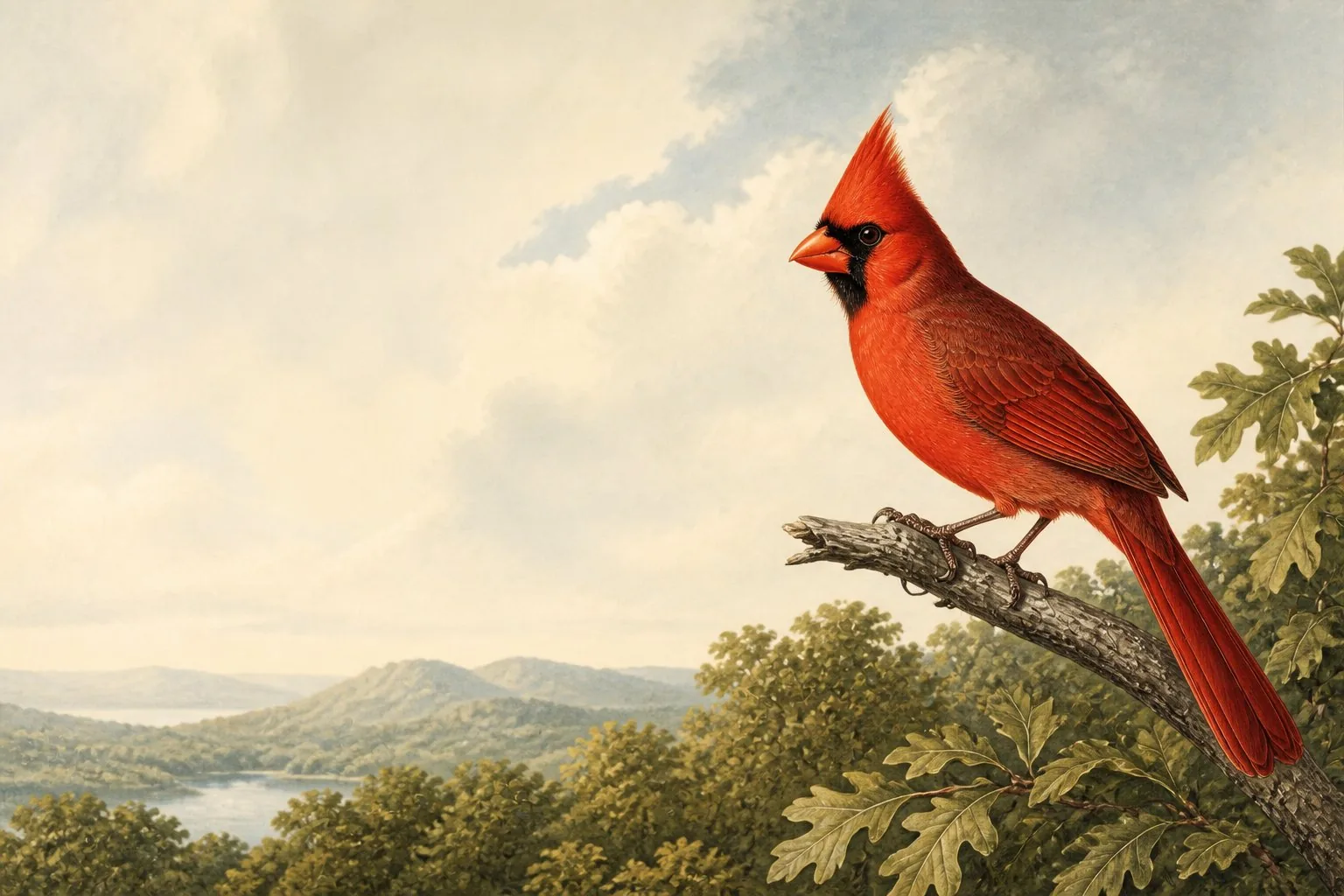
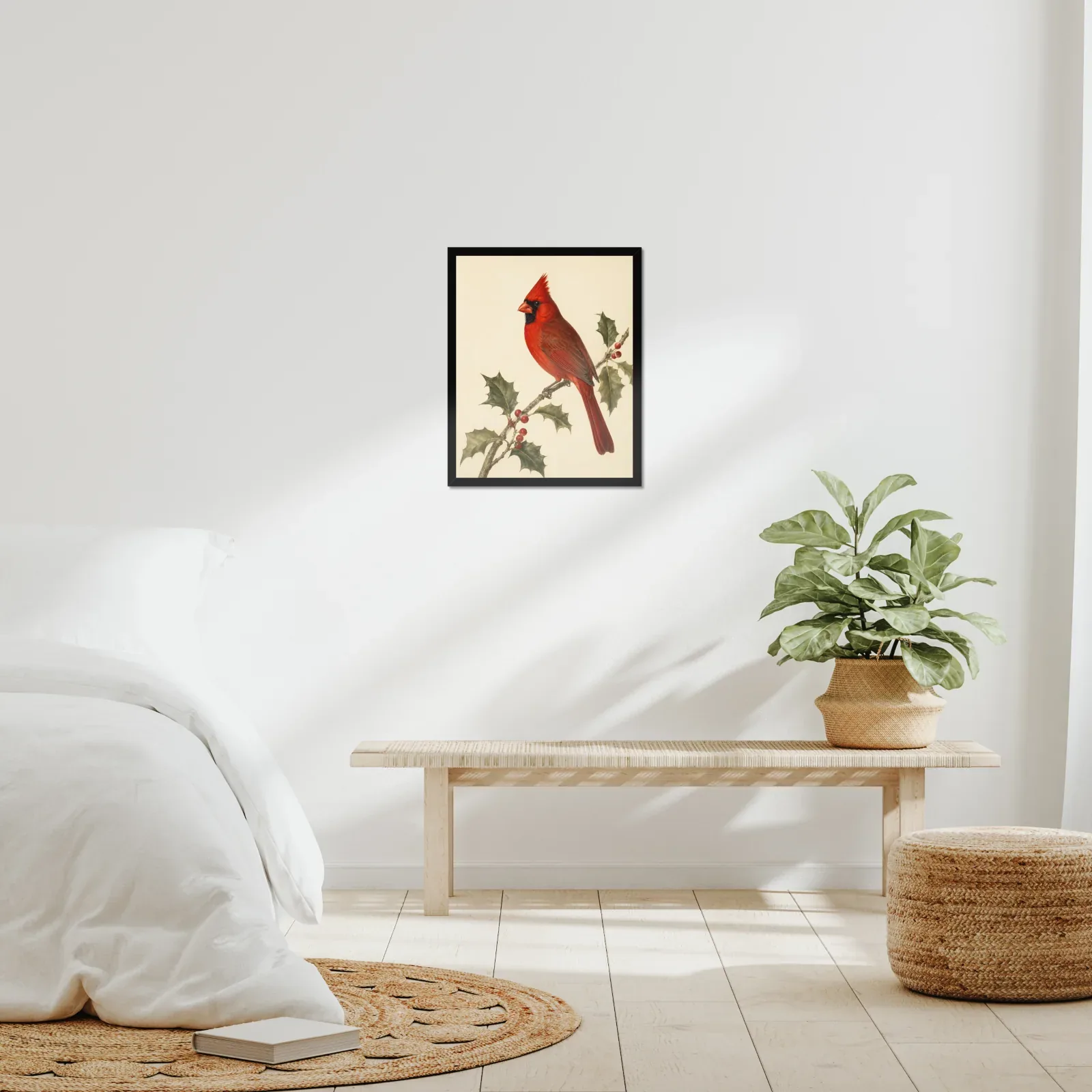
 Northern Cardinal Print - Male PerchedCardinalsFrom $39Print · Framed · Digital
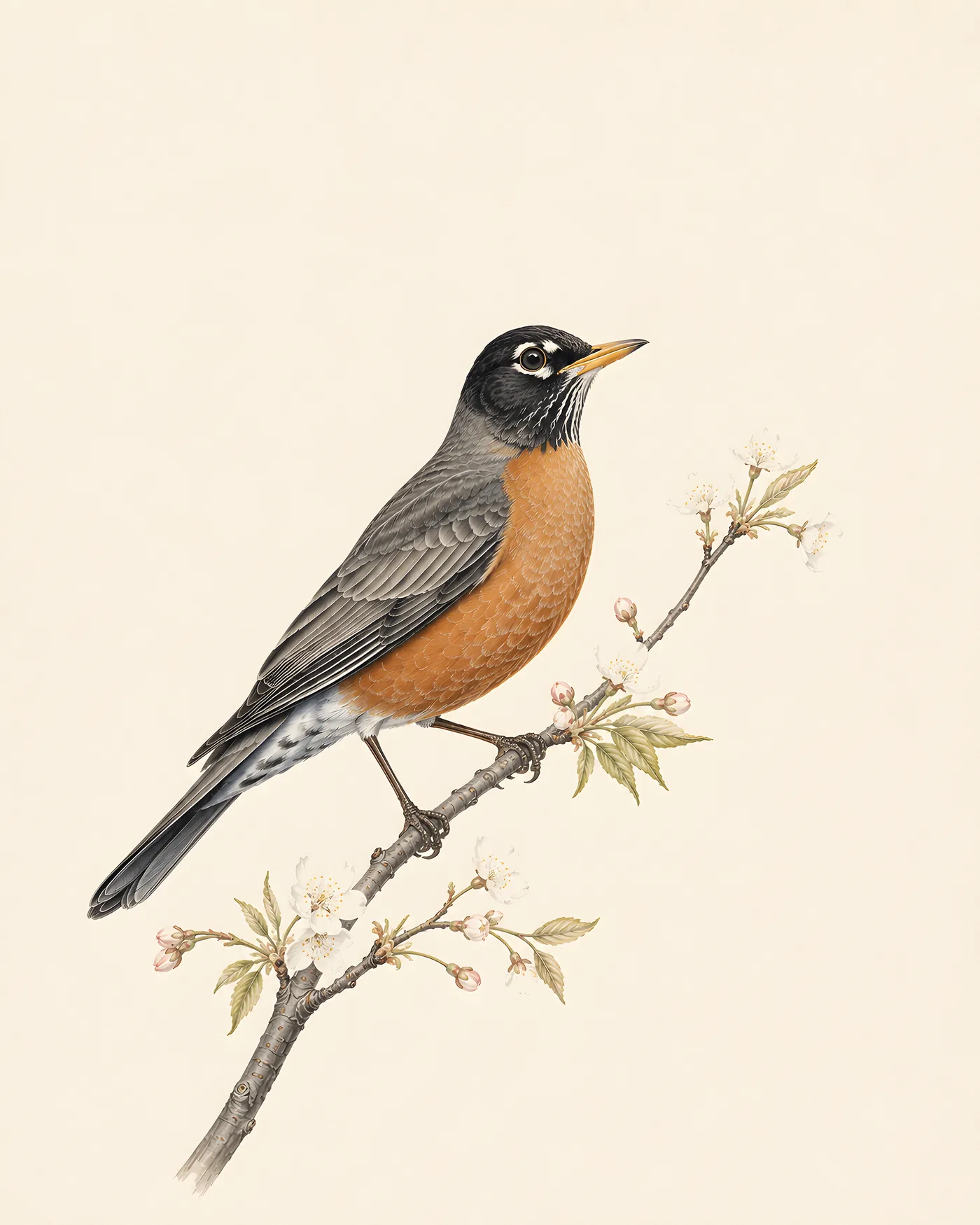 American Robin PrintBackyard & SongbirdsFrom $39Print · Framed · Digital
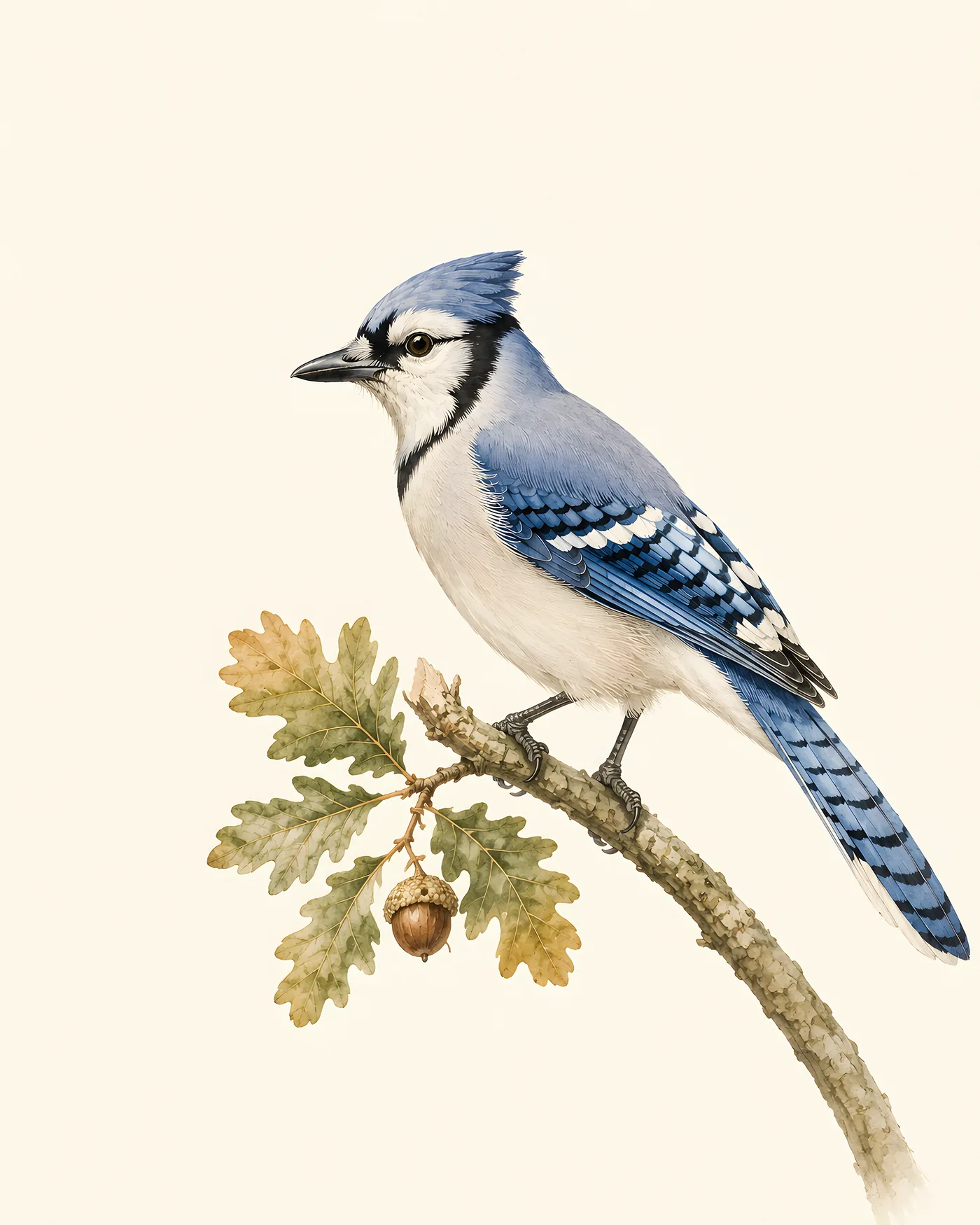 Blue Jay Print on OakJays, Crows & CorvidsFrom $39Print · Framed · Digital
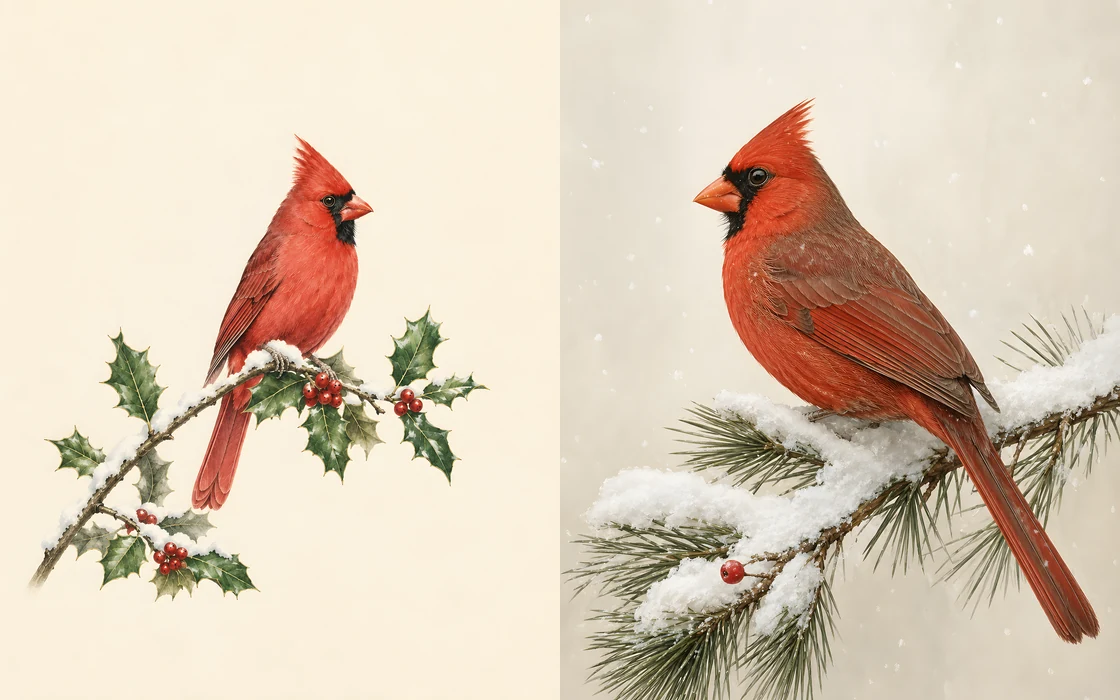 Christmas Cardinal PairCardinalsFrom $69Print
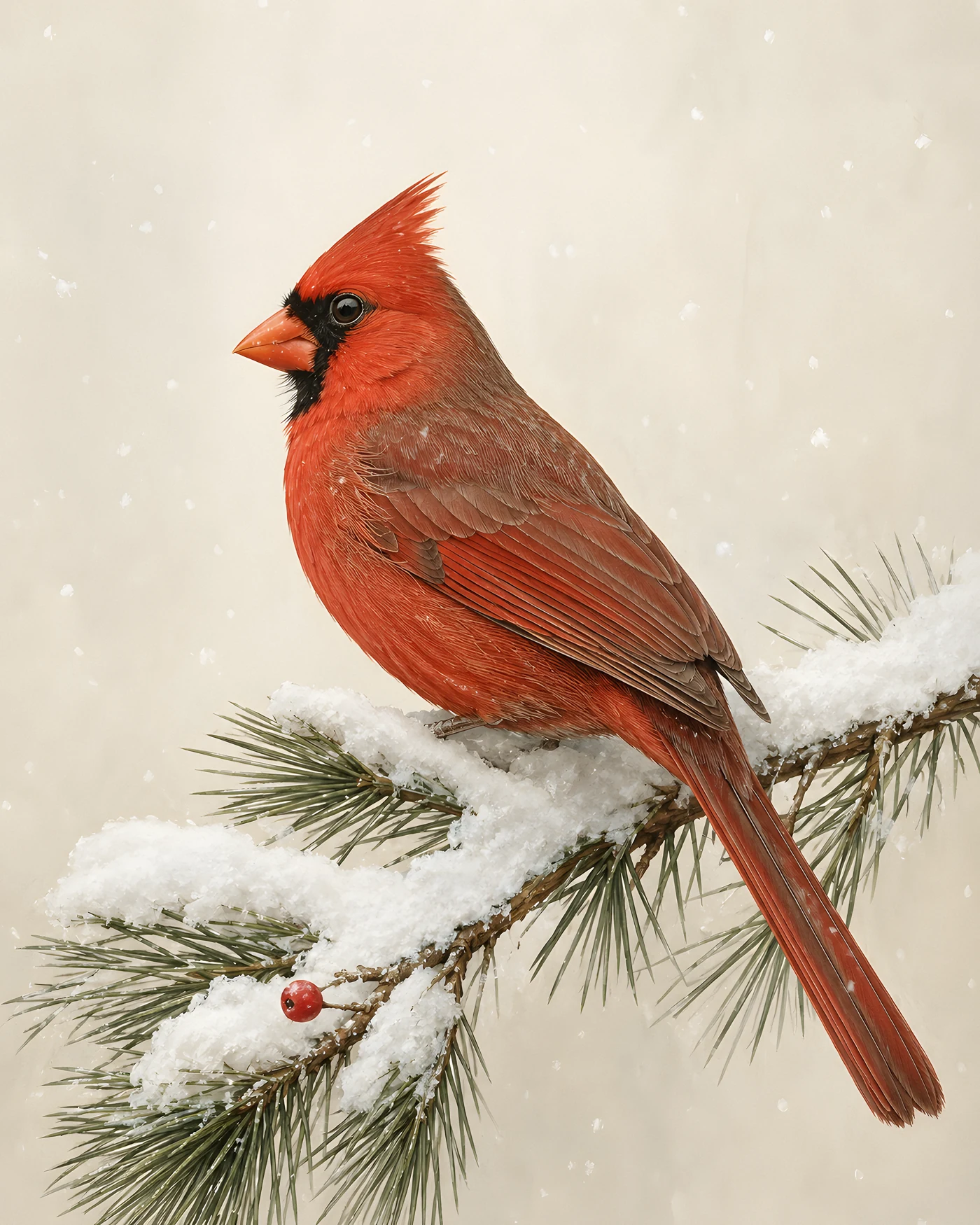 Cardinal in the Snow PrintCardinalsFrom $39Print · Framed · Digital
North Carolina is the most ecologically varied state on the US east coast. The eastern edge is the Outer Banks - barrier islands, salt marsh, brackish sounds. The piedmont in the middle is rolling hardwood-and-pine. The western edge is the Blue Ridge Mountains and the Great Smoky Mountains, with peaks above 2,000 metres. The state’s bird list runs to over 470 species and includes alpine breeders, southern coastal specialists, Appalachian endemics, and the occasional Caribbean stray pushed north by tropical storms.
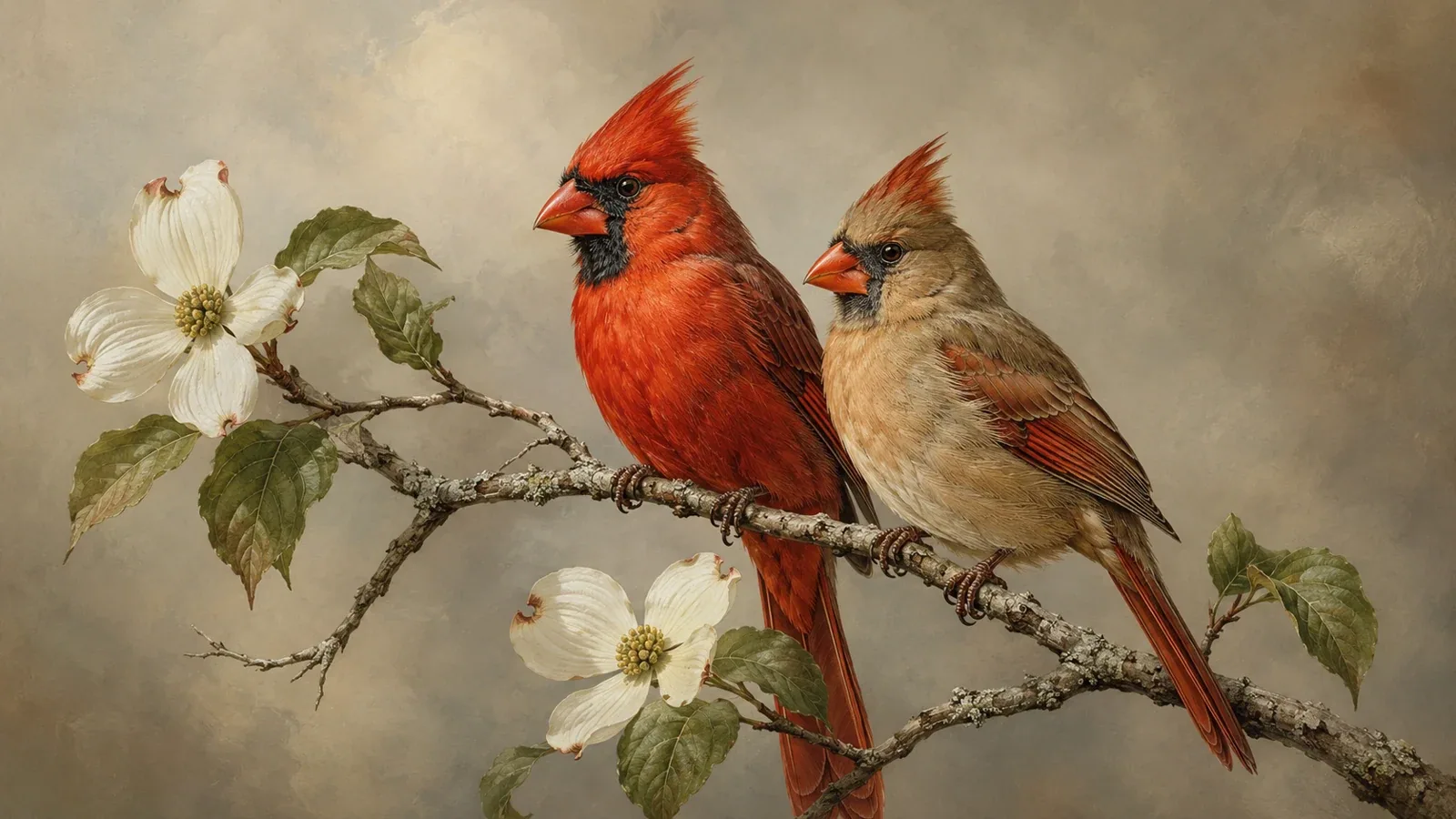
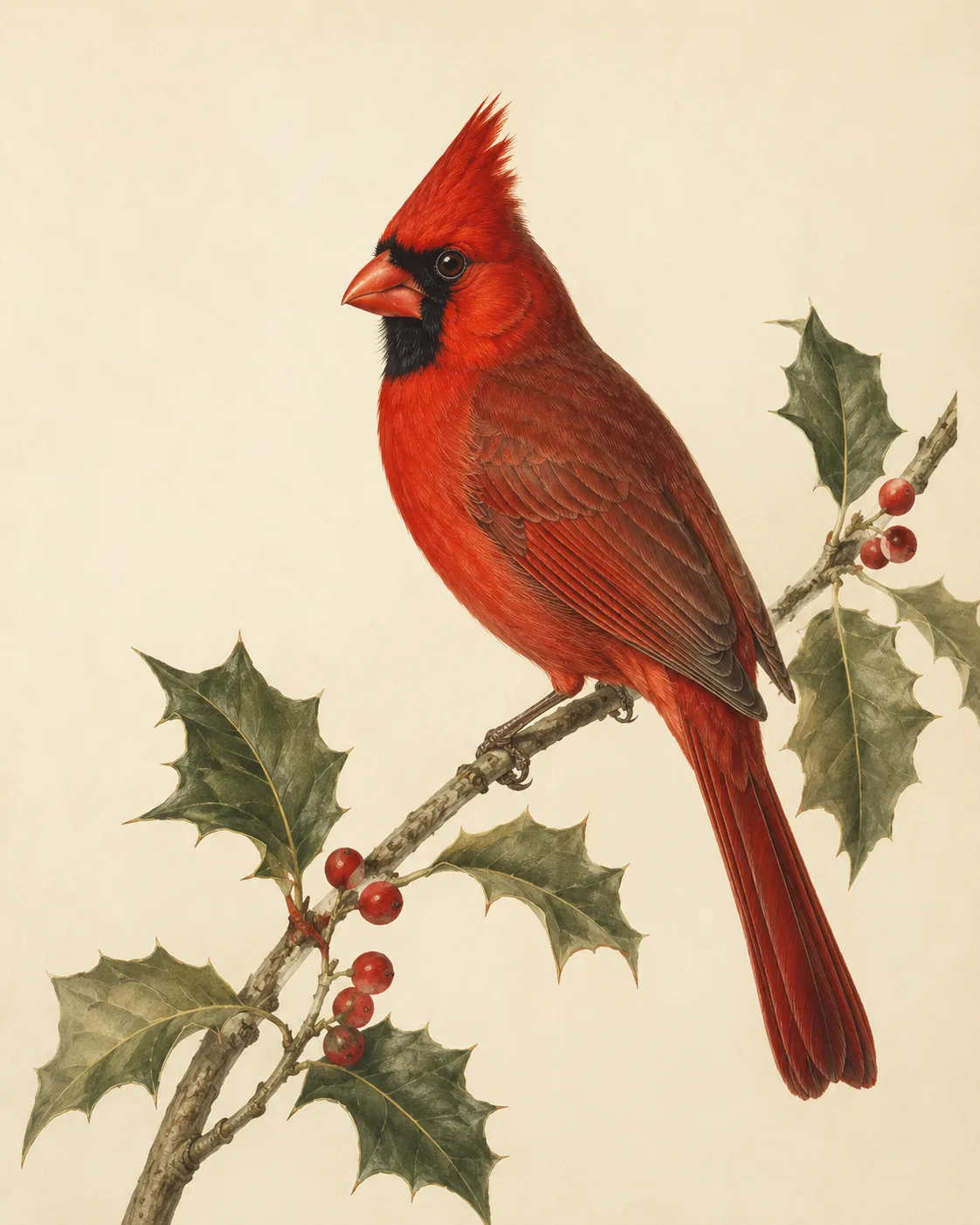
The Northern Cardinal was adopted as the state bird in 1943, the fifth cardinal-state-bird state after Kentucky (1926), Illinois (1929), Ohio (1933) and Indiana (1933). The cardinal is a year-round resident in every county of North Carolina, from the Cape Hatteras lighthouse to the summit of Mount Mitchell. The bird is at his densest in the suburban piedmont (Raleigh, Charlotte, Greensboro, Winston-Salem), where suburban gardens with native shrub cover and feeder networks have built one of the highest cardinal densities in the country.
Beyond the cardinal:
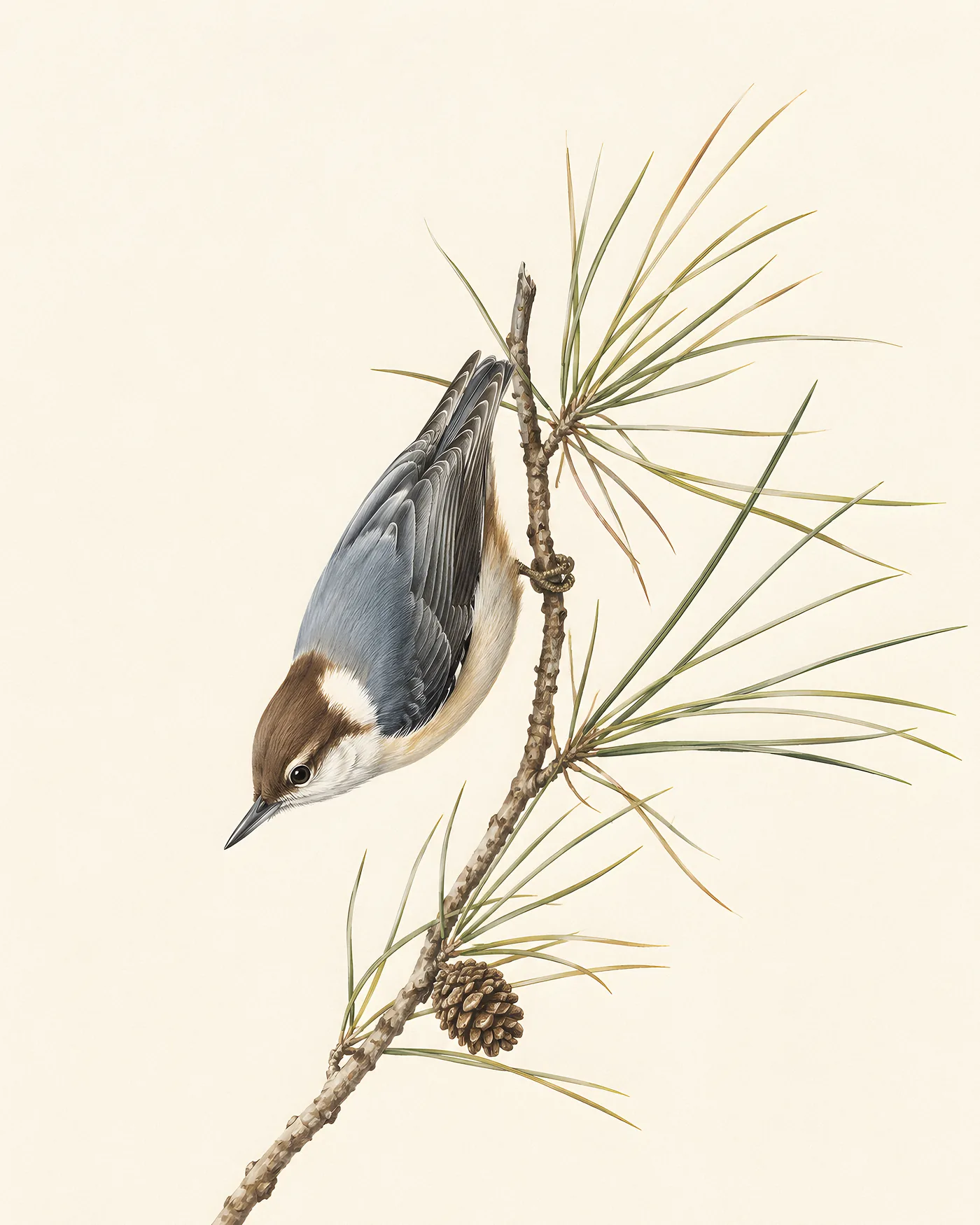
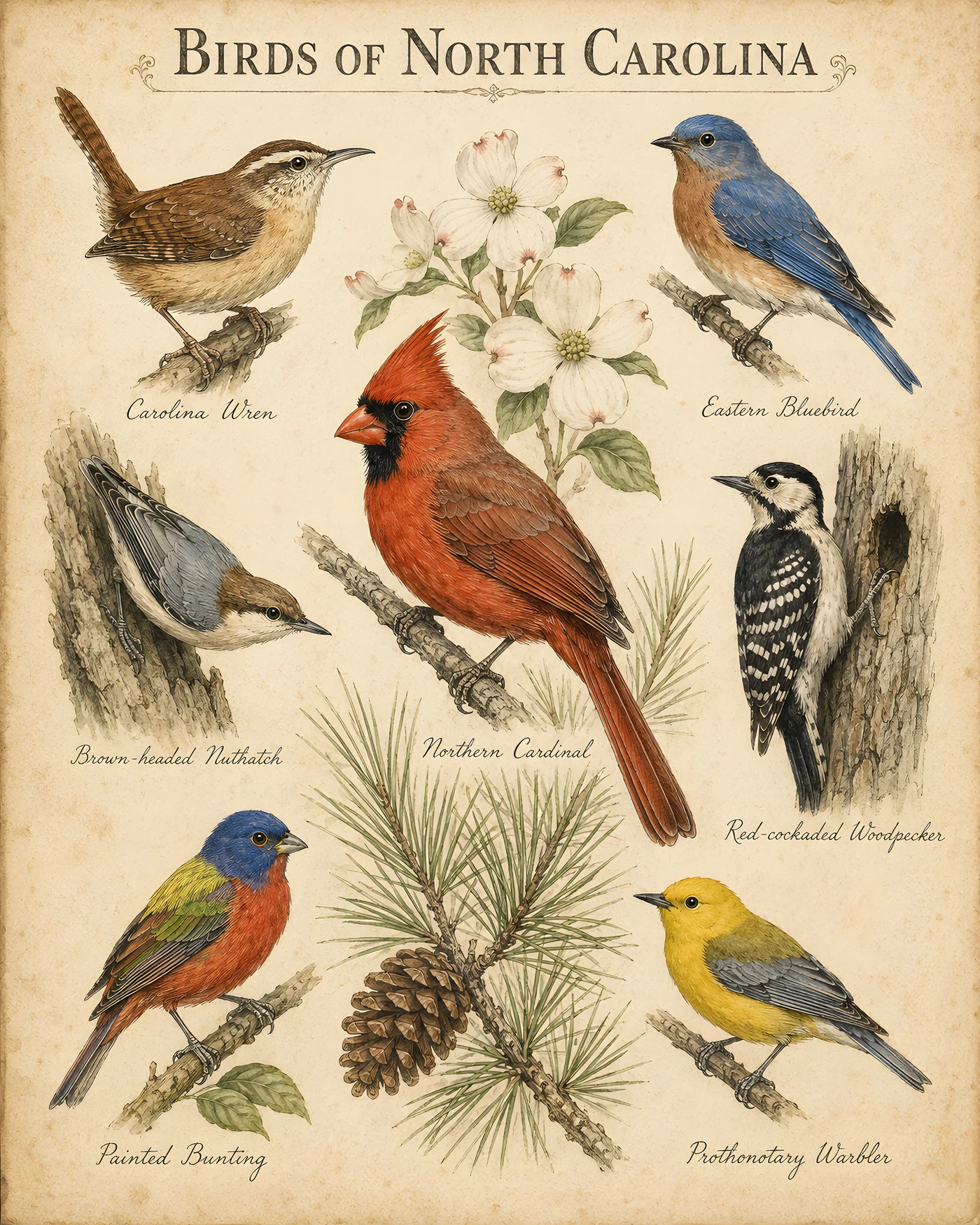
Brown-headed Nuthatch is the longleaf pine specialist of the southeastern coastal plain. Small, brown-capped, with a sharp toy-trumpet call. The species is in slow decline with the loss of mature pine savanna but still holds across the Sandhills and lower coastal plain.
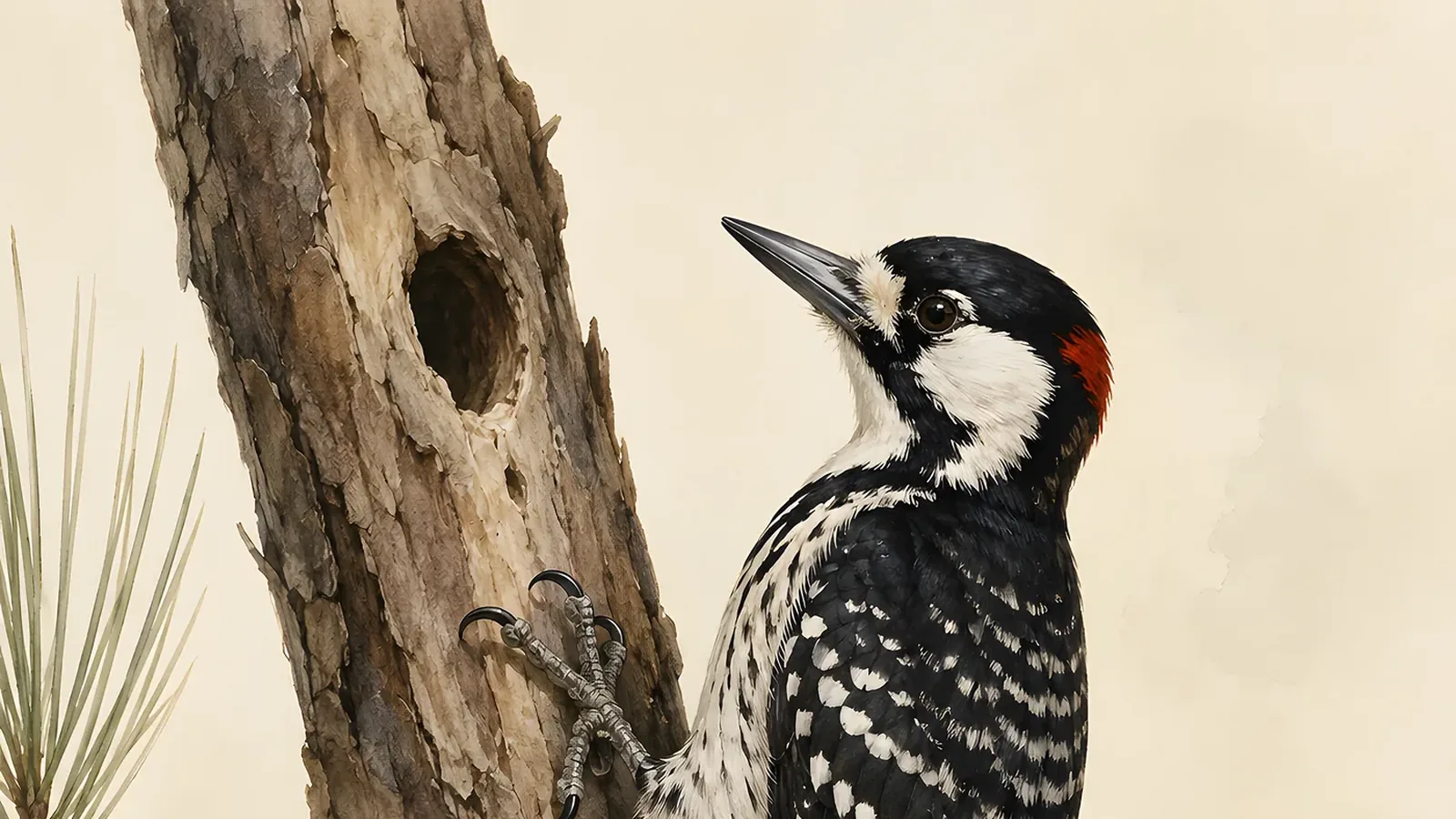
Red-cockaded Woodpecker is North Carolina’s federally listed endangered species and one of the most-protected birds in the southern US. The species excavates nest cavities in living mature longleaf pines, a habitat that has been almost entirely replaced by industrial pine plantations. The Sandhills Game Land and Croatan National Forest hold breeding clusters that are individually monitored.
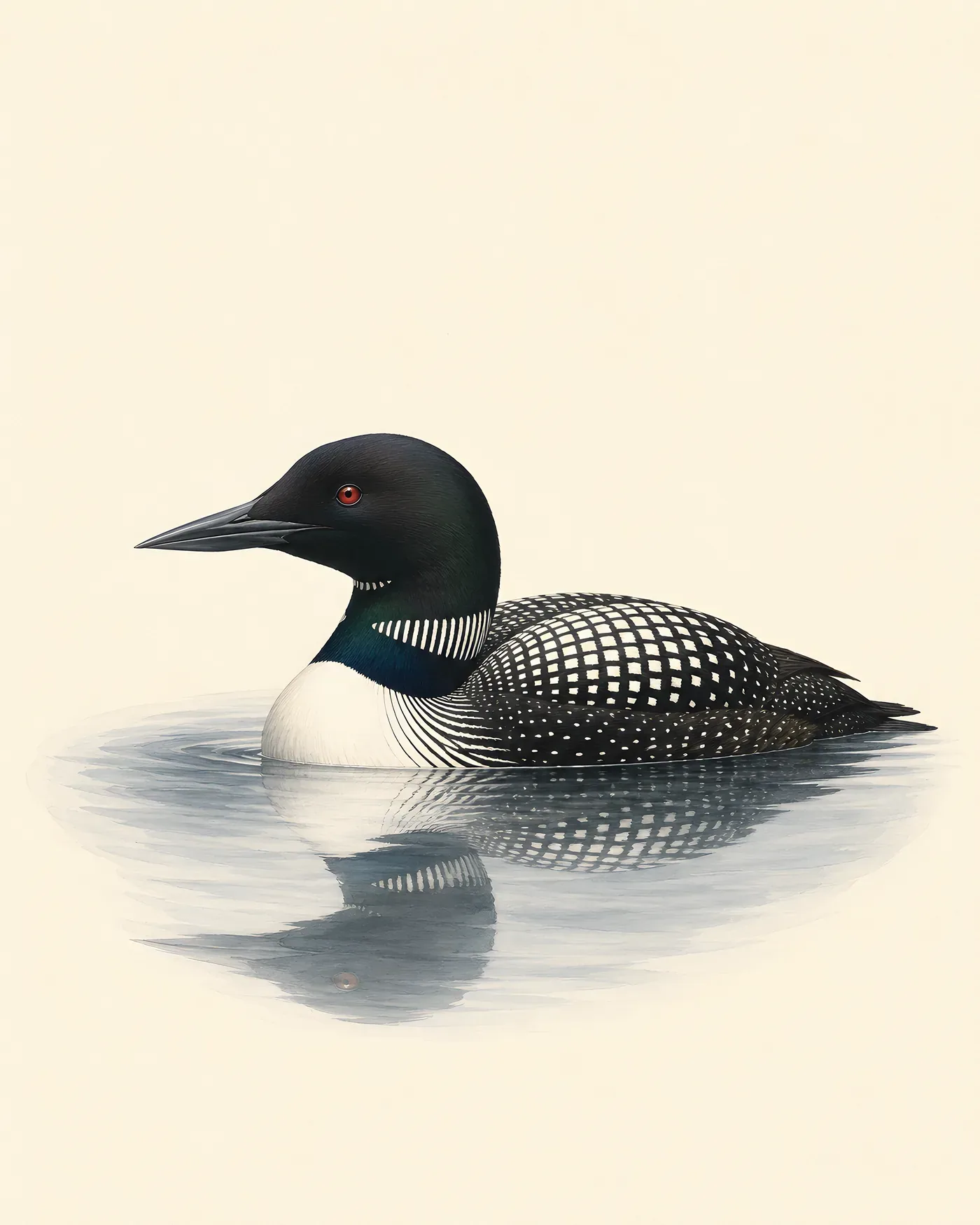
Common Loon breeds on a small number of high-elevation Appalachian lakes in summer and winters in large numbers on the Outer Banks sounds. North Carolina is one of the few states where a casual observer can see breeding loons at 1,400 metres in June and wintering loons at sea level in February.
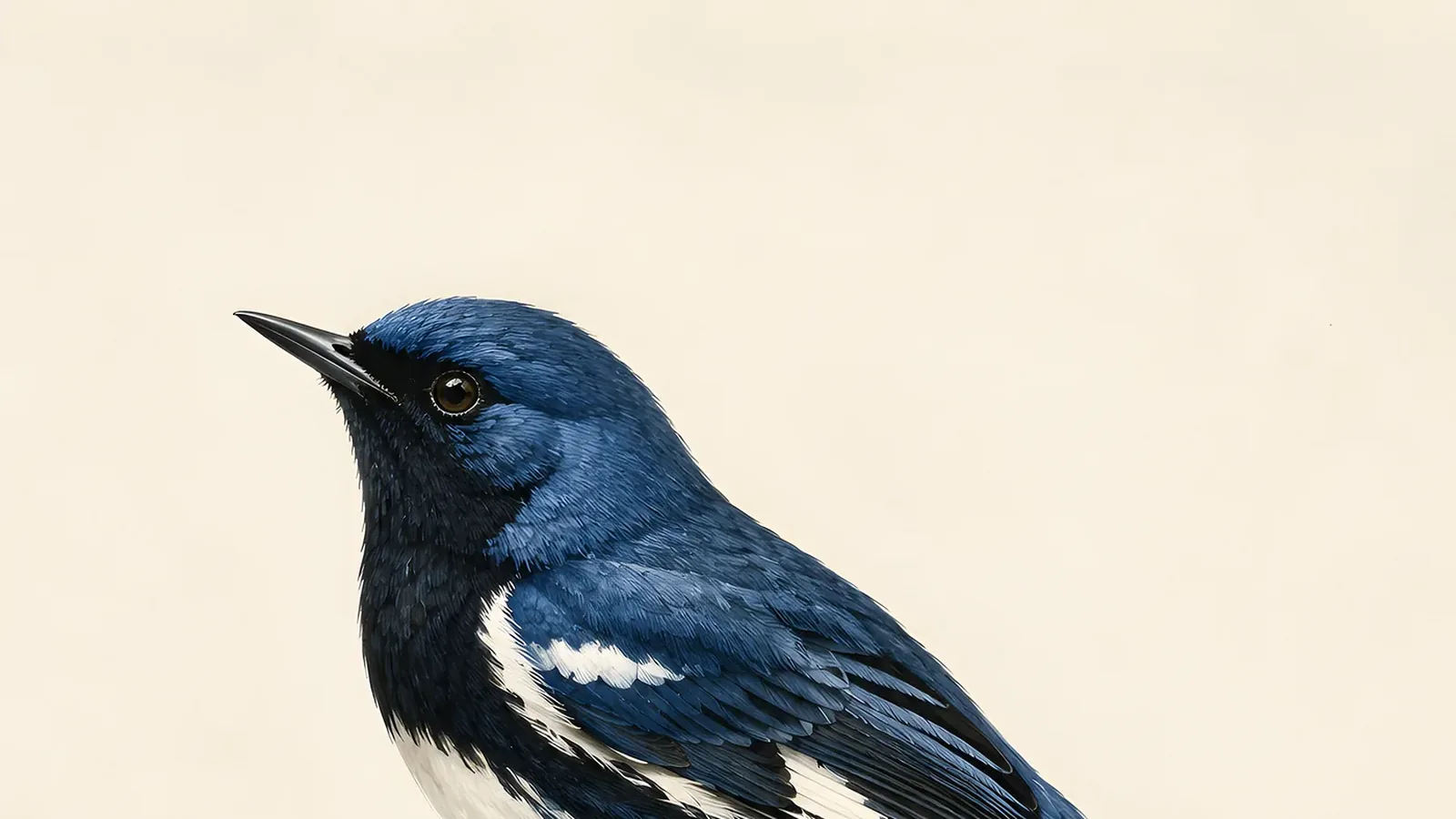
Black-throated Blue Warbler, Canada Warbler, Veery all breed at high elevation in the Blue Ridge and Great Smokies. North Carolina holds some of the southernmost breeding populations of these northern species.
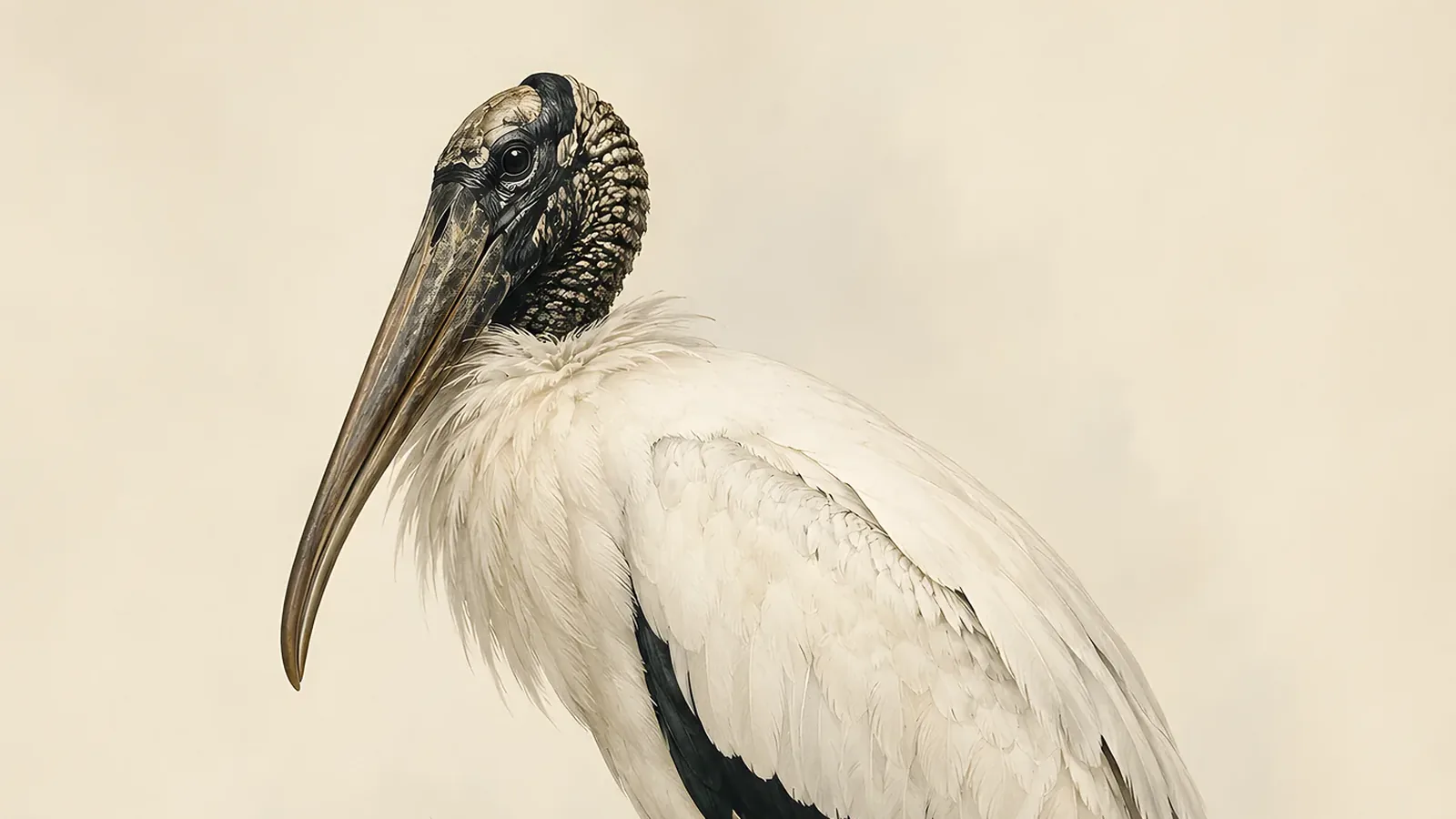
Wood Stork has expanded into eastern North Carolina from Florida in the last twenty years. The species now breeds in several coastal rookeries, the northern edge of its US range.
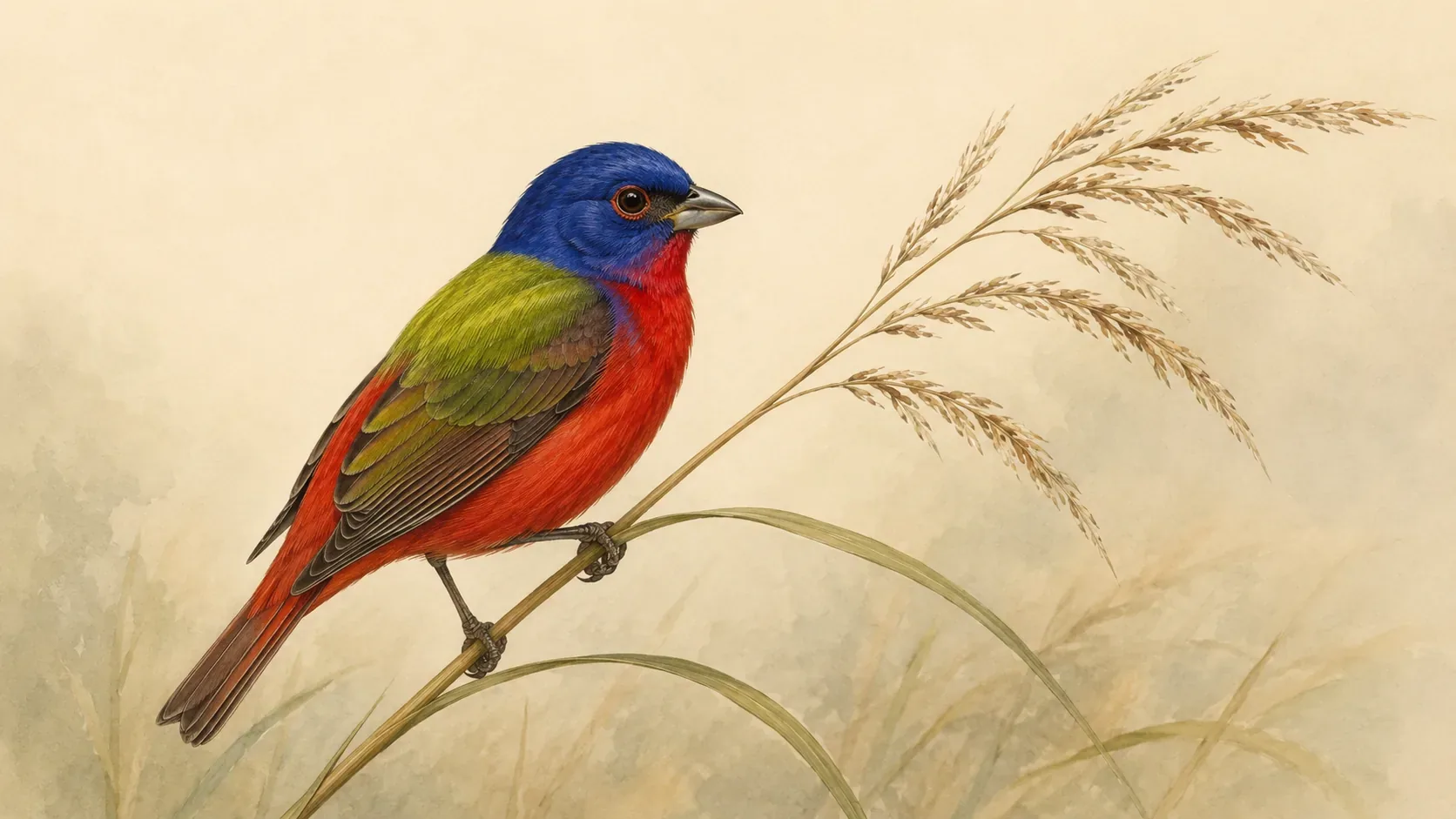
Painted Bunting breeds in maritime scrub of the southeastern coastal plain. Male: blue head, red underparts, green back. One of the most spectacular small birds in North America, and visible at feeders in southeastern coastal communities (Bald Head Island, Brunswick County) in May and June.
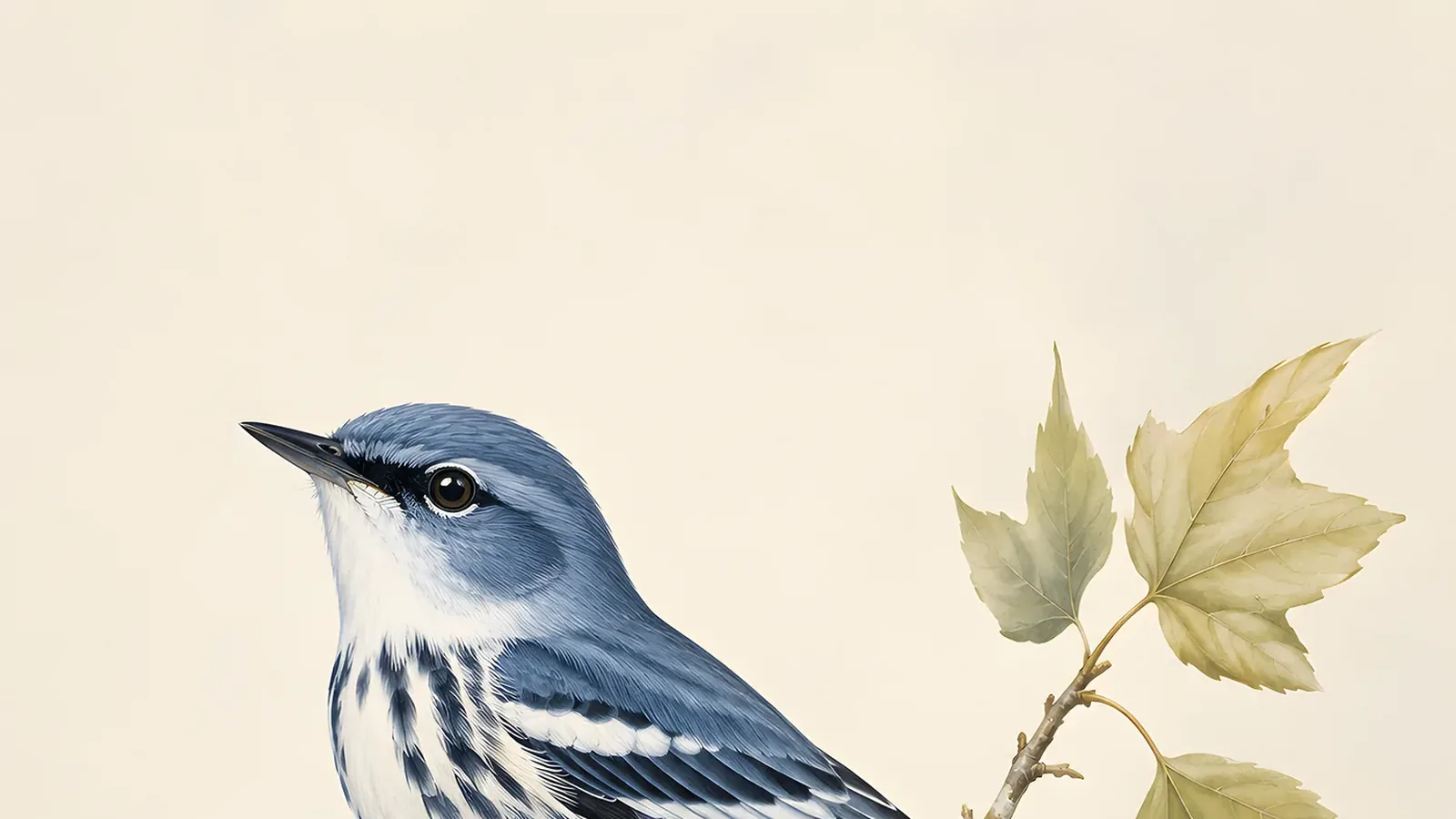
Cerulean Warbler breeds in the mature hardwood canopies of the southern Appalachians. The species is in steep decline range-wide. North Carolina’s old-growth forests in the Smokies and Pisgah hold critical breeding habitat.
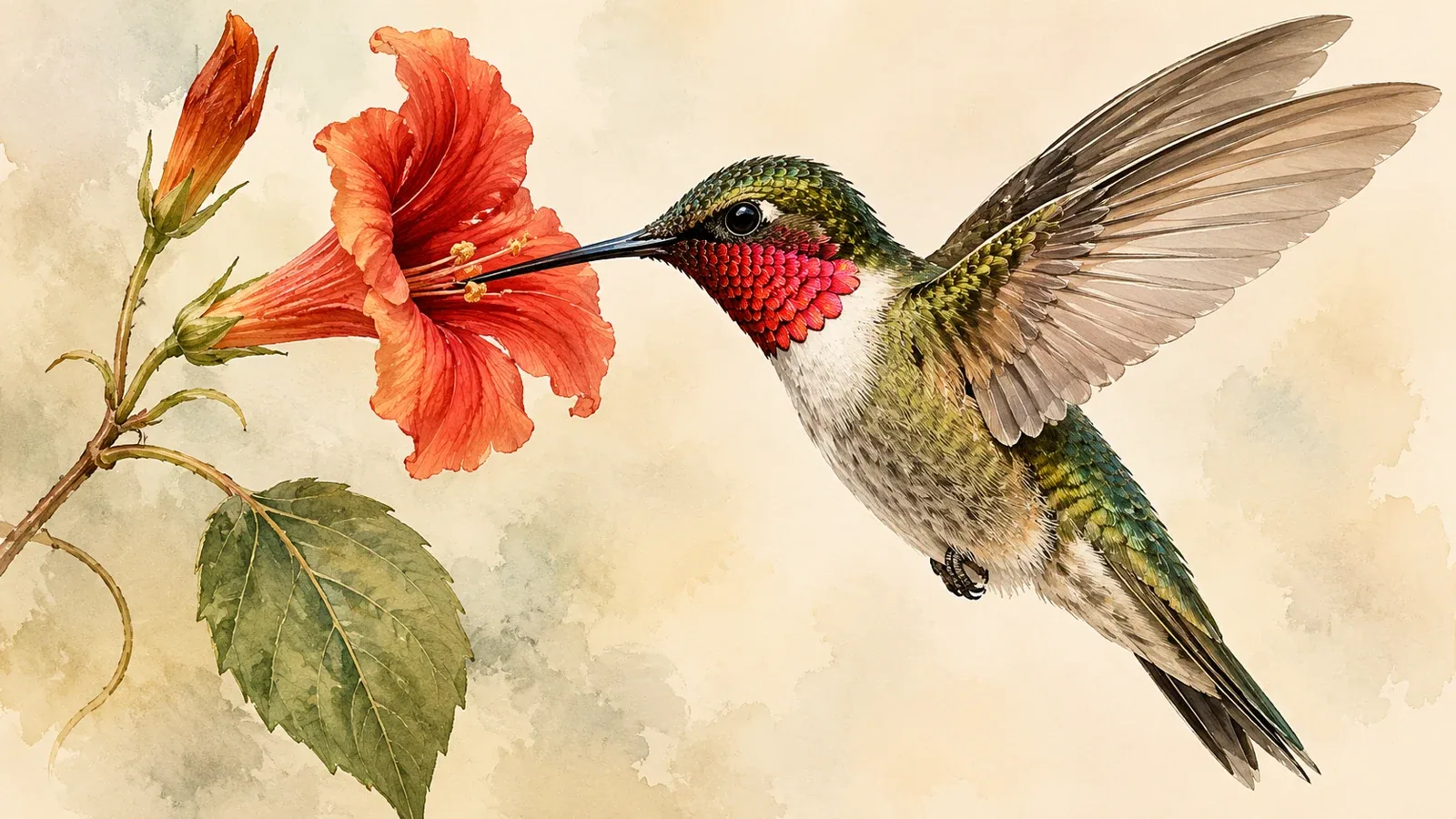
Ruby-throated Hummingbird is the only common breeding hummingbird east of the Plains. North Carolina is on the bird’s autumn migration corridor. The species crosses the Gulf of Mexico in a single non-stop flight after gathering on the Outer Banks in early autumn.
A typical North Carolina suburban garden:
| Season | What is happening |
|---|---|
| Spring (Mar-May) | Cardinal first broods early March; warbler migration in the Smokies in late April through May; Painted Buntings arrive on the coast in early May |
| Summer (Jun-Aug) | Breeding season statewide; high-elevation breeders active in the Smokies; cardinal molting begins late July |
| Autumn (Sep-Nov) | Massive raptor migration over the Blue Ridge; pelagic seabirds on the Outer Banks; Ruby-throated Hummingbirds staging on the coast |
| Winter (Dec-Feb) | Cardinal pair-bond maintenance; large concentrations of waterfowl on the sounds; loons wintering on Cape Hatteras |
A gift with roots
For anyone who calls North Carolina home - framed in black, white or natural, or unframed, and shipped worldwide.
Shop the collection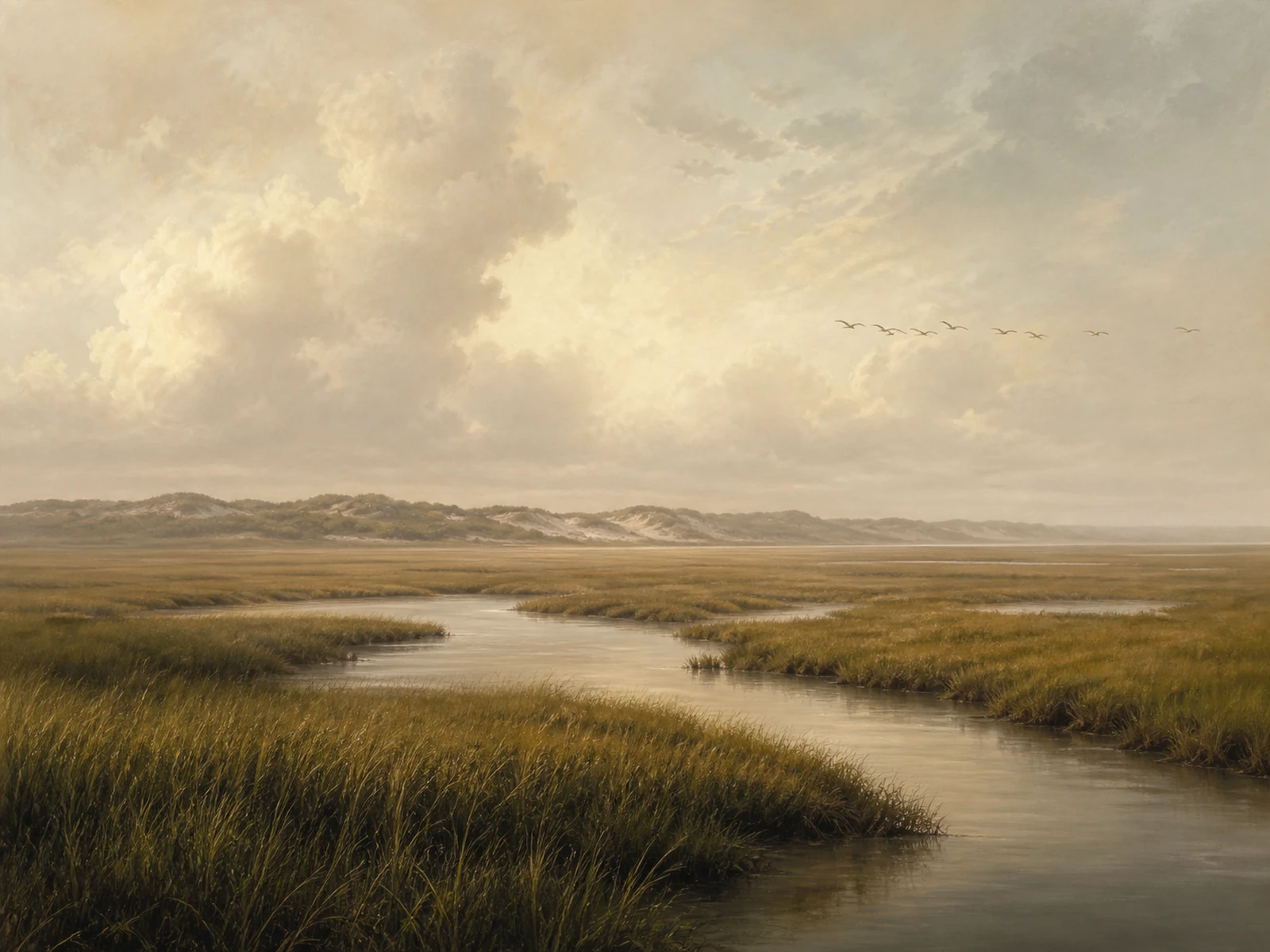
Habitats
North Carolina is the only US state whose bird list comfortably includes alpine breeders, Appalachian endemics, longleaf pine specialists and Caribbean strays.
As an Amazon Associate we earn from qualifying purchases. Linked products are ones we genuinely recommend.
Bird art made to bring nature and history into your home.
Secure checkoutPayment handled by Stripe.
Free US, Canada & EU shippingCarefully packed for delivery.
Made to orderPrinted for your order by Prodigi.