




State connection
The American Robin has been Connecticut's state bird since 1943 - the same year the General Assembly rejected the European Robin in its favour.
Free shipping to the US, Canada & Europe
Connecticut's state bird
The American Robin has been Connecticut's state bird since 1943 - the same year the General Assembly rejected the European Robin in its favour.
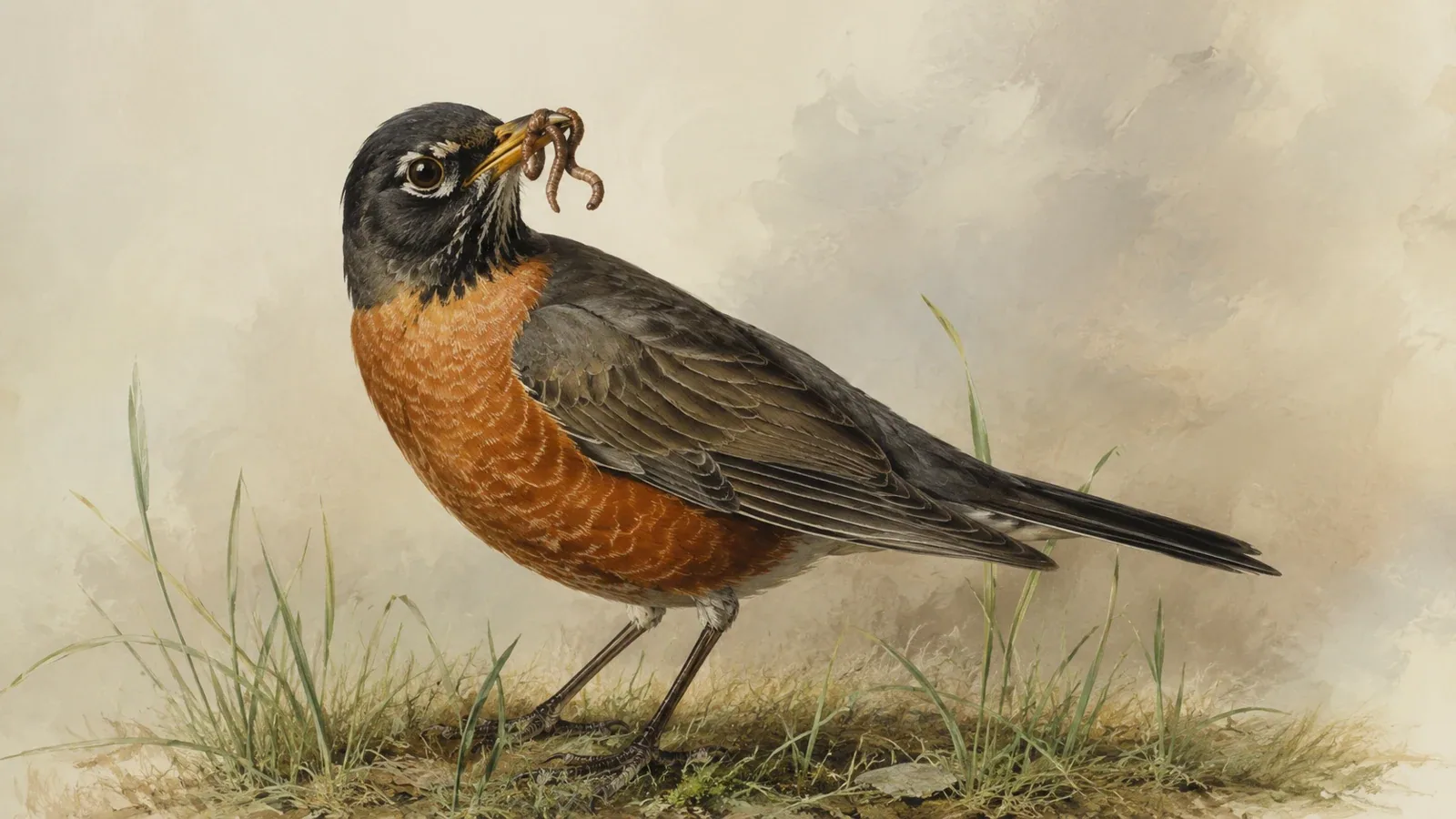
The American Robin has been Connecticut's state bird since 1943 - the same year the General Assembly rejected the European Robin in its favour.
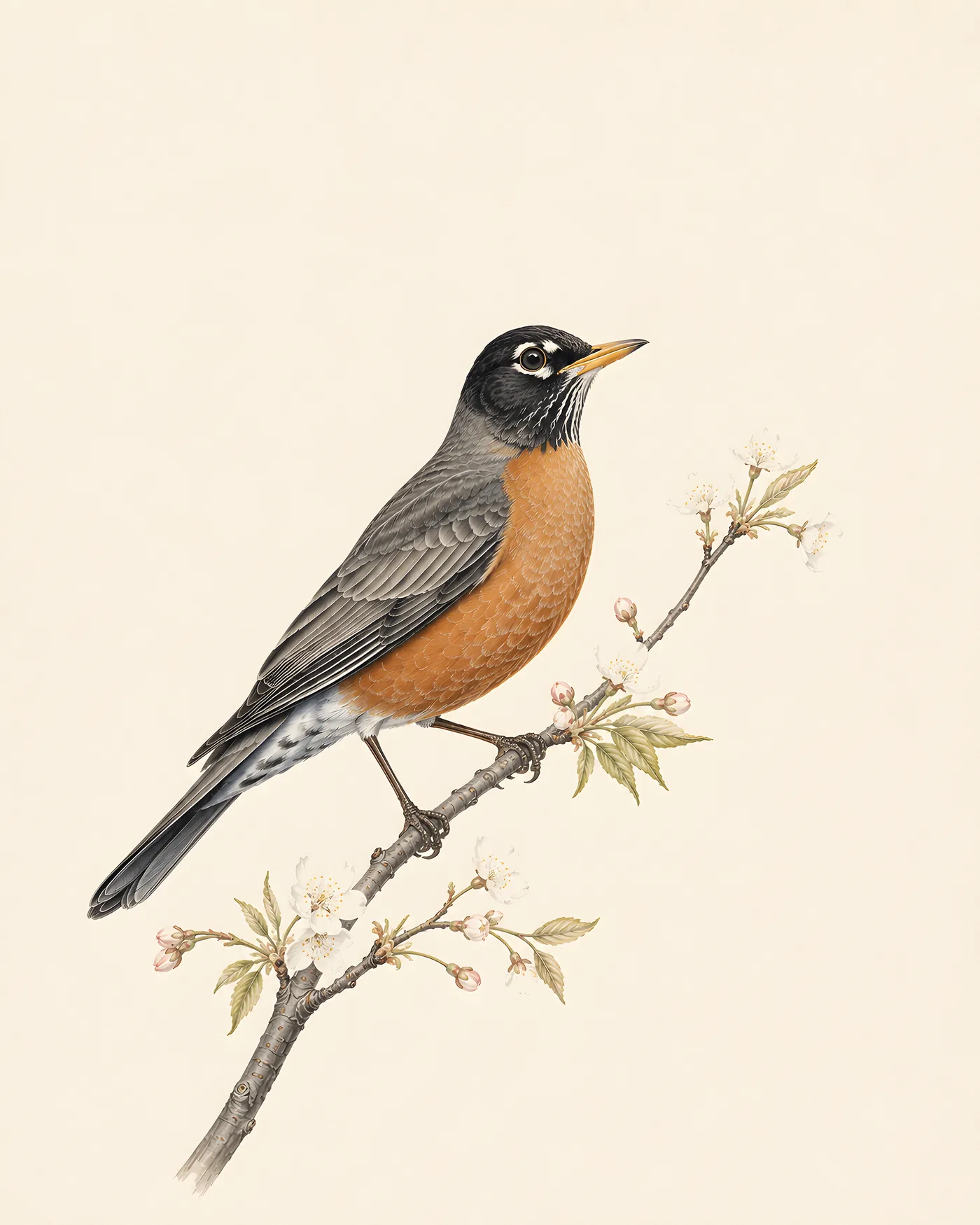 American Robin PrintBackyard & SongbirdsFrom $39Print · Framed · Digital
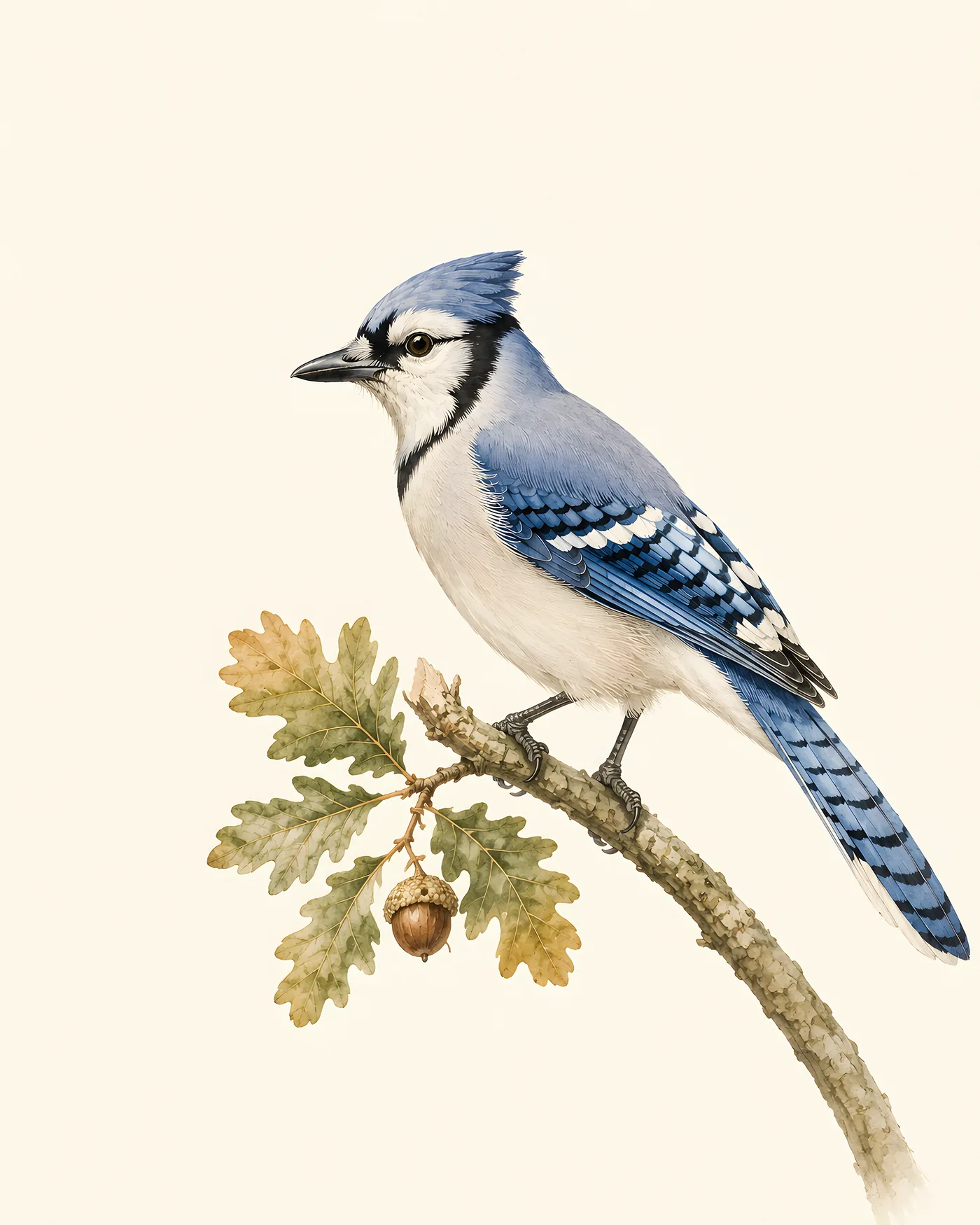 Blue Jay Print on OakJays, Crows & CorvidsFrom $39Print · Framed · Digital
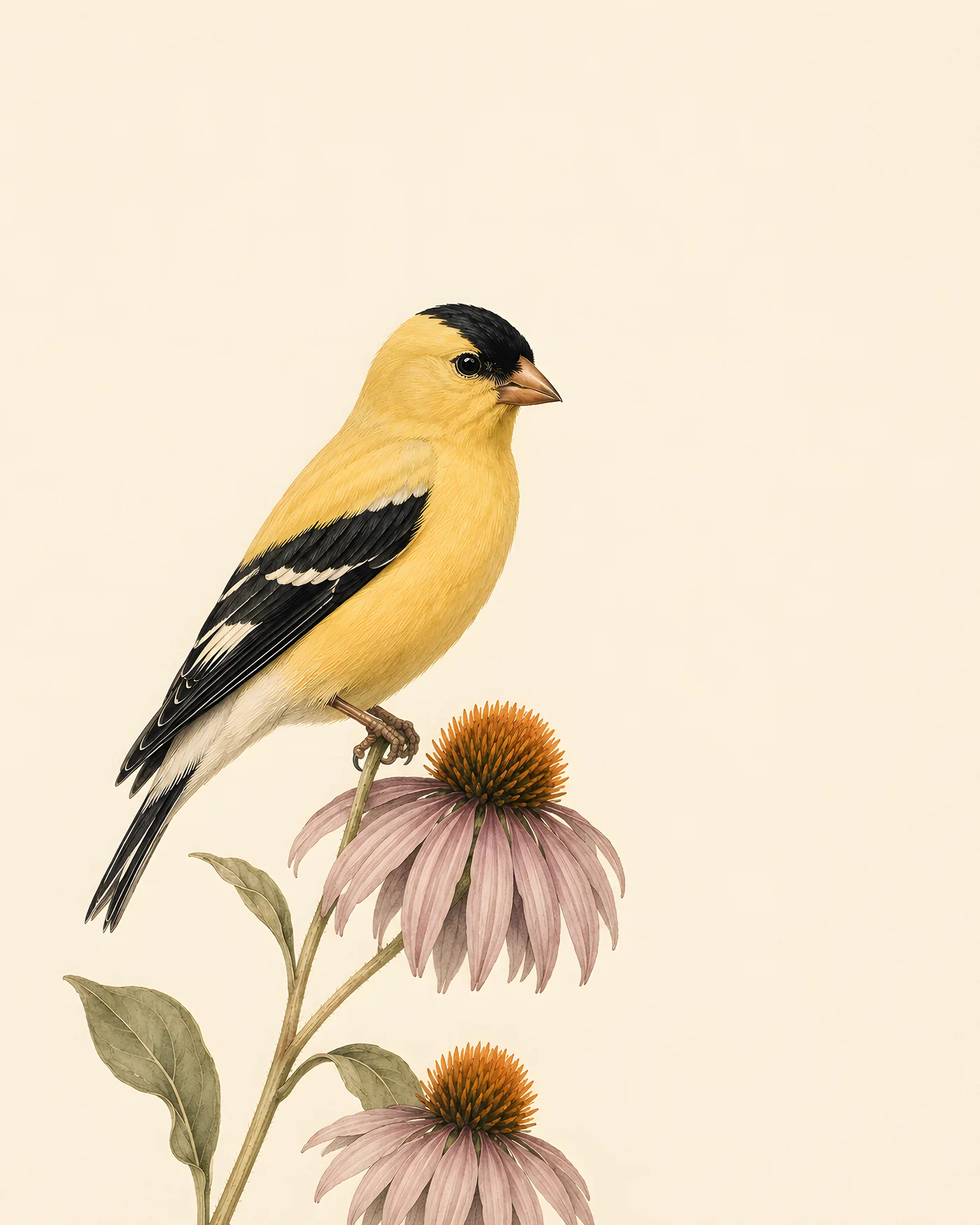 American Goldfinch PrintFinchesFrom $39Print · Framed · Digital
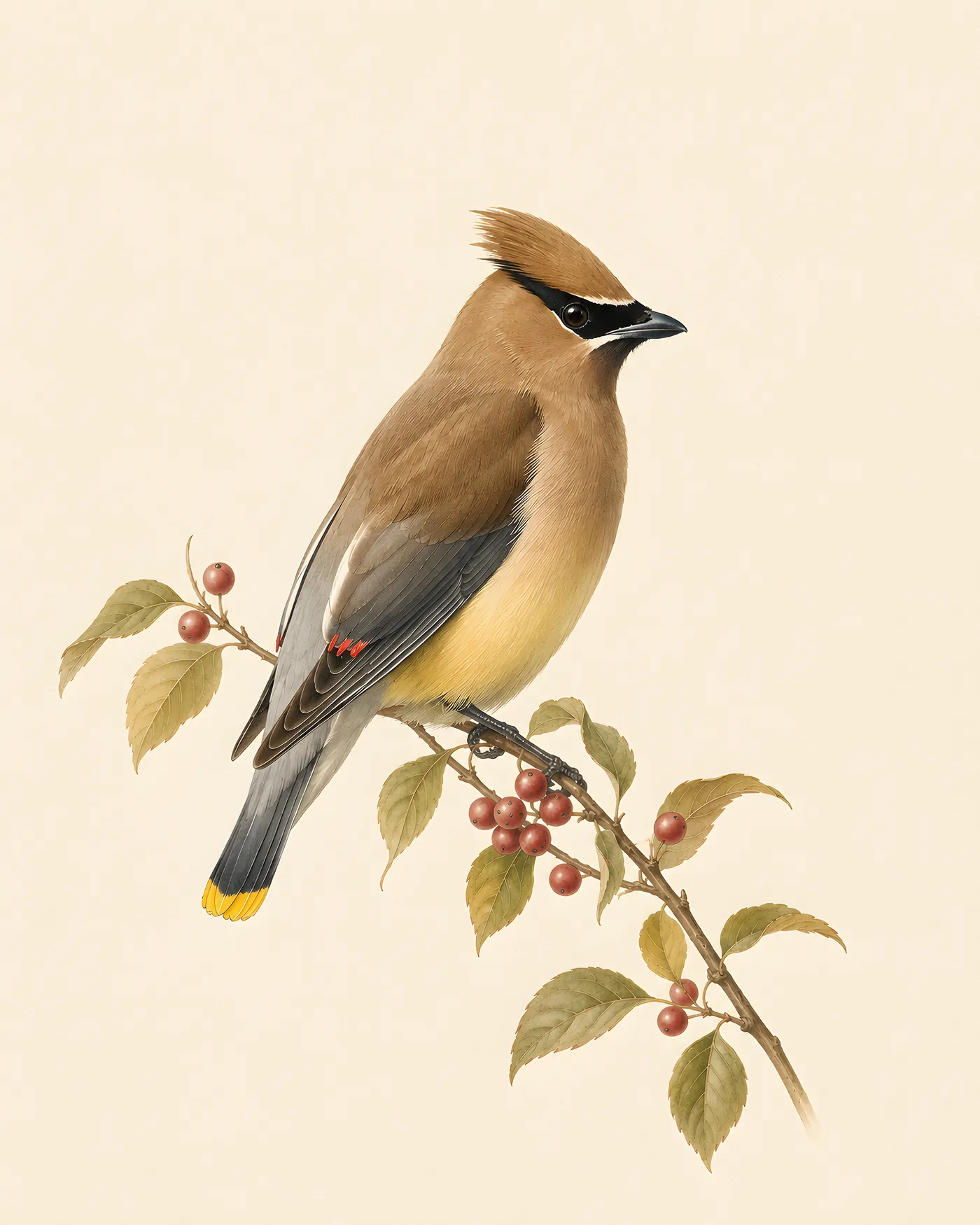 Cedar Waxwing Print - On Berry BranchBackyard & SongbirdsFrom $39Print · Framed · Digital
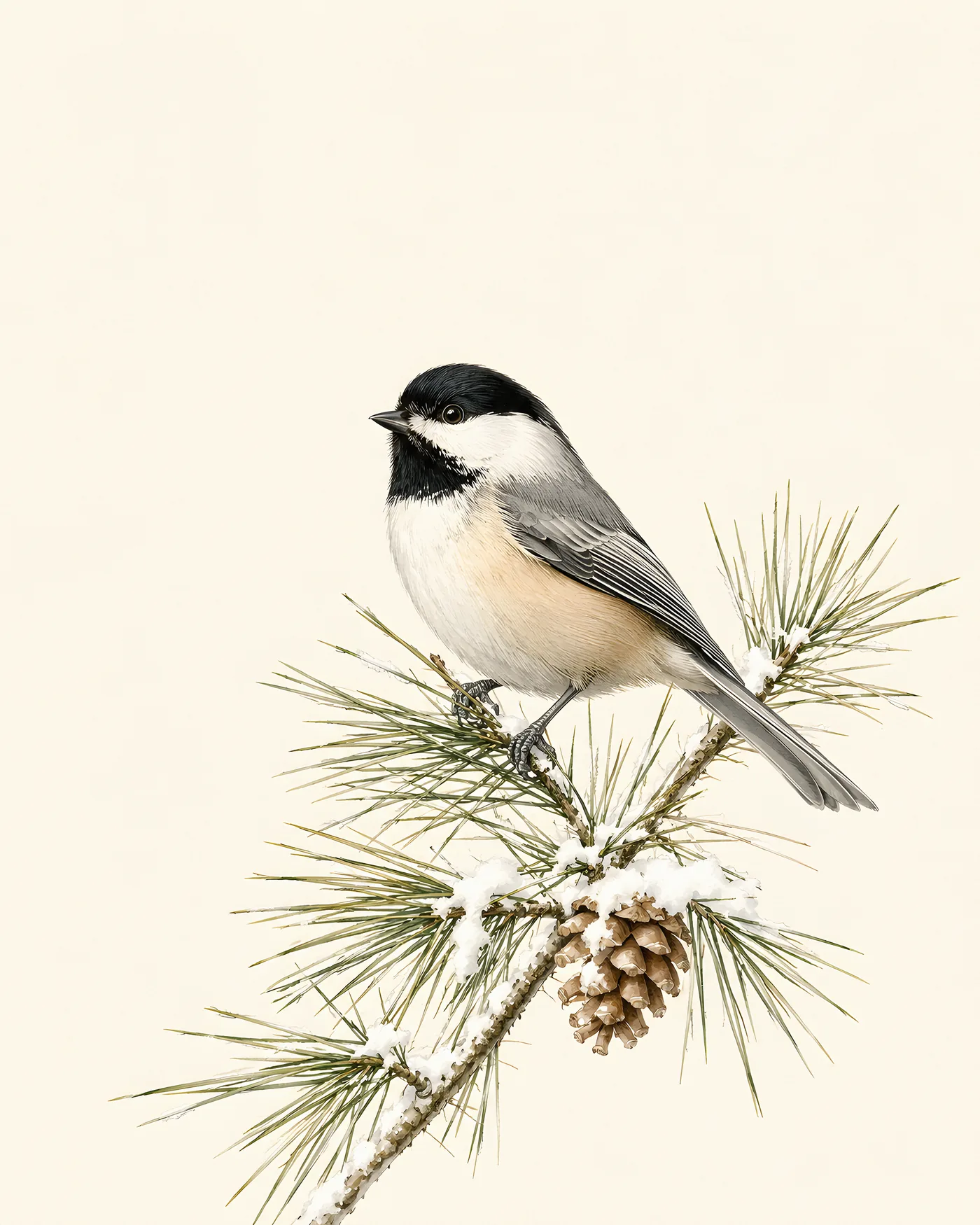 Black-capped Chickadee Print - On PineBackyard & SongbirdsFrom $39Print · Framed · Digital
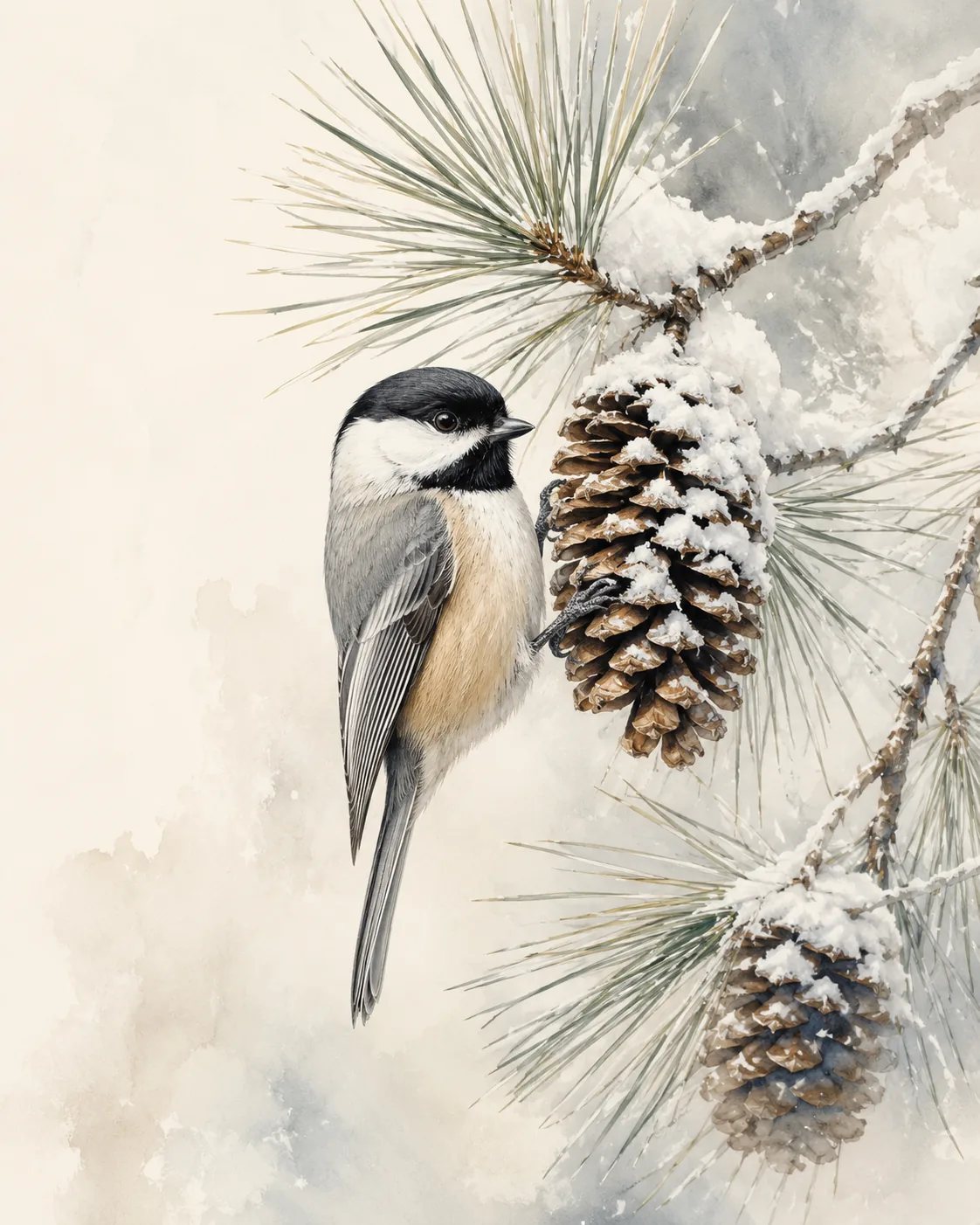 Black-capped Chickadee Print - In Winter Pine Snow SceneBackyard & SongbirdsFrom $39Print · Framed · Digital
Connecticut’s General Assembly chose the American Robin (Turdus migratorius) as state bird in 1943. The choice was not simple. A proposal to name the European Robin (Erithacus rubecula) - the bird that had given early English colonists their word for the orange-breasted thrush they found in the New World - had circulated two years earlier and been rejected. What the Assembly settled on was the impostor that had outlived its origin story: an unrelated thrush, larger, louder, and entirely its own bird, which happened to share a name with something back home.
The robin’s claim on Connecticut goes beyond sentiment. Many people think of it as a bird of warm months, but the official state government page notes that a significant number of robins spend winters in New England, roosting in swampy evergreen stands and feeding on winter berries. The state bird stays.
The Connecticut Ornithological Association’s Avian Records Committee accepts 452 species on the state list - a count that looks improbable for a state this small until you trace the coast.
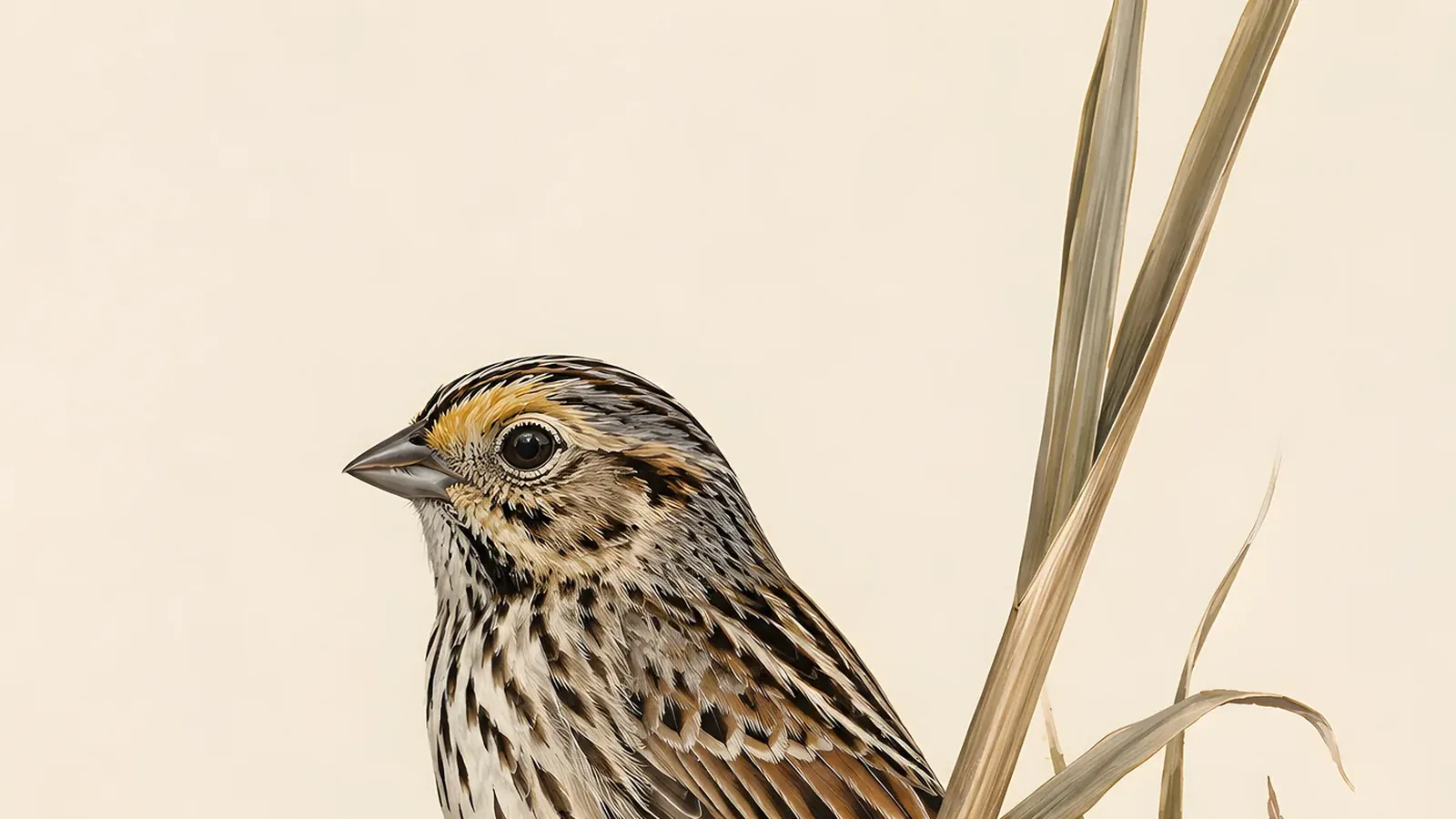
Saltmarsh Sparrow (Ammospiza caudacuta) is the species that makes Connecticut ornithologists most anxious and most attentive. Cornell Lab’s All About Birds notes a rangewide decline of roughly nine percent per year between 1998 and 2012, an overall loss near 75 percent of the global population in that window. The species nests low in Atlantic tidal marshes - cordgrass, saltgrass, needlerush - where the highest tides can flood active nests. Sea-level rise is eroding that habitat. Connecticut holds key breeding marsh along Long Island Sound, making the state a genuine stronghold for a bird in serious trouble. The oldest Saltmarsh Sparrow on record, a male aged at least nine years and two months, was recaptured at a Connecticut banding station in 2012.
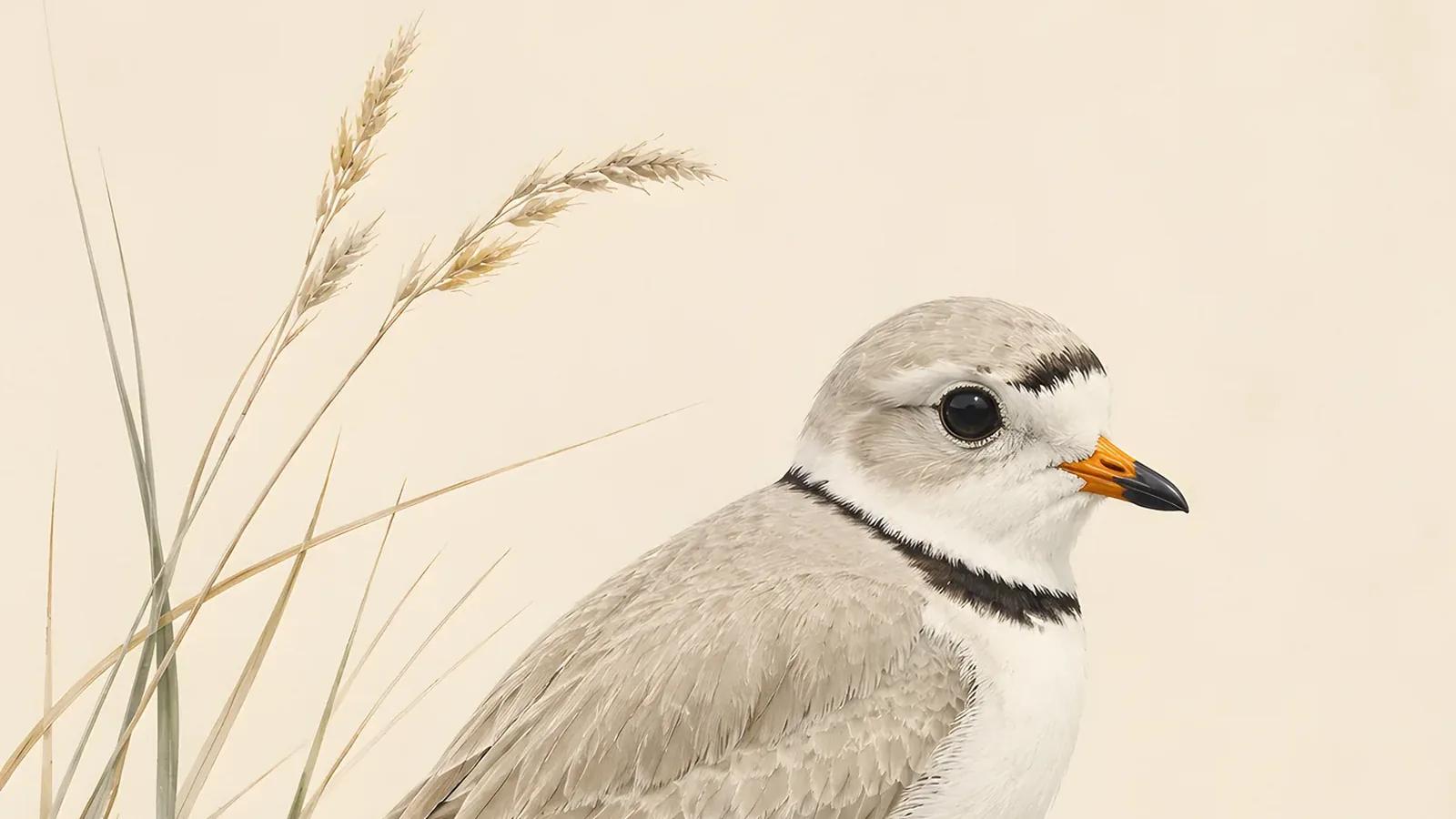
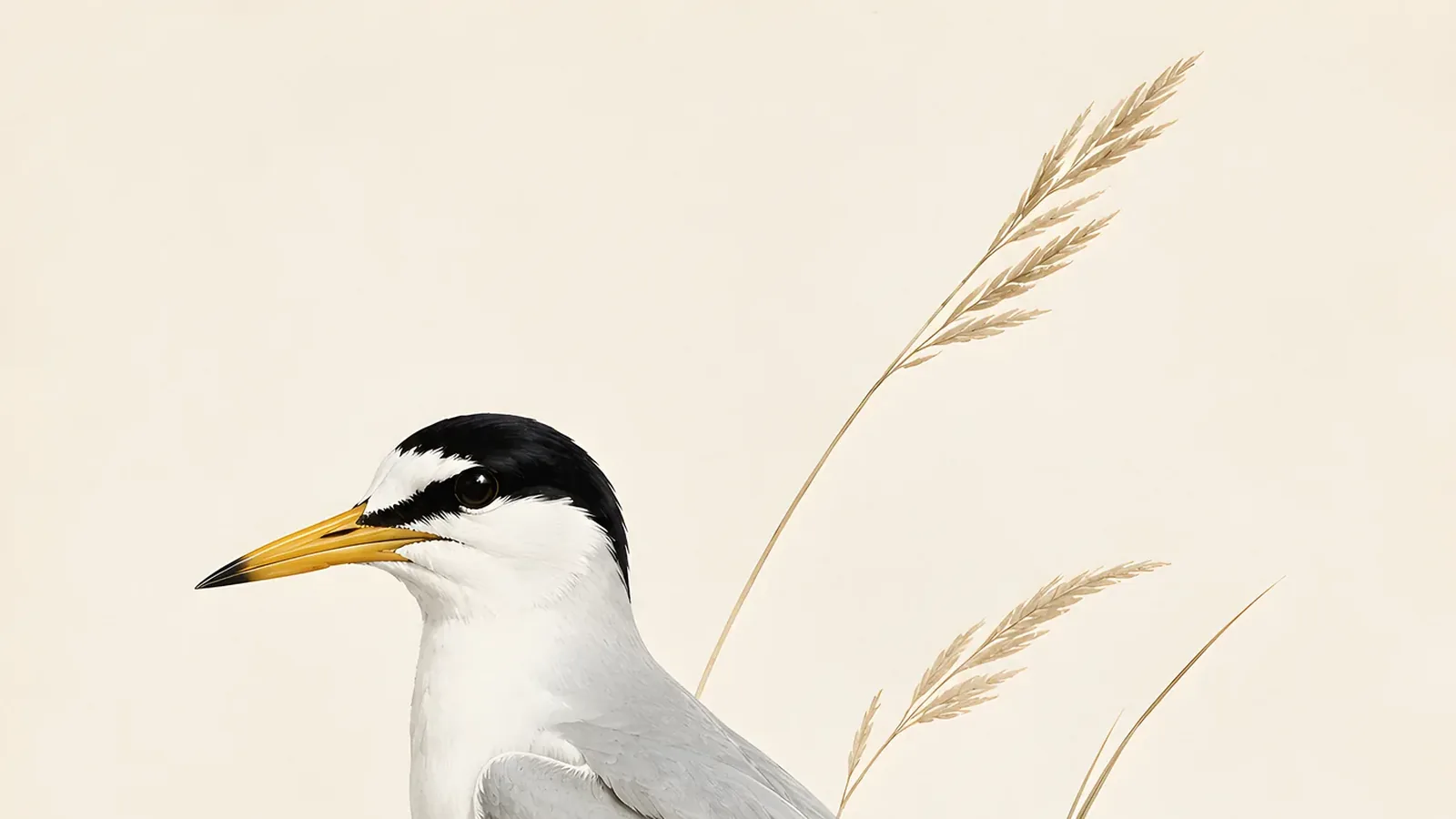
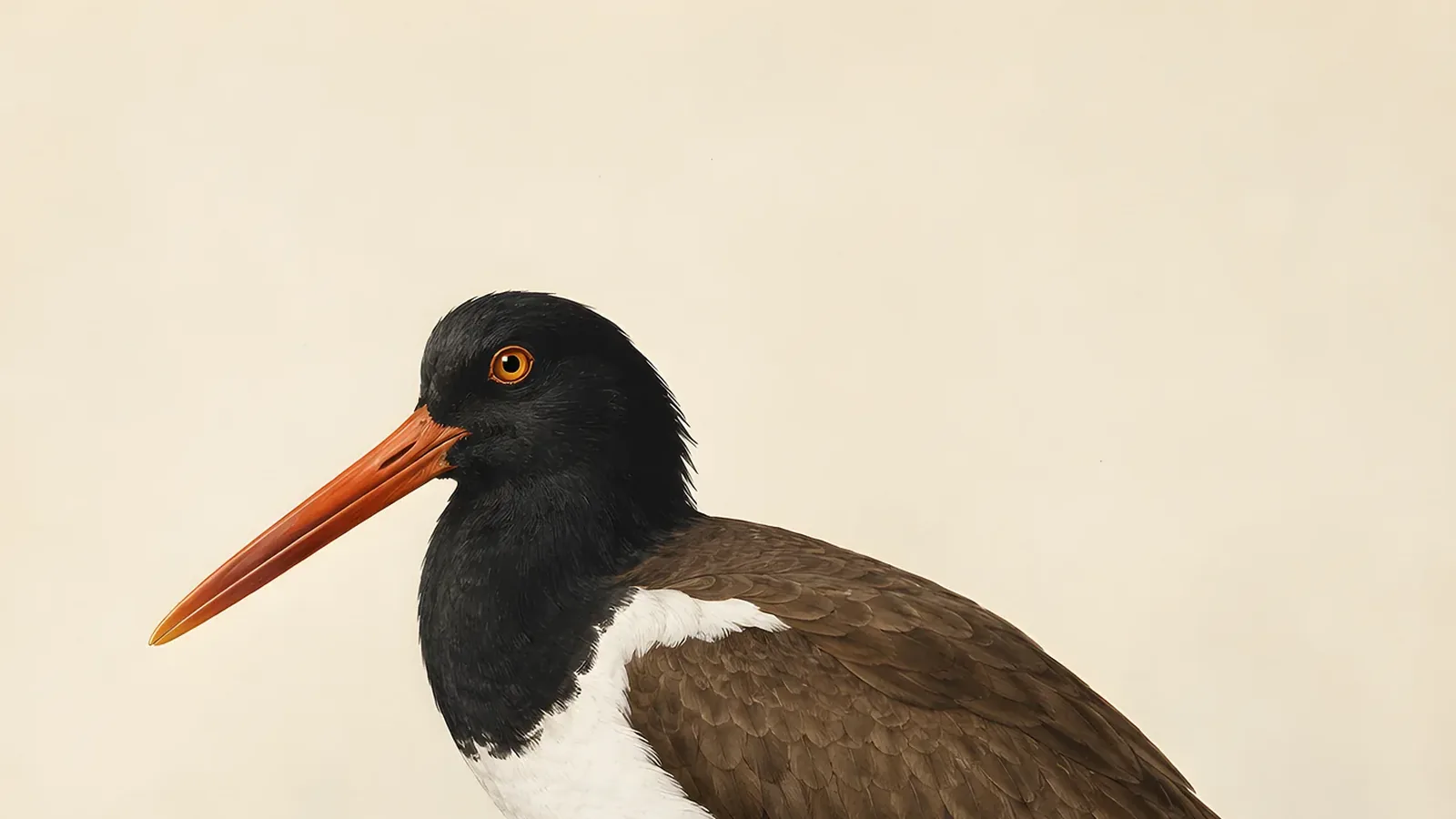
Piping Plover (Charadrius melodus) nests on Connecticut beaches at sites such as Milford Point, where it shares sandy habitat with Least Tern and American Oystercatcher. The plover is federally threatened on the Atlantic Coast. Beach visitors at Milford Point in spring and early summer may see the low-profile nest scrapes, almost invisible against the sand, and the adult’s broken-wing distraction display if a human comes too close.
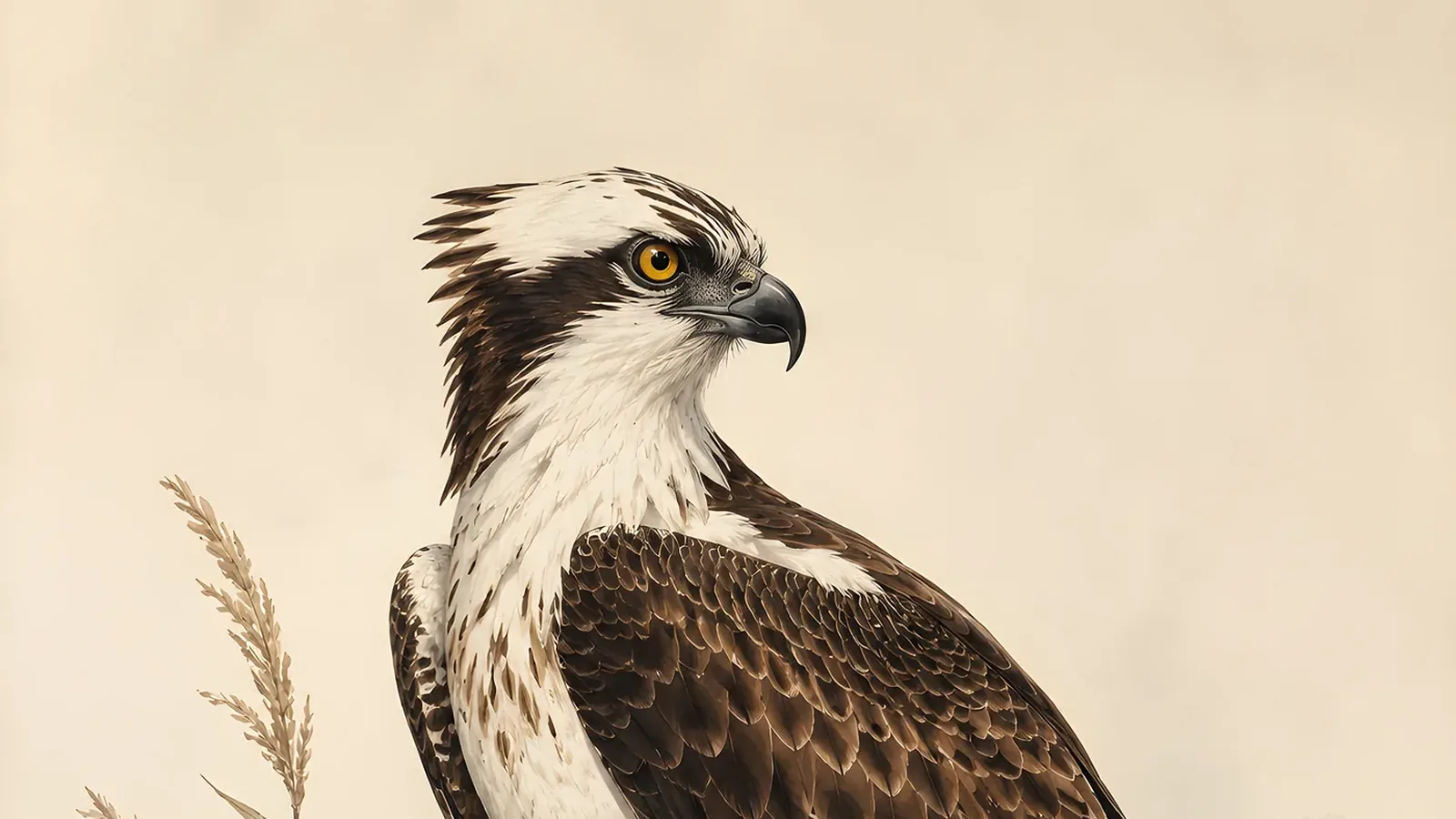
Osprey (Pandion haliaetus) has recovered strongly on the Connecticut coast since the DDT era. The Connecticut Audubon Society maintains an osprey nesting platform at the Coastal Center at Milford Point, with a live camera during the breeding season. From most coastal vantage points in May and June, a fishing osprey is simply expected.
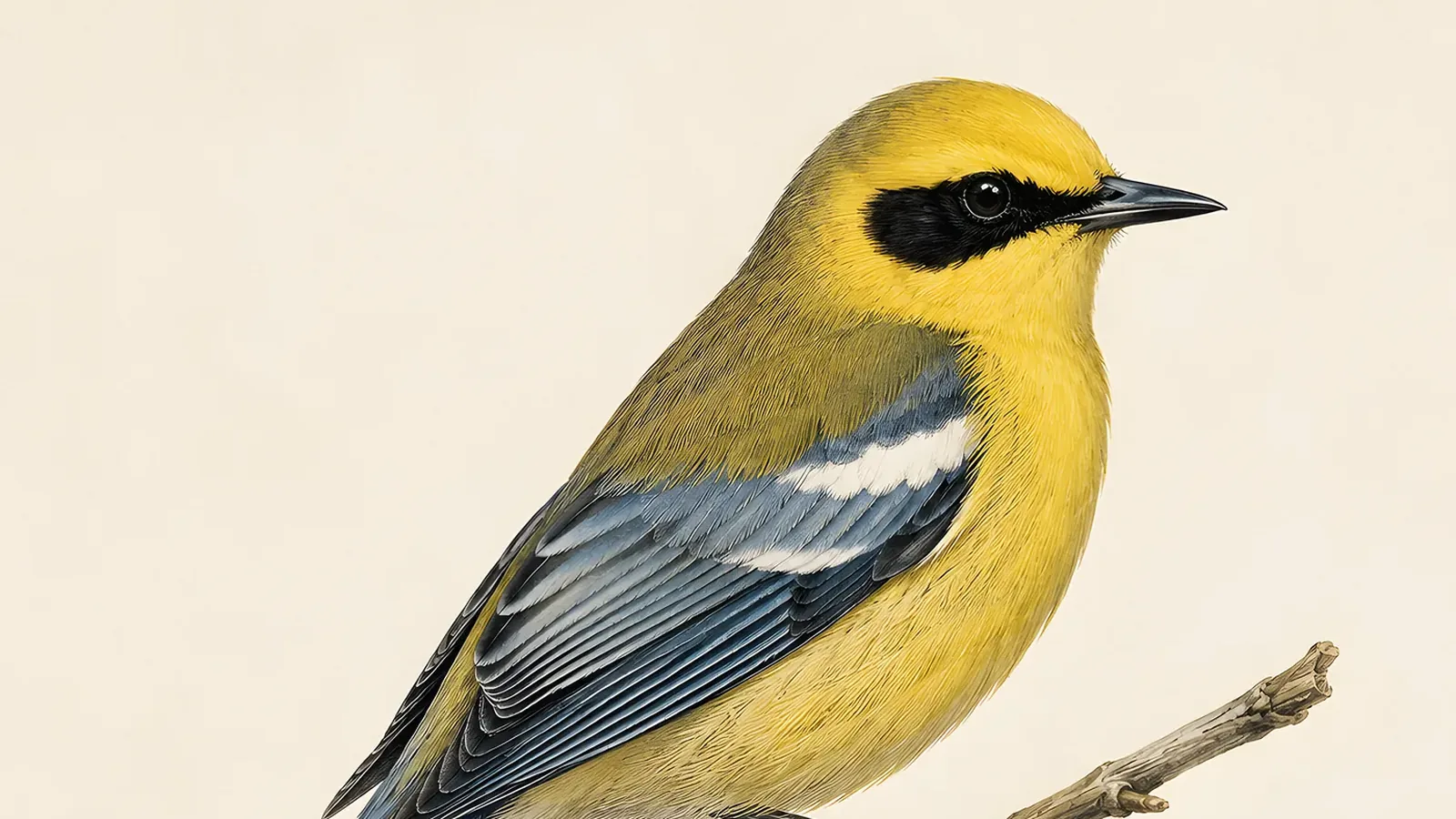
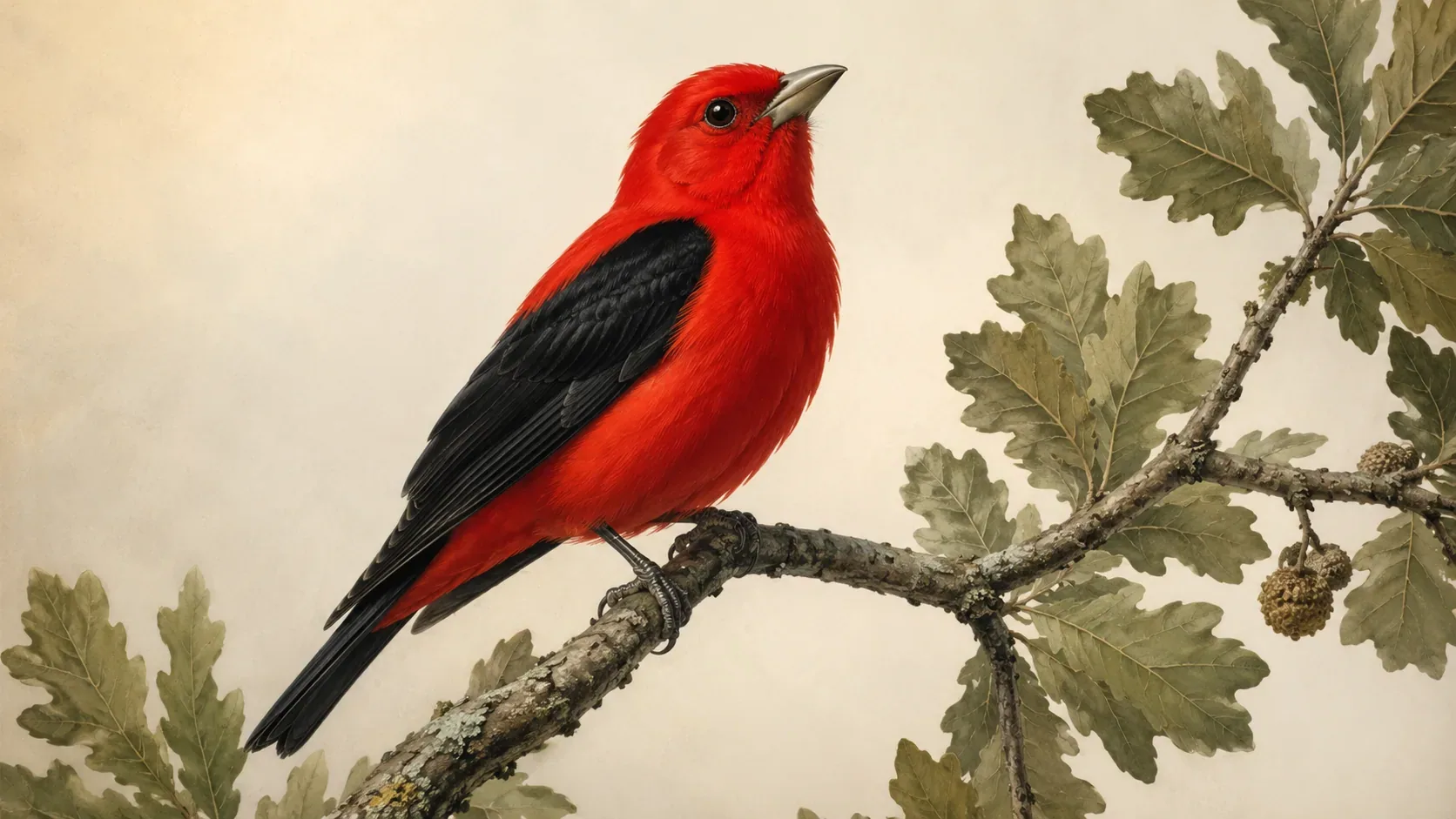
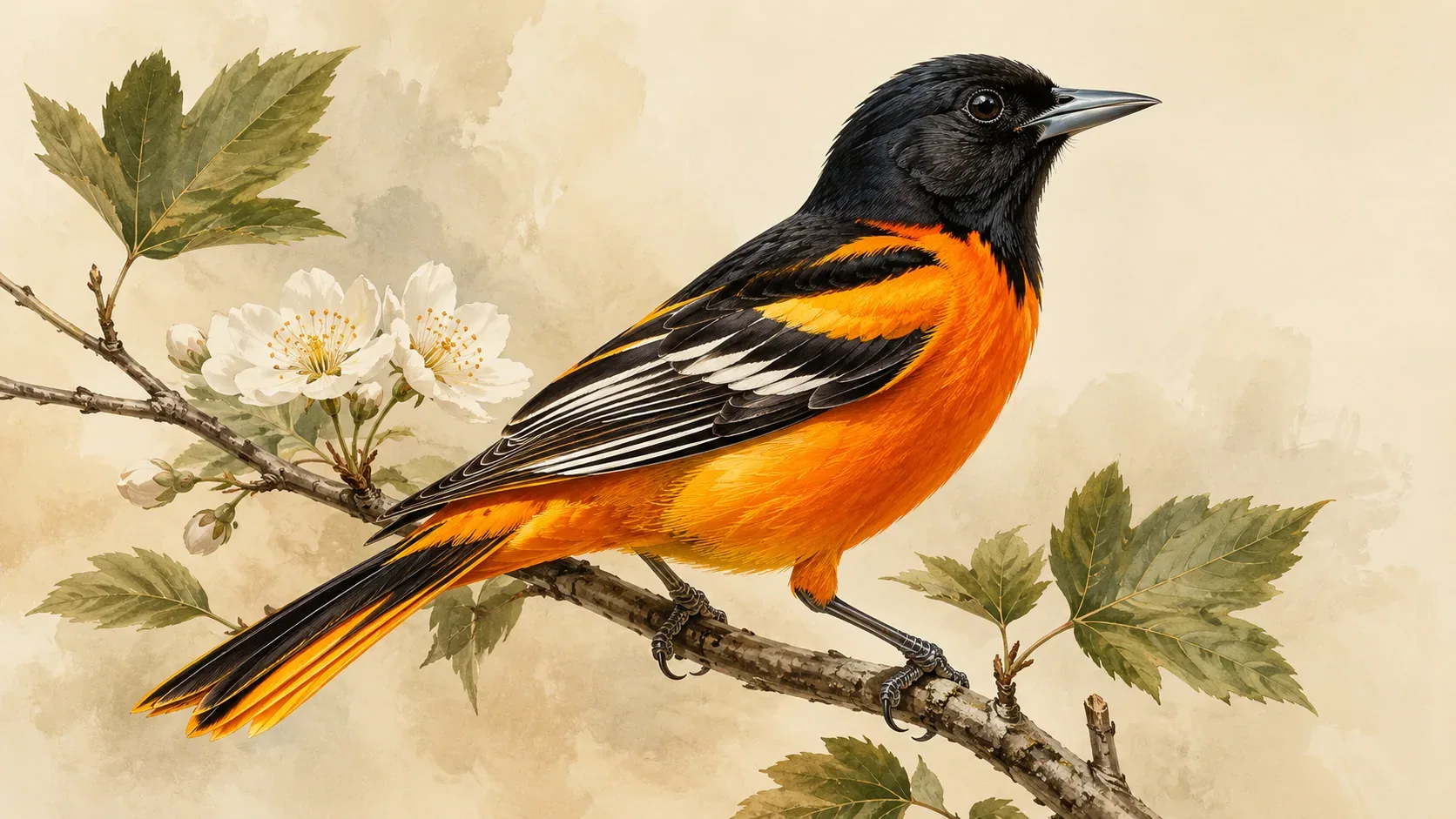
Blue-winged Warbler (Vermivora cyanoptera) breeds in shrubby edge habitat at inland sites such as the Audubon Center in Greenwich, where nesting species include Worm-eating Warbler, Louisiana Waterthrush, Scarlet Tanager, and Baltimore Oriole as well. The Audubon Center in Greenwich has documented over 220 species on its grounds.
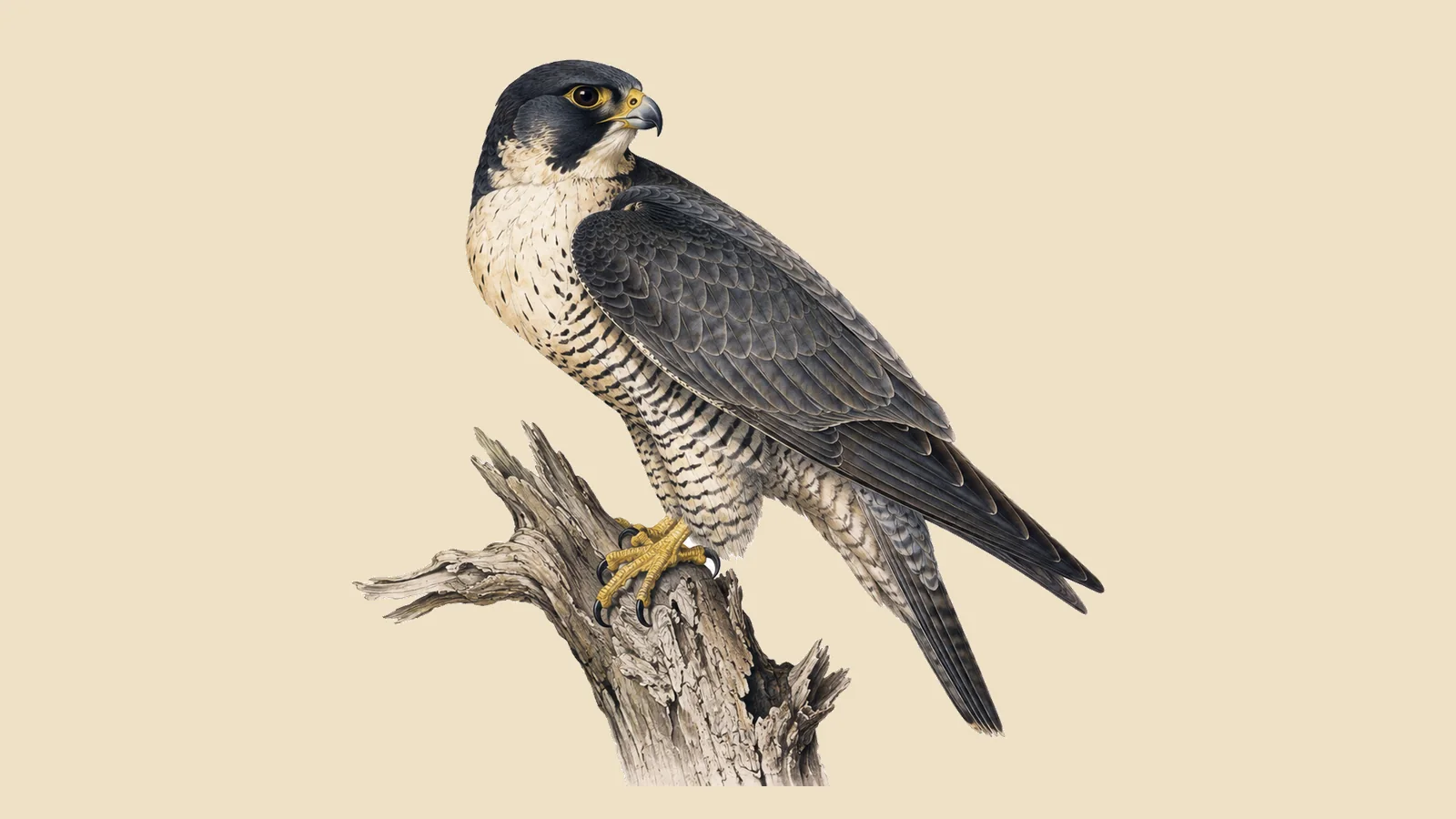
Peregrine Falcon (Falco peregrinus) has re-established breeding pairs in Connecticut, and both urban nest boxes and coastal cliff sites hold active eyries. Lighthouse Point Park in New Haven logs Peregrine during the fall hawk watch alongside Sharp-shinned Hawk, Cooper’s Hawk, Broad-winged Hawk, Northern Harrier, and Bald Eagle.
A Connecticut suburban garden through the year:
Hammonasset Beach State Park - Madison, on Long Island Sound - records more species than any other site in Connecticut. Meigs Point at the park’s eastern end provides open water views where 250 species have been logged, from scoters and Long-tailed Duck in winter to shorebirds on the flats in August. Hammonasset is as good in winter for sea ducks as it is in May for warblers moving along the coast.
Lighthouse Point Park in New Haven is one of the oldest hawk watch sites in the United States. The New Haven Bird Club staffs a daily count from September into December. On good northwest-wind days after a cold front, the ridge funnels hundreds of raptors over the observation platform - Turkey Vulture, Osprey, accipiters, falcons, buteos, and occasional rarities. Fall songbird migration runs in parallel, with large Tree Swallow flocks and mixed warbler parties moving through the wooded sections of the park.
Milford Point Coastal Center - operated by the Connecticut Audubon Society - sits where the Housatonic River meets Long Island Sound. Over 300 species have been recorded here. The Charles E. Wheeler Salt Marsh behind the point holds Great Egret, Snowy Egret, and Black-crowned Night-Heron, with Saltmarsh Sparrow in the cordgrass and breeding Piping Plover on the sandbar spit. Shorebird diversity in July and August can be exceptional.
White Memorial Conservation Center near Litchfield covers 4,000 acres of forest, wetland, and the shore of Bantam Lake. The site has documented over 240 species. Spring warbler migration through the forest canopy is reliable; winter brings waterfowl to the lake - all three merganser species have been recorded - and the forest holds breeding woodland birds through summer.
Spring migration along Long Island Sound builds through April and peaks in the first two weeks of May, when warblers, vireos, and tanagers move through the coastal scrub and forest edges. Summer is breeding season - the coast for shorebirds and wading birds, the interior forests for warblers and woodpeckers. August marks the beginning of southbound shorebird movement through coastal marshes. The fall hawk watch at Lighthouse Point runs September through November, with Broad-winged Hawk peaking in mid-September and Red-tailed Hawk peaking in November. Winter concentrates waterfowl on Long Island Sound and brings Dark-eyed Juncos to every feeder in the state.
Connecticut has been birded seriously since the nineteenth century. The Yale Peabody Museum in New Haven holds one of the oldest ornithological collections in North America. The Connecticut Ornithological Association and its member clubs maintain the state list, run banding stations, and staff the hawk watches. The work is ongoing. Ninety-five percent of the state’s Saltmarsh Sparrow breeding habitat lies within 30 centimetres of the high-tide line. What happens to that habitat over the next 30 years will determine whether the state’s most pressing bird story ends well.
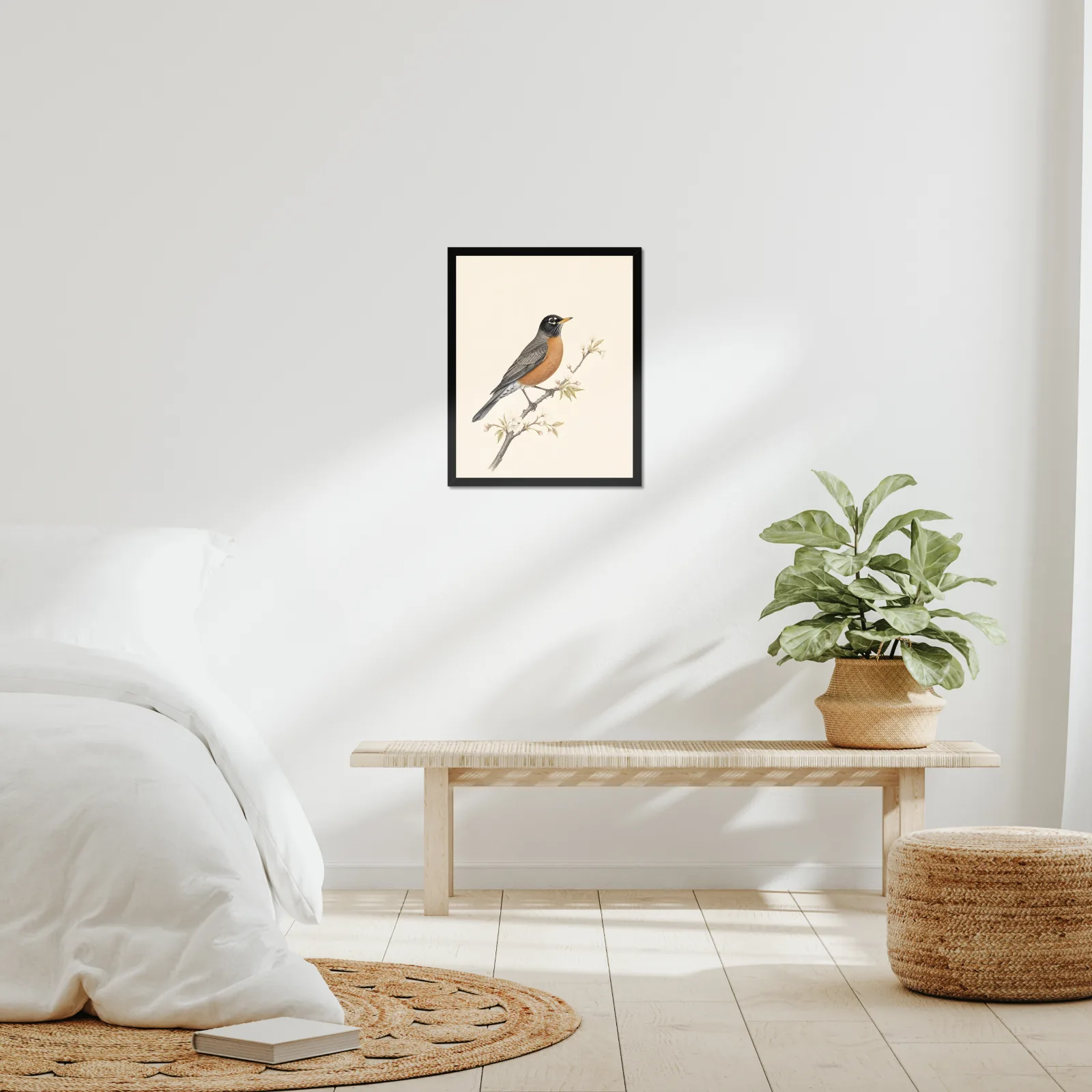
A gift with roots
For anyone who calls Connecticut home - framed in black, white or natural, or unframed, and shipped worldwide.
Shop the collection
Habitats
Spring migration peaks in May along Long Island Sound; fall hawk flights build through September and October at Lighthouse Point.
As an Amazon Associate we earn from qualifying purchases. Linked products are ones we genuinely recommend.
Bird art made to bring nature and history into your home.
Secure checkoutPayment handled by Stripe.
Free US, Canada & EU shippingCarefully packed for delivery.
Made to orderPrinted for your order by Prodigi.